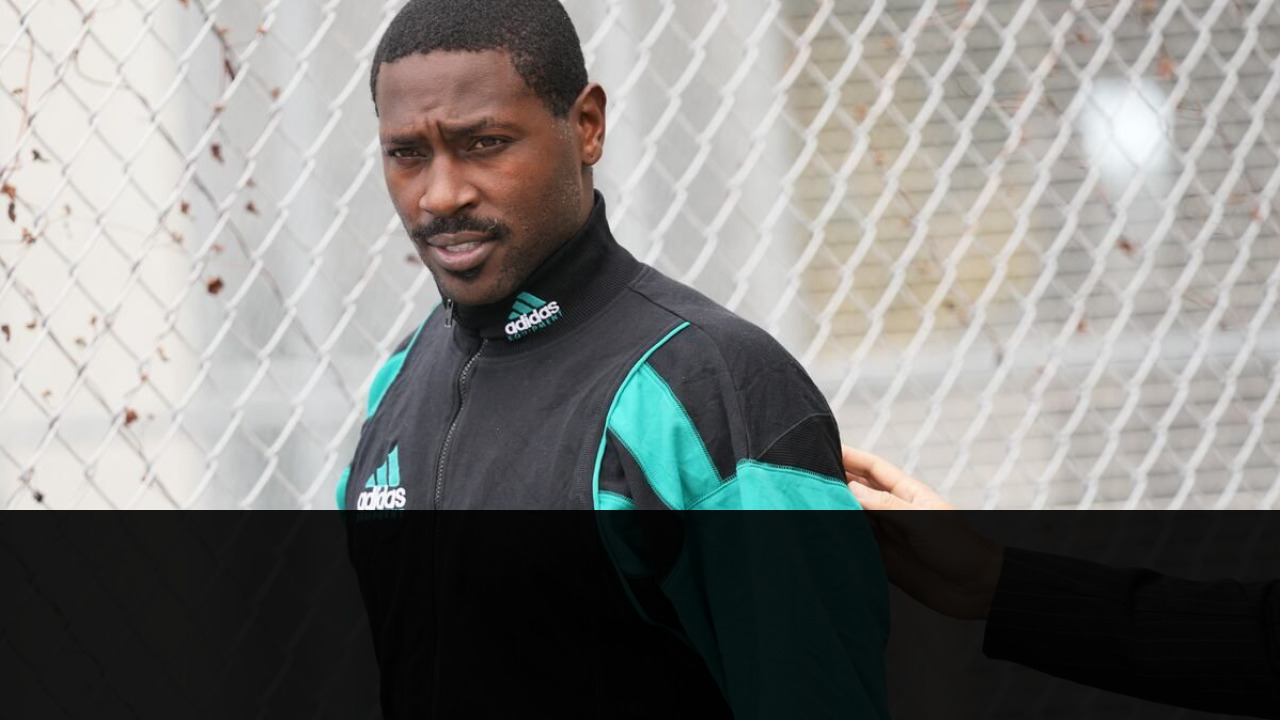
Former National Football League wide receiver Antonio Brown is set to finalize a legal agreement that resolves a high-profile second-degree attempted murder case in a Miami courtroom.
- The Plea Agreement Details and Court Schedule
- Terms of the Resolved Case
- Upcoming Miami Court Hearing
- The May 2025 Incident in Little Haiti
- Altercation Outside the Boxing Match
- The Shooting and Subsequent Flight
- International Arrest and Extradition
- Flight and Overseas Capture
- Return to Florida
- Legal Strategy and Stand Your Ground Defense
- Pursuing Dismissal Under Florida Law
- Weighing Trial Risks
- Why Antonio Brown Accepted the Agreement
- Eliminating Decades Behind Bars
- Physical and Mental Exhaustion
- Victim Non-Cooperation and Religious Forgiveness
- Shift in Prosecution Dynamics
- Impact of Witness Participation
- Antonio Brown Career Retrospective
- On-Field Achievements
- Statistical Legacy
- Case Timeline and Summary Table
- Frequently Asked Questions
- What specific charges did Antonio Brown face initially?
- How did the plea agreement alter his sentence?
- Why did the victim decide not to cooperate?
- Where did the original shooting incident take place?
The upcoming hearing on September 30, 2026, marks the end of a multi-year legal saga stemming from a May 2025 shooting incident in Florida.
This article examines the terms of the plea agreement, the specifics of the original charges, the defense strategy, and the factors that influenced the final legal outcome.
The Plea Agreement Details and Court Schedule
Terms of the Resolved Case
Prosecutors extended an agreement that reduces the original second-degree felony charge down to aggravated assault. This negotiation avoids trial entirely and provides a clear resolution for all involved parties.
The negotiated resolution bypasses prison time entirely, removing house arrest and financial penalties in exchange for straight probation.
Upcoming Miami Court Hearing
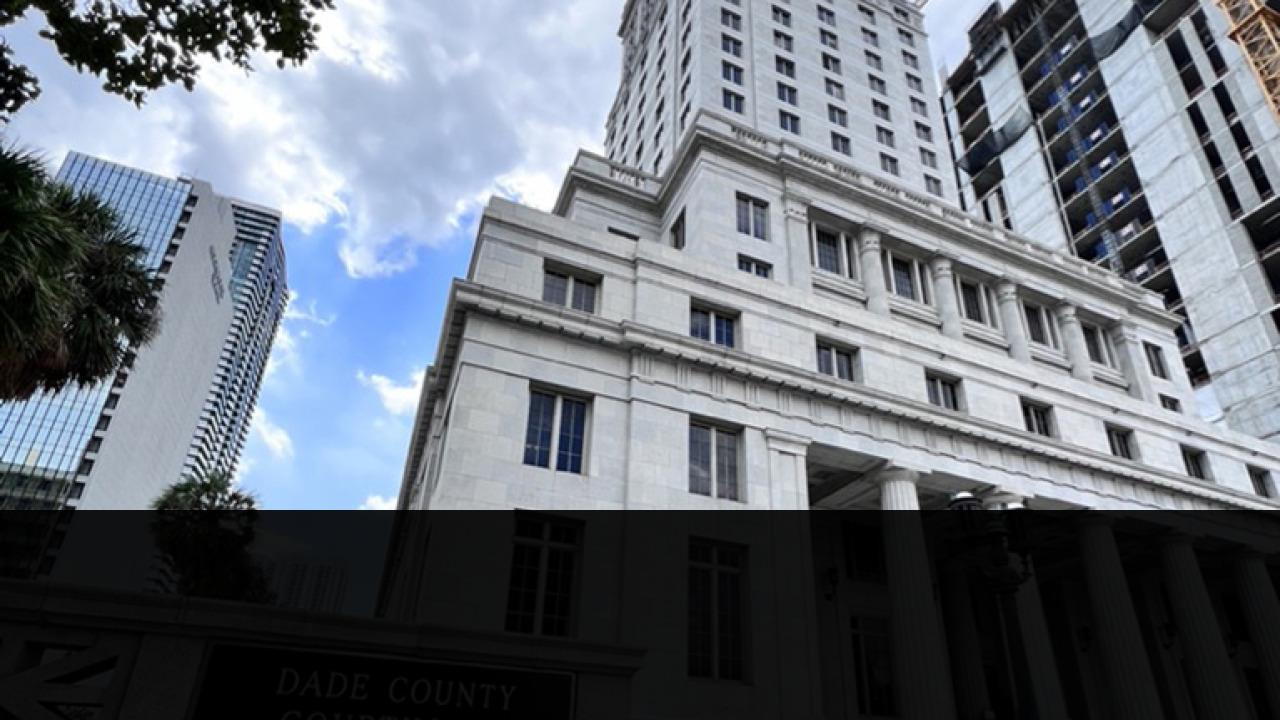
Defense attorney Mark Eiglarsh confirmed that the formal plea hearing is scheduled before Miami-Dade Circuit Judge Marisa Tinkler Mendez.
This resolution closes the criminal docket without the uncertainty of a jury trial.
Legal analysts note that such deals require careful coordination between prosecutors, defense counsel, and the presiding judge to ensure compliance.
The May 2025 Incident in Little Haiti
Altercation Outside the Boxing Match
The case originated outside an amateur boxing match in Miami’s Little Haiti neighborhood on May 16, 2025. Large crowds gathered at the venue, creating chaotic conditions before the altercation broke out.
Police reports and arrest warrants detail a physical altercation between Brown and Zul-Qarnain Kwame Nantambu.
Eyewitnesses reported raised voices and shoving matches that escalated rapidly before security personnel could intervene.
The Shooting and Subsequent Flight
Investigators alleged that Brown seized a firearm from a security guard during the confrontation and fired two shots as Nantambu fled the scene.
The victim reported that one bullet grazed his neck before Brown left the jurisdiction.
Local law enforcement immediately launched a manhunt and secured an arrest warrant for the former athlete.
International Arrest and Extradition
Flight and Overseas Capture
Following the shooting incident, Brown traveled internationally, spending months outside the United States while legal authorities prepared their case.
United States Marshals located and arrested him in Dubai in November 2025.
Federal agencies worked alongside international law enforcement partners to execute the overseas apprehension smoothly.
Return to Florida
Following his capture abroad, authorities extradited Brown back to Florida to face the felony charges in local courts.
Upon his return, Brown pleaded not guilty and maintained his innocence throughout the pretrial proceedings.
Transport logistics involved heavy security measures managed by federal marshals and local sheriff deputies.
Legal Strategy and Stand Your Ground Defense
Pursuing Dismissal Under Florida Law
Brown’s legal team aggressively pursued a dismissal under Florida’s controversial Stand Your Ground law.
The defense argued that Brown acted in self-defense against individuals attempting to steal his jewelry during the altercation.
Motion hearings highlighted conflicting accounts of who initiated the physical confrontation near the venue entrance.
Weighing Trial Risks
Conviction on the original second-degree attempted murder charge carried severe legal consequences, including a maximum sentence of 30 years in prison.
This maximum exposure featured a mandatory minimum of 20 years tied directly to the discharge of a firearm.
Defense attorneys evaluate these severe sentencing guidelines carefully when advising clients on plea offers.
Why Antonio Brown Accepted the Agreement
Eliminating Decades Behind Bars
Eiglarsh characterized the prosecution proposal as an offer that his client could not reasonably refuse given the potential penalties.
Brown weighed the certainty of straight probation against the prolonged toll of active litigation.
Avoiding a lengthy trial protects defendants from unpredictable jury verdicts and high legal fees.
Physical and Mental Exhaustion
The defense noted that the physical and mental exhaustion of wearing an ankle monitor for another year heavily influenced the final decision to resolve the matter.
Clients often seek closure to rebuild personal lives and professional ventures after prolonged legal battles.
Victim Non-Cooperation and Religious Forgiveness
Shift in Prosecution Dynamics
A significant shift in the legal dynamic occurred shortly before the plea agreement materialized in late September 2026.
Attorney Richard L. Cooper, who represents victim Zul-Qarnain Kwame Nantambu, announced that his client no longer wished to participate in the criminal proceedings.
Victim statements frequently alter the strategic calculations of state prosecutors handling violent crime dockets.
Impact of Witness Participation
Citing personal religious beliefs, Nantambu chose to forgive Brown and desired to put the traumatic event behind him.
While a victim refusal to cooperate does not automatically dissolve a state criminal case, the lack of witness participation weakened the prosecution trial posture.
Prosecutors must weigh cooperative witness testimony heavily when presenting complex criminal charges to a jury.
Antonio Brown Career Retrospective
On-Field Achievements
Before his legal troubles dominated headlines, Brown established himself as one of the most productive wide receivers in National Football League history.
Selected by the Pittsburgh Steelers in the sixth round of the 2010 NFL Draft, he earned four first-team All-Pro selections.
He achieved ultimate team success as a Super Bowl champion with the Tampa Bay Buccaneers during the 2020 season.
Statistical Legacy
Over 12 professional seasons, Brown recorded 928 receptions, surpassing 12,000 receiving yards and scoring 88 total touchdowns.
However, his professional legacy became heavily overshadowed by frequent team departures and recurring off-field controversies.
Sports historians debate how his extraordinary athletic talent compares against his disruptive career exit.
Case Timeline and Summary Table
The following table outlines the key dates and milestones in Antonio Brown’s legal case:
| Date | Event | Details |
|---|---|---|
| May 16, 2025 | Shooting Incident | Altercation and shooting outside a celebrity boxing match in Little Haiti. |
| November 2025 | International Arrest | U.S. Marshals arrest Brown in Dubai, followed by extradition to Florida. |
| September 2026 | Plea Agreement Announced | Defense announces a plea agreement reducing attempted murder to aggravated assault. |
| September 30, 2026 | Formal Plea Hearing | Scheduled hearing before Miami-Dade Circuit Judge Marisa Tinkler Mendez. |
Frequently Asked Questions
What specific charges did Antonio Brown face initially?
Prosecutors initially charged Brown with second-degree attempted murder and the unlawful discharge of a firearm.
How did the plea agreement alter his sentence?
The agreement reduced the charge to aggravated assault, removing prison time and financial penalties in favor of probation.
Why did the victim decide not to cooperate?
The victim cited personal religious beliefs and a desire to forgive Brown, choosing to step away from the criminal proceedings.
Where did the original shooting incident take place?
The incident occurred outside an amateur boxing match venue in Miami’s Little Haiti neighborhood.