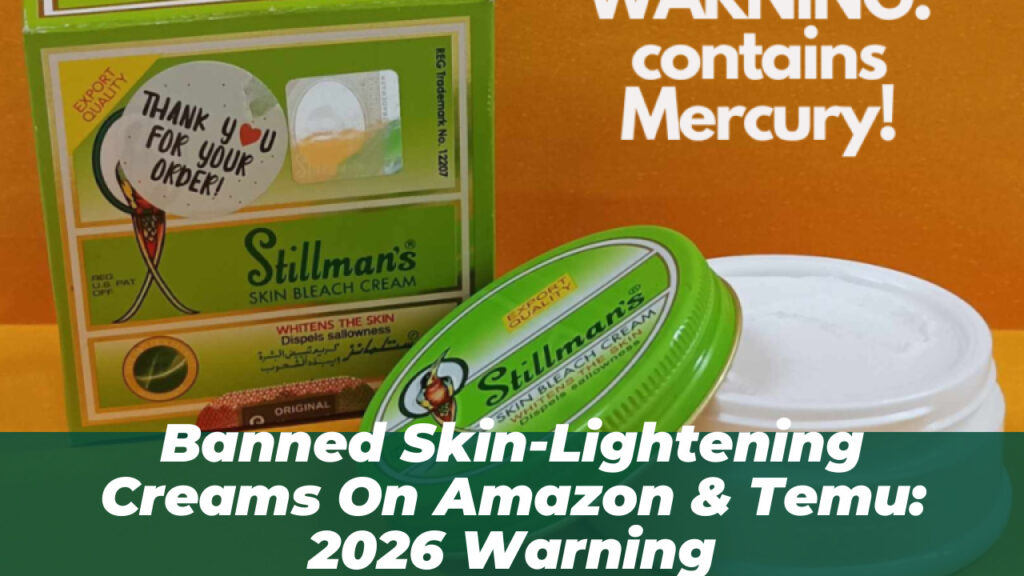
Despite global health regulations and heightened digital safety protocols, the online marketplace in 2026 remains a hunting ground for dangerous, mercury-laden skin-lightening products. While major retailers like Amazon, Temu, and TikTok Shop have implemented aggressive automated filtering, banned creams such as Goree, Faiza, and Golden Pearl continue to appear in search results under altered names or mislabeled categories. This article explores why these toxic substances persist and how you can protect your long-term health from the hidden dangers lurking in your shopping cart.
The Deceptive Marketplace: How Banned Creams Bypass Modern Algorithms
In 2026, the primary challenge for platform moderators is the “re-labeling” tactic. Sellers are no longer listing products under their original, blacklisted names. Instead, they use creative misspellings or bundle these creams with harmless beauty accessories to bypass AI-driven compliance checks. By the time a platform’s system flags a listing, the seller has often already moved to a new storefront or rebranded the item, creating a perpetual cycle of non-compliance that puts unsuspecting consumers at risk.
The Mercury Trap: Understanding the Health Risks in 2026
Recent laboratory testing conducted this year reveals that some of these illicit creams contain mercury levels as high as 28,800 ppm. To put this in perspective, the legal limit for mercury in consumer products is typically 1 ppm or less. Mercury is a potent neurotoxin that the body absorbs through the skin. Prolonged use leads to:
- Kidney Damage: Chronic exposure impairs the filtration system of the body, potentially leading to long-term renal failure.
- Neurological Impact: Symptoms include tremors, memory loss, and severe anxiety as the toxin affects the nervous system.
- Skin Degradation: While these products may lighten skin initially, they eventually cause permanent thinning, scarring, and severe, irreversible discoloration.
Price vs. Poison: Why Consumers Are Still Falling for Illegal Products
Affordability remains the biggest driver for the illegal market. In 2026, a legitimate, lab-tested skin brightener utilizing safe ingredients like Kojic acid or Arbutin costs approximately $24.89 per ounce. Conversely, these mercury-infused alternatives are often sold for as little as $6.50 per ounce. This drastic price gap creates a false sense of value, making dangerous products appear like a budget-friendly solution for those seeking quick, visible results.
The “Cat and Mouse” Game: How Sellers Evade Platform Bans
Platforms are fighting back, but the speed of the black market is often faster. Sellers utilize “proxy accounts” to flood TikTok Shop or Temu with inventory. Once a product is reported, the account is liquidated, and a new one is opened within hours. This decentralized selling model makes it incredibly difficult for platforms to maintain a 100% clean marketplace, even with advanced surveillance technology.
A Comparison of Regulatory Compliance (2026 Data)
| Platform | Enforcement Status (2026) | Primary Strategy |
|---|---|---|
| Amazon | Moderate | Manual compliance checks and seller vetting. |
| TikTok Shop | Strict | Automated keyword blocking and user reporting. |
| Temu | Developing | Post-sale review and high-frequency listing audits. |
How to Identify and Avoid Toxic Beauty Products
To stay safe in 2026, follow these three rules:
- Check the Ingredient List: Avoid any product containing “mercury,” “calomel,” “mercuric,” or “mercurio.” If the packaging lacks an ingredient list, do not buy it.
- Verify the Seller: If a seller has no history, no professional website, or is shipping from an unverified location, skip the purchase entirely.
- Ignore “Instant” Claims: If a product promises a drastic change in skin tone within just a few days, it is almost certainly utilizing illegal bleaching agents rather than safe, gradual brightening ingredients.
The Responsibility of Digital Marketplaces
While consumers must be vigilant, the ultimate burden of safety lies with the platforms. In 2026, it is no longer enough to remove a listing only after it is reported by a customer. Platforms must implement proactive, mandatory ingredient disclosure for all beauty products before they are allowed to go live. As digital connectivity grows, we see that mobile internet usage gaps still prevent many users from accessing official health warnings, making platform-side regulation even more critical.
What You Should Do If You Have Already Used These Products
If you suspect you have been using a toxic skin-lightening cream:
- Stop immediate use: Do not finish the container, even if you feel your skin is improving.
- Consult a Dermatologist: Seek professional advice to check for signs of mercury accumulation in your system.
- Report the Listing: Use the platform’s “Report” feature to help protect other users from falling into the same trap.
Final Verdict: Prioritizing Safety Over Instant Results
The desire for clear, bright skin should never come at the cost of your long-term health. In 2026, the information is available, and the risks are well-documented. By choosing regulated, transparent brands and avoiding the temptation of “cheap fixes” on third-party marketplaces, you can achieve your skincare goals safely. Remember, if the price seems too good to be true, it is likely because the product is costing you more than just money it is costing you your health.
*