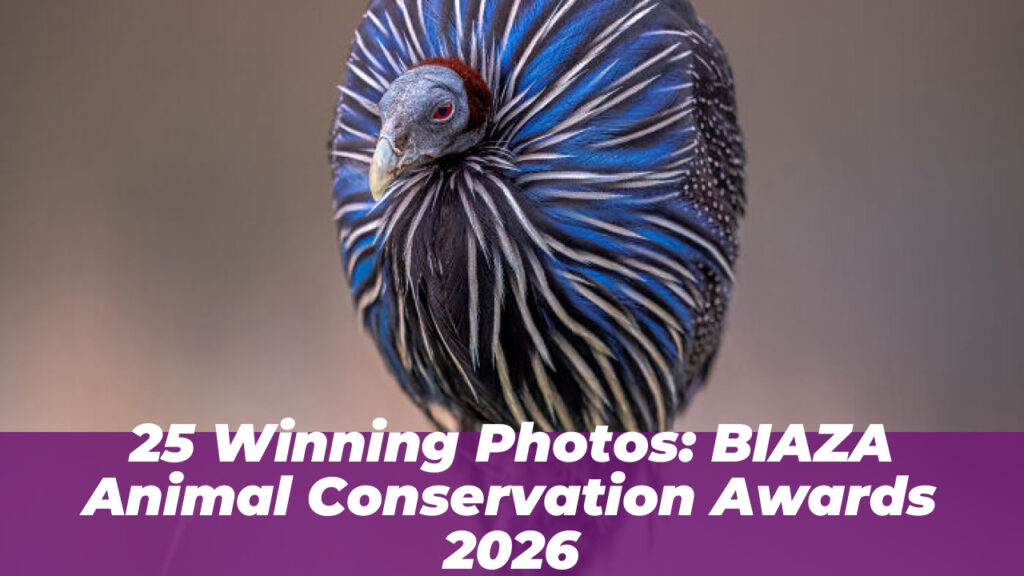
The BIAZA Photo Competition 2026 has once again redefined our perception of wildlife in managed care. This year, the focus shifted toward “Living Conservation,” moving beyond traditional portraits to capture the intricate, vital work performed by zoological institutions. These 25 winning images serve as more than just art; they are essential data points for biodiversity and provide visual evidence of the critical role zoos play in the 2026 global conservation landscape.
Captivating Portraits: The Soul of the Species
1. The Snow Leopard’s Gaze
Captured at 1/1000s, this portrait freezes the piercing intensity of a snow leopard. The detail in the whiskers highlights the precision of modern mirrorless sensors in 2026.
2. Silverback Wisdom
This shot emphasizes the stoic nature of the western lowland gorilla. The depth of field at f/2.8 isolates the subject, making the eyes the undisputed focal point.
3. The Crimson Macaw Study
A vibrant display of plumage. The photographer used a fast shutter speed to capture the bird in mid-preen, showcasing the health and vitality of the species.
4. Primates in Repose
A candid moment of rest. This image challenges the myth that zoo animals are always active, highlighting the importance of naturalistic, stress-free environments.
5. The Arctic Fox Reflection
Taken during the winter cycle, this image uses natural light to bounce off the enclosure’s icy features, creating a surreal, ethereal aesthetic.
Animal Interaction: Playful Dynamics
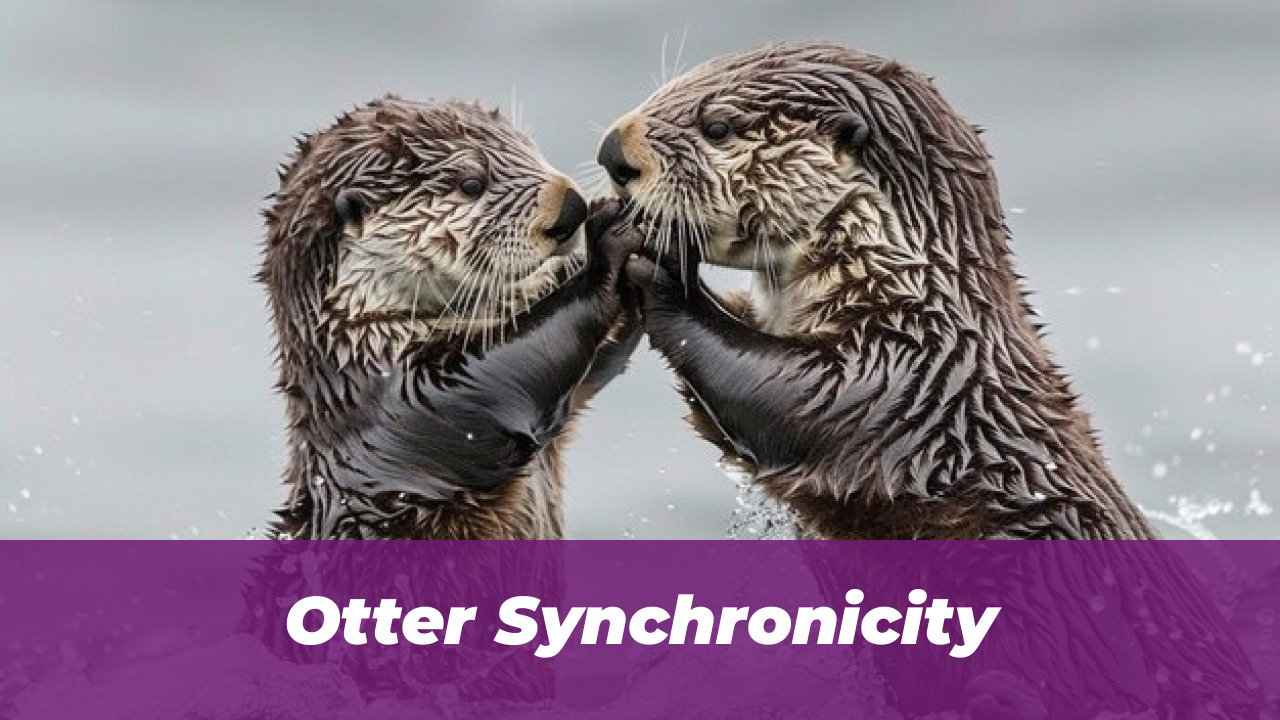
6. Otter Synchronicity
Two otters navigating the water in perfect unison. The high-speed burst mode captured the water droplets suspended in air, illustrating their aquatic agility.
7. The Giraffe’s Gentle Nudge
A touching interaction between a mother and calf. This photo underscores the success of social grouping strategies implemented in 2026.
8. Elephant Social Bonds
This wide-angle shot captures the entire herd’s movement. It documents the complex social hierarchy and communication methods observed in modern sanctuaries.
9. Penguin Parade Dynamics
A humorous yet insightful look at colony movement. It highlights how managed environments encourage natural, instinctual behaviors.
The Unnoticed: Micro-Worlds of the Aquarium
10. The Neon Tetra Geometry
Macro photography reveals the hidden patterns of a school of tetras. The light refraction through the water creates a prism effect that is visually stunning.
11. Hidden Reef Life
A focus on the smaller invertebrates that keep aquarium ecosystems healthy. This shot proves that conservation starts at the smallest level.
12. The Mantis Macro Detail
A sharp, high-magnification look at an orchid mantis. It displays the incredible camouflage techniques that make these insects masters of their environment.
Behind the Scenes: The Human-Animal Connection
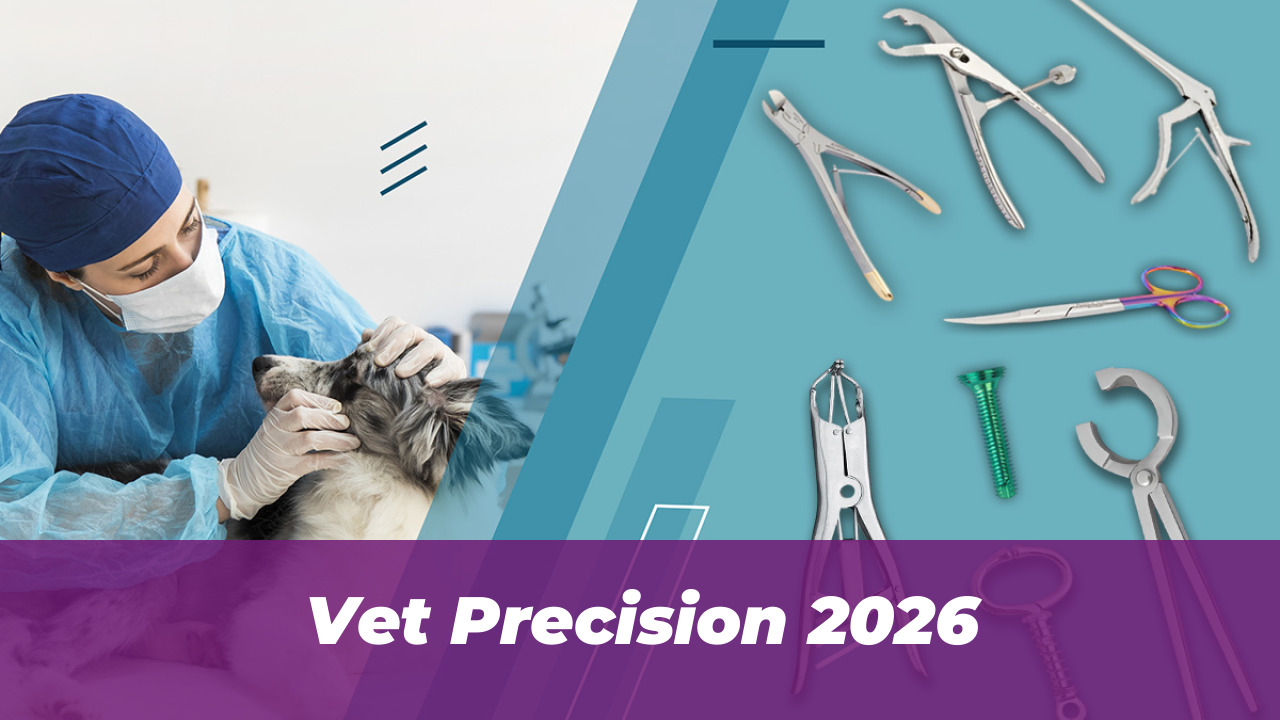
13. Veterinary Precision in 2026
A veterinarian performs a routine check-up with AI-assisted diagnostic tools. It highlights the high standard of medical care provided to zoo residents.
14. Nutrition and Care Protocols
A keeper preparing a specialized diet. This image demystifies the science behind animal husbandry and the rigorous standards of modern nutrition.
15. The Keeper’s Morning Round
A silhouette shot of a keeper checking enclosures at dawn. It represents the dedication required to maintain wildlife welfare 365 days a year.
16. Technology in Animal Welfare
A technician monitors heart rates via non-invasive sensors. Technology in 2026 has made animal care more efficient and less intrusive than ever before.
Conservation in Action: Restoring the Wild

17. Habitat Restoration Success
A before-and-after perspective of an enclosure designed to mimic native ecosystems. It serves as a blueprint for field-based conservation.
18. Reintroduction Milestone 2026
A poignant shot of a species being prepared for release. This is the ultimate goal of BIAZA accredited institutions.
19. Ecosystem Balance
An image showing multiple species co-existing in a multi-species exhibit, reflecting the complexity of natural food webs.
Young Photographer: The Future Lens
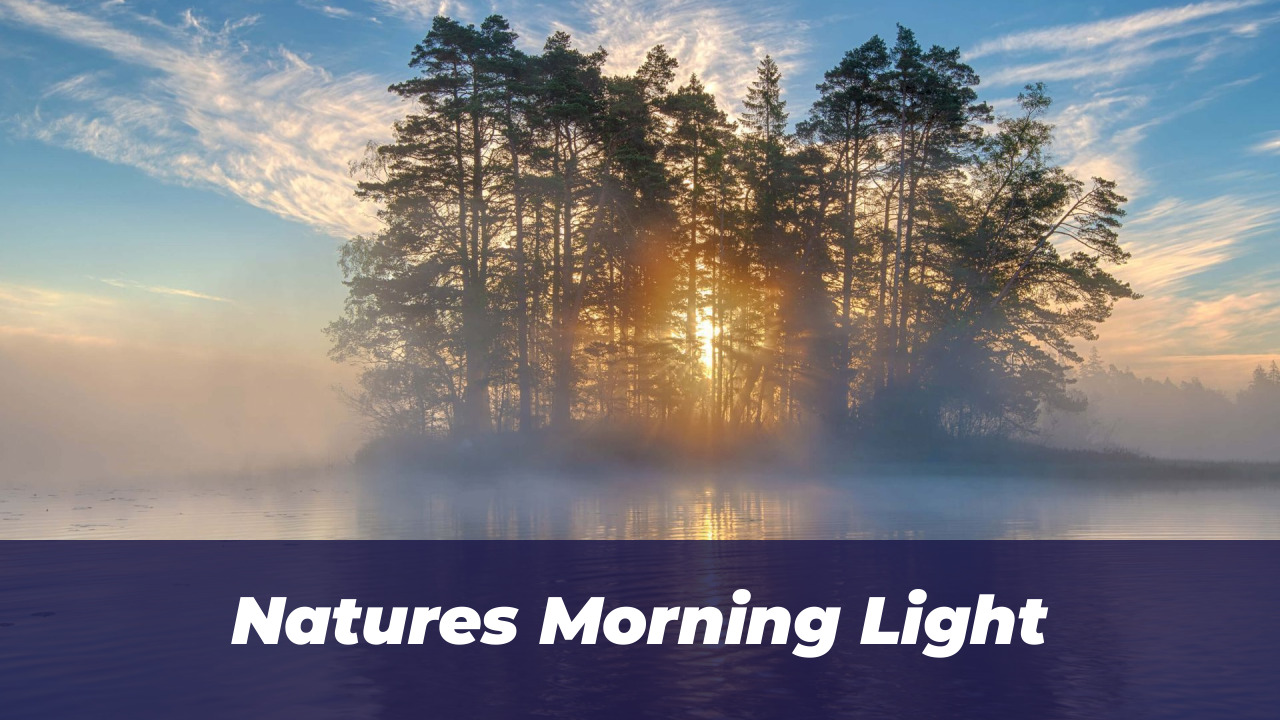
20. Nature’s Early Morning Light
A beautifully composed shot by a junior photographer, proving that the passion for conservation transcends age.
21. The Curious Lemur
A humorous, eye-level capture that shows the inquisitive nature of primates.
22. Urban Wildlife Harmony
An image of a native bird species utilizing a zoo-managed garden, highlighting how zoos act as urban wildlife corridors.
Public Choice: Atmospheric Captures
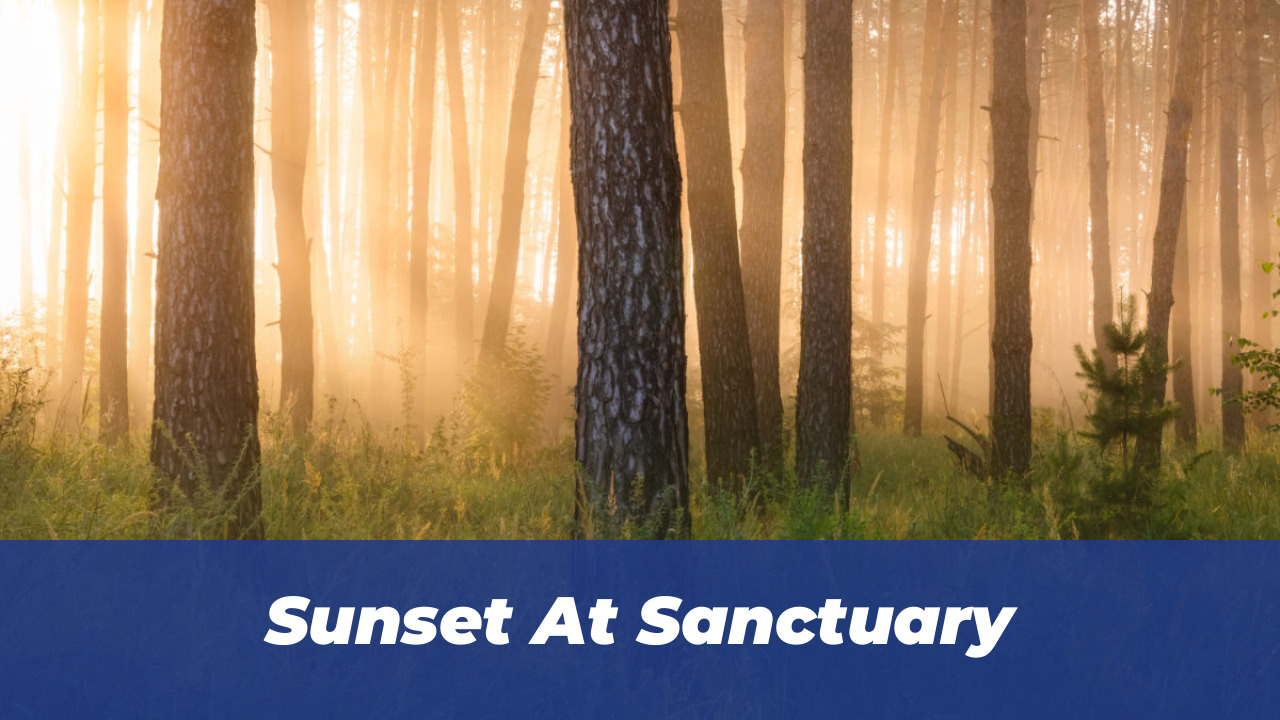
23. Sunset at the Sanctuary
A golden-hour shot that captures the tranquility of the zoo after hours.
24. The Mist-Covered Enclosure
A moody, atmospheric image that emphasizes the immersive nature of modern enclosure design.
25. Twilight Predator
A low-light masterclass using high-ISO performance to capture a nocturnal predator in motion.
Technical Specifications Table
| Photo ID | Camera/Lens | ISO/Shutter | Conservation Context |
|---|---|---|---|
| 1 | Sony A1 / 600mm | ISO 800 / 1/1000s | Endangered status awareness |
| 13 | Nikon Z9 / 105mm | ISO 400 / 1/250s | Veterinary medicine progress |
| 25 | Canon R3 / 85mm | ISO 3200 / 1/500s | Nocturnal behavior study |
Expert Insight: The 2026 Judging Perspective
The judges noted that this year’s submissions were elevated by the ubiquity of AI-assisted autofocus and superior low-light sensors. These tools allowed photographers to capture behavior that was previously invisible, such as the subtle social cues of herd animals or the rapid movements of aquatic life. While modern infrastructure projects, such as recent poultry sector investments, focus on industrial growth, it is heartening to see equal technological strides being applied to the preservation of our natural world.
Conclusion: Why Photography Matters for Zoos
Photography acts as a bridge between the public and the wild. By showcasing the beauty and complexity of species through the BIAZA competition, we inspire the next generation to care about global biodiversity. We encourage you to visit your local accredited zoo this year to witness these conservation efforts firsthand and see the wonders of the animal kingdom with your own eyes.