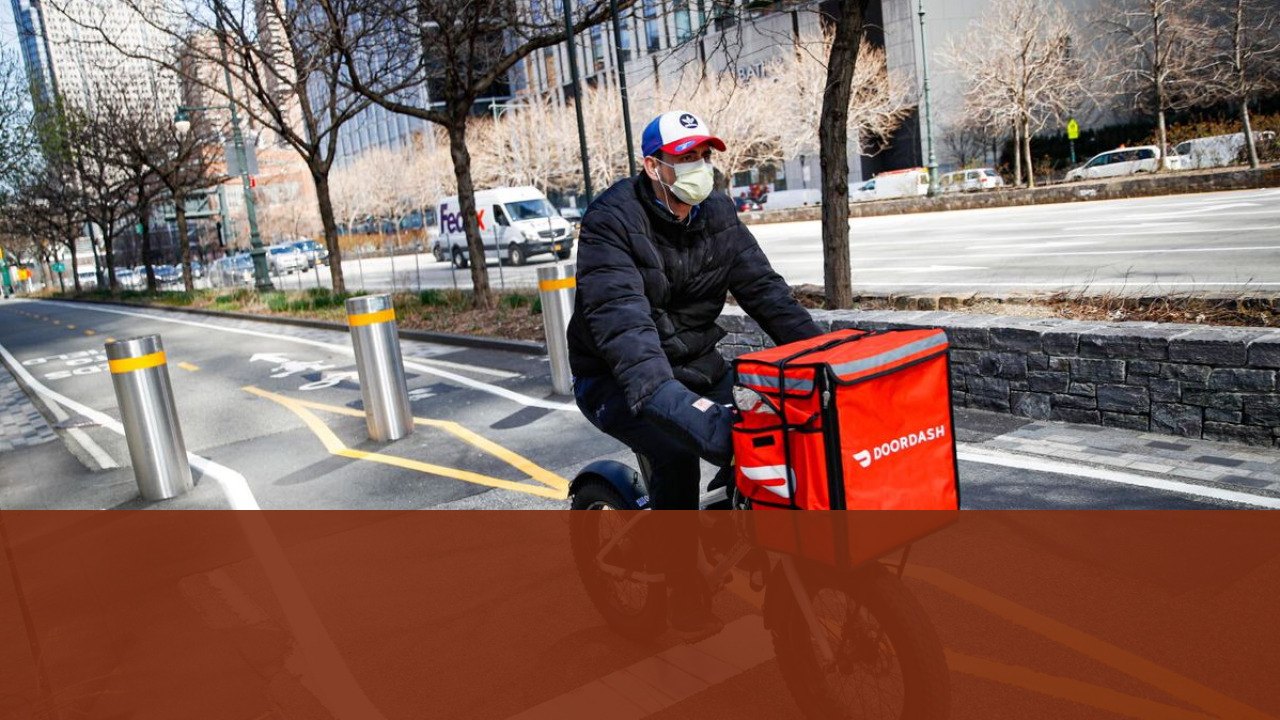
DoorDash recently agreed to a massive 131.5 million dollar financial settlement with New York City following an intensive investigation into systemic wage theft. Municipal leadership announced the historic agreement, which resolves allegations that the food delivery giant routinely underpaid, delayed payments to, or miscalculated earnings for over 264,000 delivery workers. This enforcement action stands as the largest worker protection settlement in municipal history. The investigation was spearheaded by the New York City Department of Consumer and Worker Protection, uncovering extensive discrepancies in how the food delivery platform tracked hours and disbursed funds between April 2022 and mid-2026. Rather than dragging out legal battles in court, DoorDash agreed to pay the total sum, admitting to technical calculation errors and operational failures.
- Understanding the Record-Breaking DoorDash Settlement
- Overview of the Historic 1.5 Million Agreement
- The Role of the New York City DCWP
- A Shift Away from Extended Litigation
- Breakdown of the Payout and Direct Restitution
- Distribution of Funds to Affected Dashers
- Tiered Compensation Based on Violations
- Individual Payout Scale
- Key Findings From the DCWP Investigation
- Massive Data Analysis and Transaction Review
- Exclusion of Trip and On-Call Time
- Canceled Orders and Boundary Crossings
- How Affected Workers Will Receive Payments
- Streamlined Distribution Without Individual Claims
- Direct Data Extraction and Notification
- Phased Disbursement Timeline
- DoorDash Response and Corporate Accountability
- Public Acknowledgment of Operational Failures
- Commitment to Future Compliance
- Mandatory Monitoring and Software Reforms
- Three-Year Municipal Monitoring Program
- Partnerships With Advocacy and Algorithm Groups
- Internal Infrastructure Updates
- Broader Implications for the Gig Economy
- The Growing Efficacy of Municipal Labor Enforcement
- Setting a National Precedent for Platform Accountability
- Frequently Asked Questions
- Do I need to file paperwork to receive my DoorDash settlement money?
- Who qualifies for the direct restitution payments?
- How are individual payment amounts calculated?
Understanding the Record-Breaking DoorDash Settlement
-
Overview of the Historic $131.5 Million Agreement
DoorDash agrees to a massive financial settlement with New York City following an investigation into systemic wage theft. The agreement resolves allegations that the delivery platform underpaid, delayed payments to, or miscalculated earnings for over 264,000 workers.
City records show that the scale of this agreement dwarfs previous local labor settlements. The sheer volume of affected couriers points to widespread administrative missteps within the platform’s payment architecture.
-
The Role of the New York City DCWP
Spearheaded by the New York City Department of Consumer and Worker Protection, the investigation uncovered extensive discrepancies in how the platform tracked hours and disbursed funds between April 2022 and mid-2026.
Investigators spent months combing through massive spreadsheets and server logs. Their persistence brought hidden algorithmic discrepancies directly into the public spotlight.
-
A Shift Away from Extended Litigation
Rather than engaging in a protracted legal battle, corporate leadership opted to settle quickly. The platform admitted to technical calculation errors and operational failures, ensuring faster restitution for the affected workforce.
Prolonged court battles often drain resources and delay justice for workers who rely on weekly earnings. This swift resolution ensures that money returns to delivery drivers much faster.
Breakdown of the Payout and Direct Restitution
-
Distribution of Funds to Affected Dashers
Out of the total financial package, more than $115 million goes directly back into the pockets of delivery workers. An additional $16 million covers civil penalties, fines, and administrative costs paid to the municipal government.
This direct injection of capital provides immediate financial relief to thousands of families across the five boroughs. City officials prioritized putting the vast majority of the funds directly into worker bank accounts.
-
Tiered Compensation Based on Violations
Compensation amounts vary depending on the severity of the infraction. Drivers who experienced complete non-payment receive approximately triple the amount originally owed, while those who suffered from delayed disbursements receive double their initially withheld earnings.
Punitive multipliers ensure that severe infractions carry heavier financial consequences for the platform. This structured approach matches the restitution directly to the depth of financial hardship experienced by each courier.
-
Individual Payout Scale
Thousands of individuals qualify for substantial checks, with tens of thousands receiving payouts exceeding $1,000 based on hours worked and systemic pay discrepancies.
For many couriers, these checks represent months of unpaid labor finally accounted for by municipal authorities. The tiered scale ensures fair treatment across different levels of platform engagement.
Key Findings From the DCWP Investigation
-
Massive Data Analysis and Transaction Review
Investigators analyzed extensive datasets encompassing more than 152 million individual payment transactions and approximately 110 million working hours.
This mountain of data required advanced forensic accounting techniques to untangle. City analysts mapped out every single transaction to trace where funds went missing.
-
Exclusion of Trip and On-Call Time
The investigation revealed that DoorDash excluded specific categories of trip and on-call time from total working hours, even after the municipal minimum pay law took effect in December 2023.
Couriers logged online waiting for orders, yet the platform failed to count these crucial hours toward statutory minimum earnings. Such omissions systematically depleted weekly paychecks.
-
Canceled Orders and Boundary Crossings
Drivers failed to receive proper compensation for canceled orders, deliveries crossing municipal boundaries, and complex orders involving multiple pickup locations or partial fulfillments.
Navigating outer borough boundaries and dealing with restaurant cancellations cost drivers valuable time and fuel. The platform algorithms routinely miscalculated compensation for these edge cases.
How Affected Workers Will Receive Payments
-
Streamlined Distribution Without Individual Claims
Affected delivery workers are not required to submit individual claims, fill out extensive paperwork, or provide proof of employment to qualify for funds.
Traditional class action lawsuits often require complex claim forms that many workers miss. Municipal oversight cut through this red tape to automate the entire disbursement workflow.
-
Direct Data Extraction and Notification
The DCWP utilized comprehensive data extracted directly from company servers to identify every eligible individual, with formal notification emails sent directly to impacted workers.
Server logs left a clear digital trail of unpaid hours. Regulators used this internal data to map out exact restitution figures for every single courier.
-
Phased Disbursement Timeline
The first wave of disbursements rolls out immediately, followed by a secondary round of payments planned to address remaining edge cases and technical accounting errors.
Phased rollouts allow financial administrators to catch discrepancies before checks go out. Workers can expect continued updates as subsequent payment batches clear municipal review.
DoorDash Response and Corporate Accountability
-
Public Acknowledgment of Operational Failures
Corporate leadership acknowledged the errors publicly, attributing the underpayments to technical bugs and flawed internal calculation methods regarding on-call time.
Admitting fault publicly represents a notable shift in tone for major gig economy platforms. Executives stressed a renewed dedication to fixing broken internal infrastructure.
-
Commitment to Future Compliance
DoorDash committed to adopting the city calculation methodology moving forward to prevent future discrepancies and ensure complete transparency across all operational metrics.
Alignment with municipal standards protects workers from recurring pay discrepancies. Auditors will verify these changes throughout the upcoming monitoring period.
Mandatory Monitoring and Software Reforms
-
Three-Year Municipal Monitoring Program
The agreement enforces strict structural changes, requiring DoorDash to submit detailed operational and financial data to municipal authorities on a monthly basis.
Regular oversight acts as a safeguard against future compliance failures. City regulators retain the authority to audit financial records whenever suspicious patterns emerge.
-
Partnerships With Advocacy and Algorithm Groups
The DCWP is partnering with the Workers Justice Project and the Workers Algorithm Observatory to develop specialized software tools allowing workers to report trip data directly to regulators.
Independent oversight groups provide an extra layer of protection for vulnerable couriers. These technological tools ensure workers maintain a direct voice in verifying their pay.
-
Internal Infrastructure Updates
DoorDash must update its internal software infrastructure to guarantee accurate time tracking, transparent record-keeping, and full compliance with local labor standards.
Rewriting backend software code eliminates the root cause of past calculation errors. Engineers must build systems that respect local labor laws by default.
Broader Implications for the Gig Economy
-
The Growing Efficacy of Municipal Labor Enforcement
This legal victory highlights the rising power of municipal labor enforcement against large technology platforms and validates the efforts of worker advocacy groups like Los Deliveristas Unidos.
Local governments increasingly step in to protect workers when federal labor standards lag behind. Municipal victories create templates for other cities facing similar gig economy challenges.
-
Setting a National Precedent for Platform Accountability
With mandatory compliance monitoring and direct reporting software in place, New York City sets a stringent national standard for worker protection in the modern gig economy.
Other major metropolitan areas are watching these developments closely. This settlement proves that systematic wage theft by algorithmic platforms faces severe legal and financial boundaries.
Frequently Asked Questions
Do I need to file paperwork to receive my DoorDash settlement money?
No, affected workers do not need to submit individual claims or paperwork. The city used direct server data to identify eligible couriers.
Who qualifies for the direct restitution payments?
Couriers who performed deliveries in New York City between April 2022 and mid-2026 and experienced pay discrepancies qualify automatically.
How are individual payment amounts calculated?
Payments depend on the severity of the infraction, with complete non-payment resulting in triple restitution and delayed payments receiving double amounts.