
The British educational landscape is undergoing a massive transformation with the announcement of national vocational GCSEs. Designed to modernise secondary education across England, this ambitious policy aims to blend hands-on career preparation with traditional academic studies. By addressing the rigid structures of the past, policymakers hope to tackle the growing number of young people falling out of the education and employment system.
- Introduction to England’s 2029 Vocational GCSE Reform
- Understanding the 2029 Vocational GCSE Framework
- Core Subject Offerings and Career Pathways
- The National Mission on Work Experience
- Funding Realities and School Infrastructure Challenges
- Staffing Pressures in Further Education and Schools
- Political Debate and Educational Equity Concerns
- Economic Impact and Industry Collaboration
- Global Precedents and Educational Standards
- Frequently Asked Questions
- When will vocational GCSEs become available in English schools?
- How will vocational GCSEs differ from current Technical Awards?
- Will core academic subjects remain compulsory?
- What post-16 options do these qualifications lead to?
Introduction to England’s 2029 Vocational GCSE Reform
The British government announced a major educational shake-up on September 23, 2026, confirming plans to introduce national vocational GCSEs across England by September 2029. This nationwide initiative modernises the secondary school curriculum by giving 14-to-16-year-old students practical career pathways alongside compulsory academic subjects. Prime Minister Andy Burnham and Education Secretary Lucy Powell champion the policy as an essential remedy to a rigid educational framework that has left nearly a million young people out of work or training.
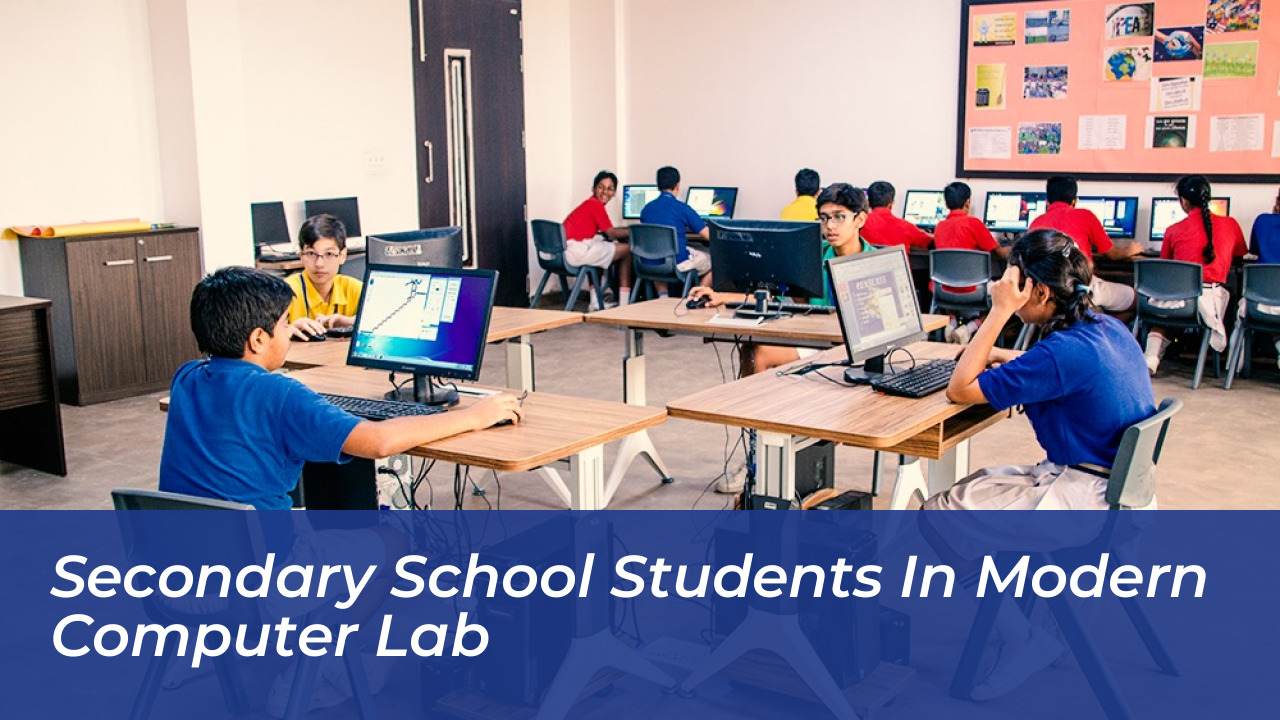
Under the upcoming framework, students will complement core subjects such as English, mathematics, and science with specialized technical options. These pathways include building and construction, business management, child development, and digital technology. The Department for Education confirmed that these two-year qualifications will feature nationally standardized content regulated by Ofqual to maintain strict parity with traditional academic GCSEs.
Understanding the 2029 Vocational GCSE Framework
The upcoming vocational GCSEs represent the most significant structural change to English secondary qualifications in over a decade. Designed as two-year courses taken during Year 10 and Year 11, these credentials will gradually replace existing Level 2 Technical Awards and BTec tech awards. Unlike current technical awards, where standards vary widely across different examining organizations, the new vocational options will feature uniform, nationally set content.
Regulatory oversight from Ofqual guarantees that grading standards align directly with traditional academic GCSEs. This regulatory backing aims to establish a true parity of esteem between academic and technical learning. Educators, policymakers, and industry leaders hope this removes historical stigmas associated with vocational tracks, presenting students with equally respected pathways toward higher education or direct workforce entry.
Core Subject Offerings and Career Pathways
The curriculum design focuses on industries driving the modern economy. Schools will offer these subjects to bridge the skills gap and provide authentic links to high-demand sectors. The initial rollout includes several key disciplines that cater to various student interests and local economic demands.
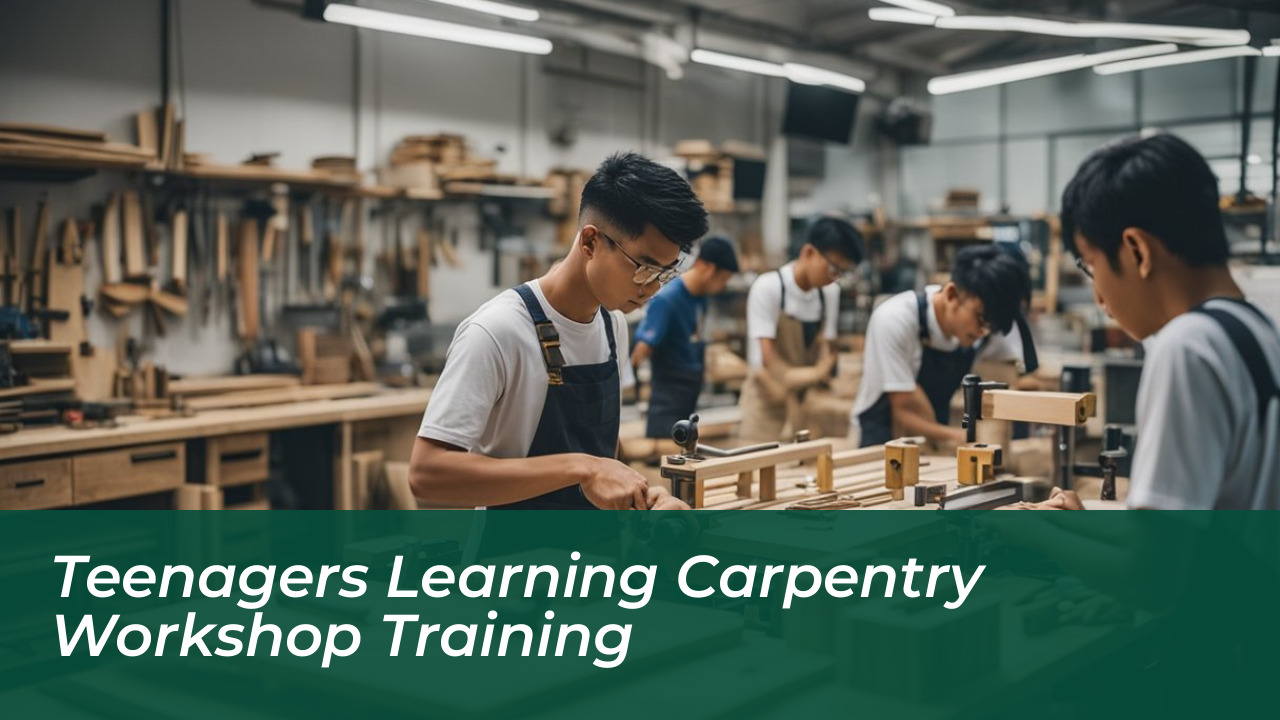
Building and Construction: Prepares students for technical trades, engineering foundations, and modern construction management through practical, site-based learning modules.
Business Management and Finance: Equips learners with foundational commercial awareness, accounting basics, and entrepreneurial skills necessary for the modern corporate world.
Child Development: Focuses on early years education, pediatric health, and social welfare foundations, opening doors to careers in education and healthcare.
Creative Media Production: Targets digital storytelling, graphic design, broadcast media, and interactive entertainment development for the burgeoning creative industries.
Digital Technology: Covers core computing principles, software application, and cybersecurity fundamentals to meet the relentless demand for IT professionals.
These qualifications act as direct stepping stones into advanced post-16 opportunities, including traditional A-levels, newly introduced V-levels in further education colleges, T-levels, and registered apprenticeships.
The National Mission on Work Experience
Alongside curriculum reform, the government initiated a national push for practical workplace exposure. Officials set a target for employers to help create 200,000 new work experience opportunities for students under the age of 16. Local mayors, regional authorities, and careers hubs will coordinate directly with businesses to secure placements in sectors ranging from accountancy to advanced manufacturing.
To lead by example, government offices opened their doors to offer direct work experience placements for 14-to-16-year-old students during the current academic year. Business leaders are urged to collaborate with local educational networks to guarantee that teenagers gain meaningful, hands-on insights into professional environments before making definitive post-16 educational choices.
Funding Realities and School Infrastructure Challenges
While industry bodies and school leaders generally welcome flexible curriculum options, headteachers raise urgent logistical concerns. Implementing robust practical subjects requires significant financial investment. Schools must convert existing classrooms into specialized workshops, purchase industry-standard equipment, and recruit qualified technical instructors to meet safety and educational standards.
Recent analysis from the independent Institute for Fiscal Studies indicates that school budgets per pupil are growing by 9% in real terms between the 2025-26 and 2028-29 academic years, buoyed by falling pupil numbers in specific regions and government top-ups. However, economists warn that absorbing sweeping vocational reforms alongside existing statutory duties for special educational needs and disabilities will stretch administrative and financial capacities to the limit.
Staffing Pressures in Further Education and Schools
A primary bottleneck for the 2029 rollout involves workforce recruitment. Further education colleges and secondary institutions already face severe shortages of qualified technical and vocational educators.
Industry professionals often earn higher salaries in private sectors, making it difficult for schools to attract specialist teaching staff. Overcoming this hurdle requires targeted salary incentives and sustained funding support from central government to ensure schools can compete with private industry wages.
Political Debate and Educational Equity Concerns
The radical overhaul has sparked intense political debate regarding social mobility and educational standards. Proponents argue that a flexible curriculum rescues disengaged students, preventing the disenfranchisement that leads to high numbers of young people not in education, employment, or training.
Conversely, opposition figures express deep reservations. Critics argue that introducing widespread vocational routes risks lowering expectations for disadvantaged children by steering working-class pupils away from rigorous academic subject combinations. Maintaining international educational standards remains a priority as schools expand practical curriculum choices.
Economic Impact and Industry Collaboration
Regional business leaders praise the reform for aligning educational outputs with immediate labor market shortages. Direct partnerships between schools and local enterprises ensure training mirrors modern workplace realities. Employers actively contribute to curriculum updates, ensuring that students graduate with relevant certifications.
Economists predict that targeted vocational training will reduce long-term structural unemployment across industrial regions. Industry investment in school facilities further strengthens community ties between educators and corporate partners.
Global Precedents and Educational Standards
England draws inspiration from successful vocational models implemented across several European nations. Countries like Germany and Switzerland maintain robust dual-education systems that combine academic study with structured apprenticeships. Policymakers hope to replicate this high-status technical track without compromising core academic rigor.
International benchmarking ensures that English qualifications remain competitive in a rapidly evolving global economy. Maintaining high Ofqual standards guarantees that international employers recognize the value of these new credentials.
Frequently Asked Questions
When will vocational GCSEs become available in English schools?
The British government plans to introduce the new national vocational GCSEs starting in September 2029 for students entering Year 10.
How will vocational GCSEs differ from current Technical Awards?
Unlike current Technical Awards, whose standards vary by provider, the new vocational GCSEs will feature nationally set content, uniform assessment criteria, and direct regulation by Ofqual to ensure strict parity with traditional GCSEs.
Will core academic subjects remain compulsory?
Yes. English, mathematics, and science remain a common entitlement and compulsory component for all students under the new educational framework.
What post-16 options do these qualifications lead to?
These qualifications create a clear progression ladder into A-levels, T-levels, V-levels taught in further education colleges, higher-level apprenticeships, and direct workforce entry.