As of September 17, 2026, the nationwide fuel supply chain faces a critical impasse. The government’s ambitious Rs. 100 per litre relief scheme, designed to support owners of motorcycles, rickshaws, and small cars, has hit a wall. Pakistan’s 14,000 fuel dealers have collectively refused to implement the subsidy, citing a total lack of a transparent reimbursement mechanism. This standoff is not merely a disagreement over margins; it is a fundamental clash between administrative policy and private sector financial security in an era of volatile, daily-adjusted fuel pricing.
The Core Conflict: Transparency vs. Implementation
The primary friction point is the absence of a clear, automated refund process. Dealers argue that if they sell fuel at a Rs. 100 discount, their working capital is immediately depleted. Without a government-backed guarantee that these funds will be replenished within 24 to 48 hours, small-scale station owners risk insolvency. The government currently lacks the digital infrastructure to track these transactions in real-time, leaving dealers to bear the financial burden of a state-funded subsidy.
Understanding the 2026 Daily Fuel Pricing Mechanism
The current tension is exacerbated by the systemic shifts introduced earlier this year. Since July 1, 2026, OGRA has enforced a Daily Fuel Pricing Mechanism. Prices now fluctuate based on a 7-day rolling average of international market trends, removing the need for PM-level approval. While this ensures transparency in global pricing, it creates extreme operational volatility for dealers. When the government adds a complex subsidy layer on top of a daily-changing price, the administrative load becomes unsustainable for private operators.
Why Private Dealers Are Pushing Back Against the Government
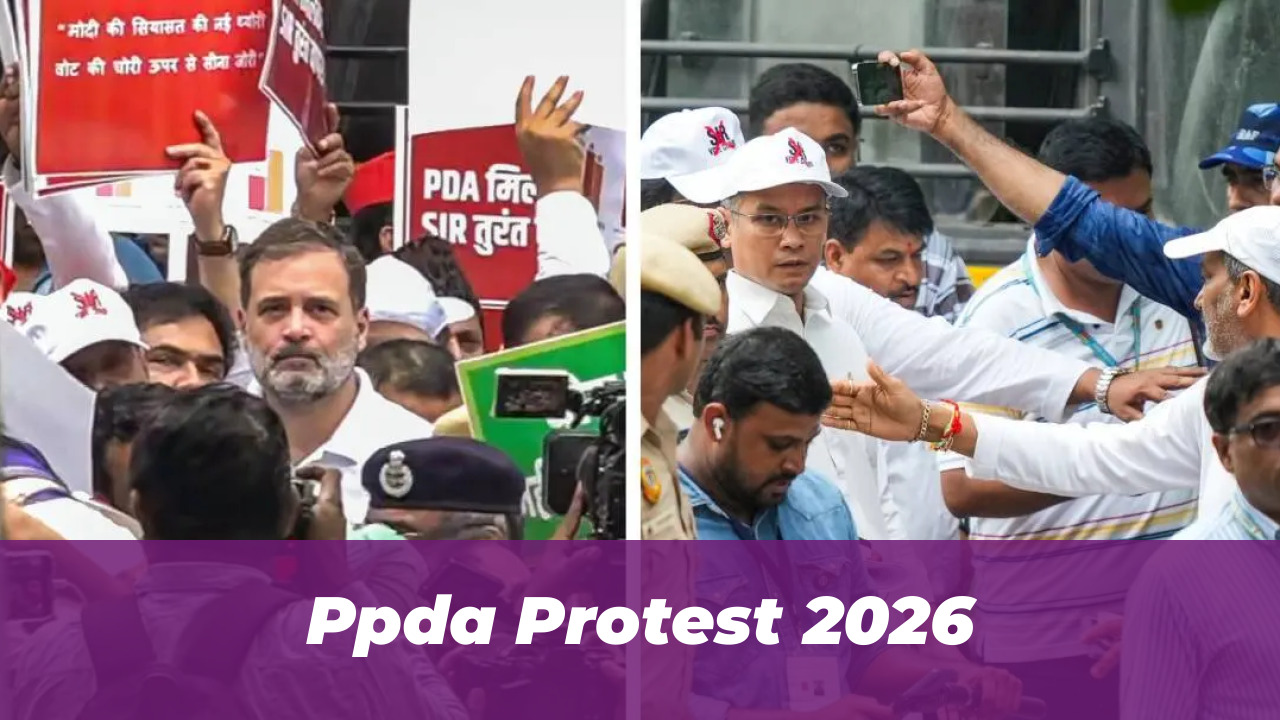
The Pakistan Petroleum Dealers Association (PPDA), led by Malik Khuda Baksh, has been vocal about the lack of consultation. Dealers are concerned that they are being forced to act as the government’s financial shock absorbers. Their stance is clear: they are not against providing relief to the public, but they refuse to operate a scheme that threatens their cash flow. The demand is simple a digital, verifiable reimbursement system that settles accounts daily, or the exclusion of private stations from the subsidy program.
The Risk of Panic Buying and Supply Chain Vulnerability
History shows that any uncertainty in fuel availability triggers immediate panic buying. As citizens rush to fill their tanks, local supply chains face immense pressure. Emergency meetings at the Secretariat level are currently underway to prevent a nationwide shortage. However, unless the government addresses the dealers’ concerns regarding liquidity, the risk of localized shutdowns across major cities remains high. The government’s focus on import quotas, where PSO handles high-speed diesel and OMCs manage petrol, adds another layer of complexity that could delay stock replenishment if the current standoff persists.
Proposed Alternatives: A Sustainable Path Forward
To resolve this deadlock, the government should consider a phased implementation strategy:
- Pilot Programs at State-Owned Outlets: As suggested by the PPDA, the subsidy should first be tested at company-owned stations where the government has direct financial control.
- Direct Benefit Transfer (DBT): Instead of point-of-sale discounts, the government could utilize a digital wallet system for eligible vehicle owners, bypassing the dealer’s margin entirely.
- Automated Clearing House: Implementing a blockchain-based or automated clearing system that triggers instant payments to dealers upon verification of a subsidized sale would restore confidence.
Conclusion: Balancing Public Relief with Economic Stability
The government faces a difficult choice: force the private sector to comply under threat of regulatory penalties, or pivot to a more collaborative, tech-driven approach. As we move through the latter half of 2026, it is evident that policy-making must account for the financial realities of the retail sector. Without a robust reimbursement framework, the Rs. 100/litre relief package remains a well-intentioned policy that threatens to disrupt the very supply chain it aims to support.
Note:* For those monitoring the broader economic landscape, it is worth noting that while fuel issues dominate headlines, other sectors are also seeing administrative shifts, such as the mobile internet usage gap impacting rural connectivity in 2026.