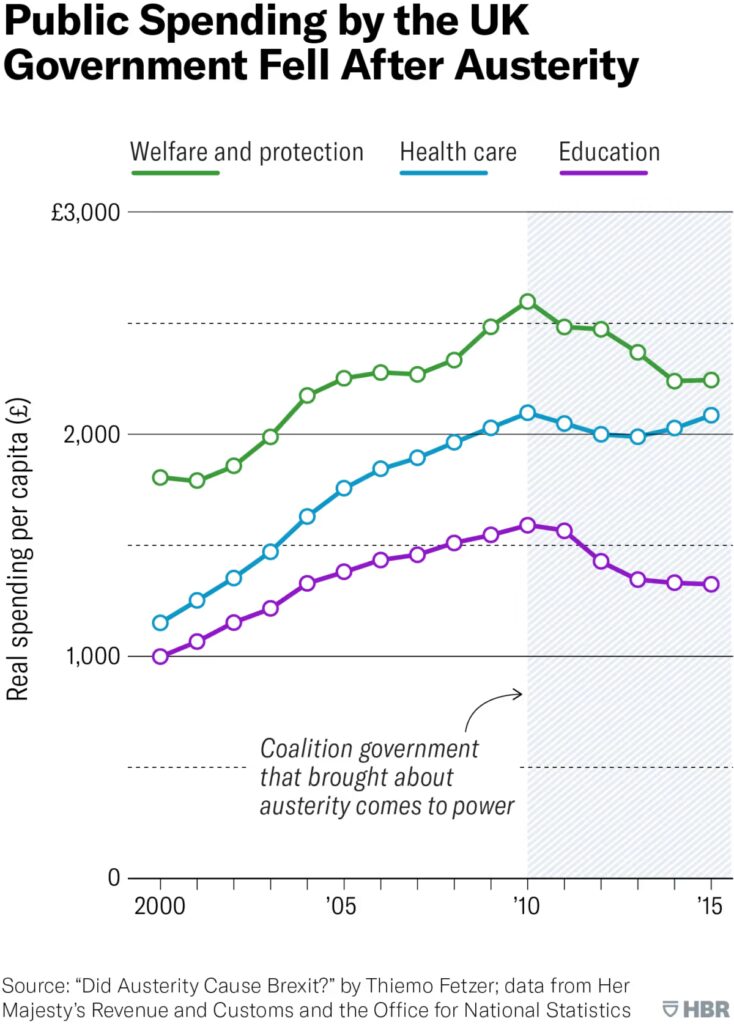
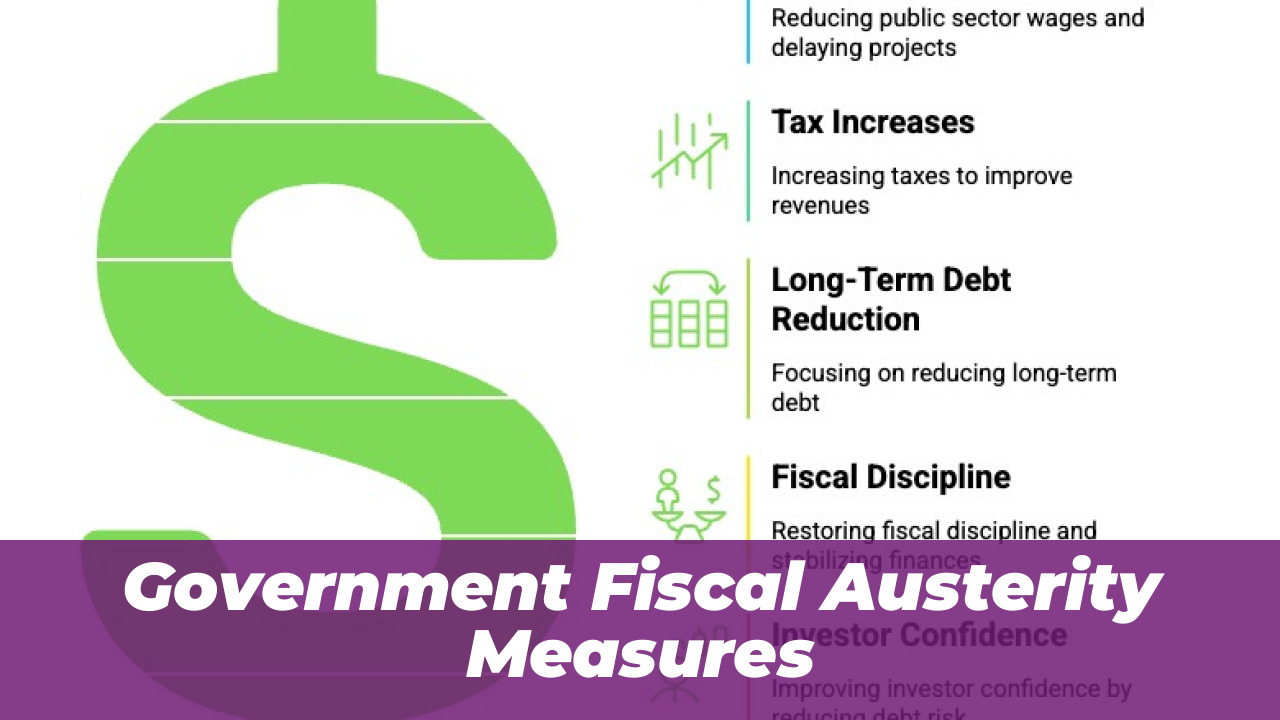
The Federal Government has officially rolled out a comprehensive set of austerity measures for the fiscal year 2026-27, aimed at strengthening fiscal discipline and optimizing national expenditures. As part of this strategic framework, a significant reduction in fuel consumption for official vehicles has been mandated across federal ministries. However, recognizing the criticality of national security and the necessity of uninterrupted revenue collection, the government has granted specific exemptions to key sectors, including the Armed Forces and the Federal Board of Revenue (FBR).
This article provides a detailed breakdown of the updated fuel restrictions, the scope of these exemptions, and the broader budgetary constraints currently governing federal operations in 2026.
Understanding the New Fuel Reduction Policy
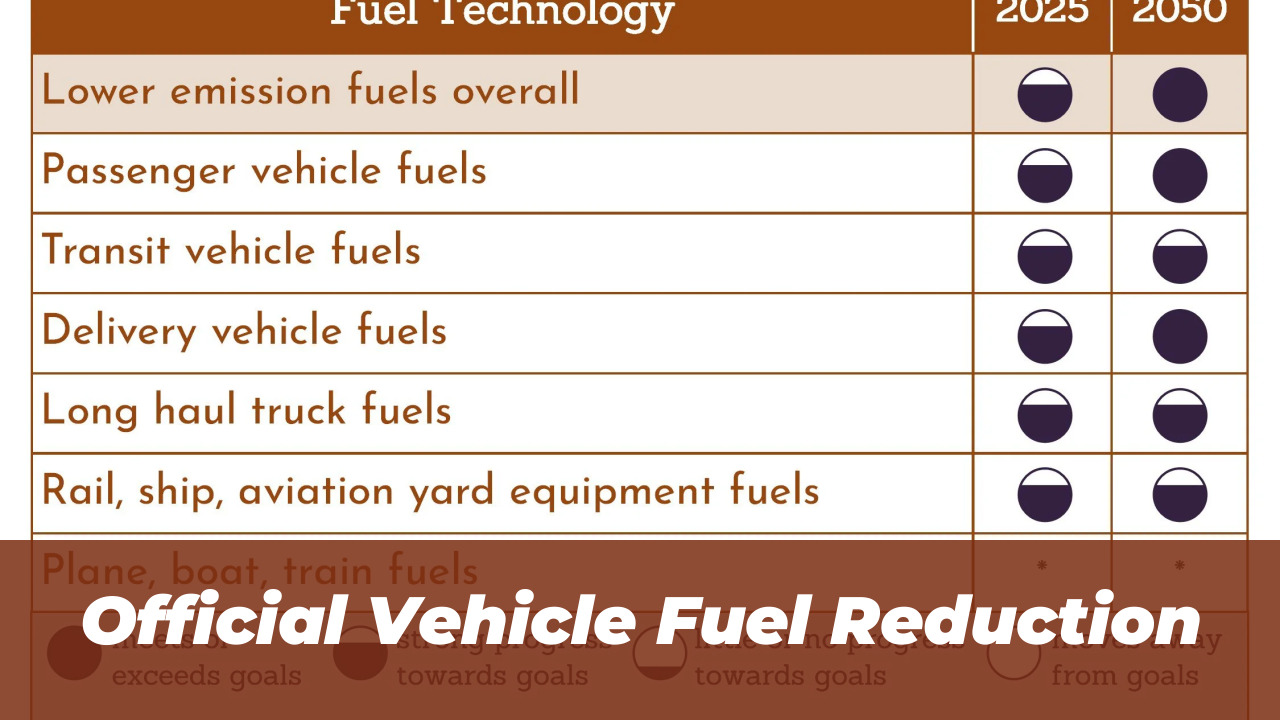
To curb non-essential administrative spending, the government has enforced a 50% reduction in fuel consumption for all official vehicles across federal departments. This policy is currently mandated for a three-month duration. The primary objective is to curtail the administrative overhead that has historically burdened the national exchequer, ensuring resources are directed toward high-priority fiscal goals.
Key Exemptions: Who Retains Full Access?
While the 50% fuel cut applies to a wide range of government departments, specific entities have been exempted to ensure the continuity of essential national functions:
- Armed Forces (Operational): Only mission-critical operational vehicles of the Armed Forces are exempt. Administrative and non-operational military vehicles are strictly subject to the 50% reduction.
- Civil Armed Forces: Personnel actively engaged in internal security operations and border management.
- Law Enforcement Agencies: Departments critical to maintaining public order, safety, and national stability.
- Federal Board of Revenue (FBR): Essential for maintaining the momentum of tax collection and ensuring that revenue operations remain unhindered.
- Essential Services: Departments providing emergency, rescue, and life-saving services to the public.
- Health and Sanitation Departments: Vehicles dedicated to public health response and critical sanitation infrastructure.
- Utility Maintenance Teams: Field units responsible for the immediate repair and maintenance of national power and water grids.
- Disaster Management Units: Specialized vehicles utilized by national disaster response authorities for emergency deployment.
Fiscal Discipline: Budgetary and Spending Cuts (FY2026-27)
Beyond fuel, the government has implemented rigorous financial controls to stabilize the economy throughout the 2026-27 fiscal cycle:
- Non-ERE Budgetary Spending: A 5% monthly reduction has been applied to all non-Employee Related Expenses (ERE) to optimize government operations and eliminate waste.
- Foreign Missions: While foreign missions are subject to spending cuts, critical areas such as rent, educational fees for staff, and essential medical expenses remain fully protected.
- Purchase Bans: To prevent capital flight and curb unnecessary expenditure, the government has imposed a complete ban on the procurement of all new vehicles.
- Durable Goods Restriction: The purchase of office furniture and luxury equipment is prohibited; however, IT-related purchases are exempt to support the ongoing digital transformation of government services.
- Travel Restrictions: All non-essential international and domestic travel for government officials has been suspended unless explicitly approved by the finance ministry.
- Consultancy Fees: A 10% reduction in the budget allocated for external consultants and advisory services.
- Event Spending: A strict cap on expenditure for official ceremonies, workshops, and seminars, encouraging virtual participation.
- Office Maintenance: Deferment of non-critical office renovations and building upgrades until the end of the fiscal year.
Are Development Projects Affected?
A common concern regarding these austerity measures is their potential impact on national infrastructure. It is important to clarify that all development projects are exempt from these restrictions. The government has ensured that fuel cuts, budget reductions, and vehicle purchase bans do not impede the progress of ongoing development work, ensuring that long-term economic growth remains a priority. For those monitoring national stability, you can also review the latest welfare benefits for security personnel to see how the government continues to support its frontline workers despite fiscal tightening.
Summary of 2026 Austerity Impact
The following table outlines the current scope of the government’s fiscal policy for the ongoing fiscal year.
| Policy Area | Status | Impact |
|---|---|---|
| Fuel Consumption | 50% Reduction | Affects non-exempt departments for 3 months |
| Vehicle Purchases | Complete Ban | No new vehicles allowed |
| IT Equipment | Exempt | Allowed to maintain digital efficiency |
| Development Projects | Exempt | No reduction in funding or operations |
Frequently Asked Questions (FAQs)
Q: How long will the 50% fuel reduction policy stay in place?
A: The current mandate for a 50% fuel cut for official vehicles is effective for a period of three months.
Q: Are all military vehicles exempt from the fuel cut?
A: No. Only operational vehicles of the Armed Forces are exempt. Non-operational and administrative military vehicles are required to adhere to the 50% reduction.
Q: Can government departments purchase new IT equipment?
A: Yes. While there is a ban on the purchase of durable goods and vehicles, IT-related purchases are explicitly exempt to maintain operational efficiency in a digital-first environment.
Q: Do these austerity measures impact ongoing development projects?
A: No, development projects are completely exempt from these financial restrictions to ensure that national infrastructure goals are met without interruption.