In 2026, the global economic landscape is no longer defined by traditional connectivity or internet penetration rates. Instead, a new, more profound gap has emerged: the Intelligence Divide. As Jazz CEO Aamir Ibrahim recently highlighted, the ability of a nation to compete in the global market now hinges on its capacity to build AI Factories. This isn’t merely about buying software; it is about establishing the foundational infrastructure required to process, train, and deploy artificial intelligence at scale.
The Concept of AI Factories: Beyond Traditional Data Centers
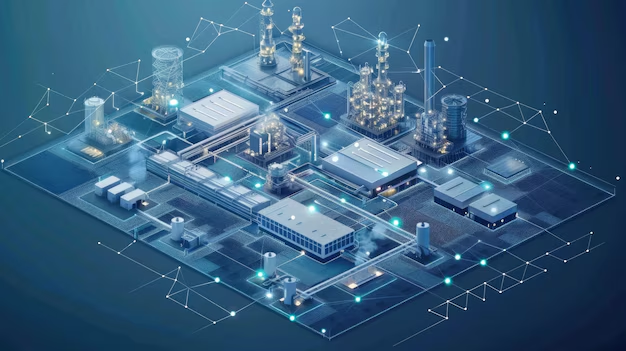
For years, the conversation around tech infrastructure in Pakistan centered on fiber optics and 5G. While essential, these are merely the pipes. An AI Factory is the engine room. It is a specialized facility where raw data is converted into high-value AI inference. Unlike traditional data centers that focus on storage, AI Factories are compute-heavy environments designed to handle massive GPU clusters, enabling real-time decision-making and generative AI capabilities that drive modern business efficiencies. Ensuring that our national power grid supports these energy-intensive facilities is critical, especially as regulators like NEPRA monitor energy sector efficiency to prevent systemic bottlenecks.
The Four Pillars of Sovereign AI Infrastructure
To bridge the Intelligence Divide, Pakistan must move beyond being a passive consumer of global AI models. Aamir Ibrahim’s vision emphasizes four critical pillars that form the blueprint for a sovereign AI ecosystem in 2026:
- Sustainable Energy: AI training is energy-intensive. Without a reliable and affordable power grid, the cost of running AI Factories becomes prohibitive.
- Compute Density: Access to high-performance hardware, specifically GPUs, is the new gold rush. Strategic partnerships are required to ensure local developers have the compute power to innovate.
- Sovereign Data: Protecting the cognitive layer is vital. By keeping data within national borders, we ensure that AI models are trained on local languages, cultural nuances, and domestic market requirements.
- Localized Intelligence: Generic AI often fails to address the unique challenges of local industries. Sovereign AI allows us to build solutions tailored to our specific economic context.
- Scalable Architecture: Transitioning from legacy systems to modular, cloud-native frameworks ensures that infrastructure can grow alongside demand.
- Robust Security Protocols: As we centralize data, cybersecurity must be baked into the hardware layer to protect national intellectual property.
Why AI Inference-as-a-Service is the Next Export Engine
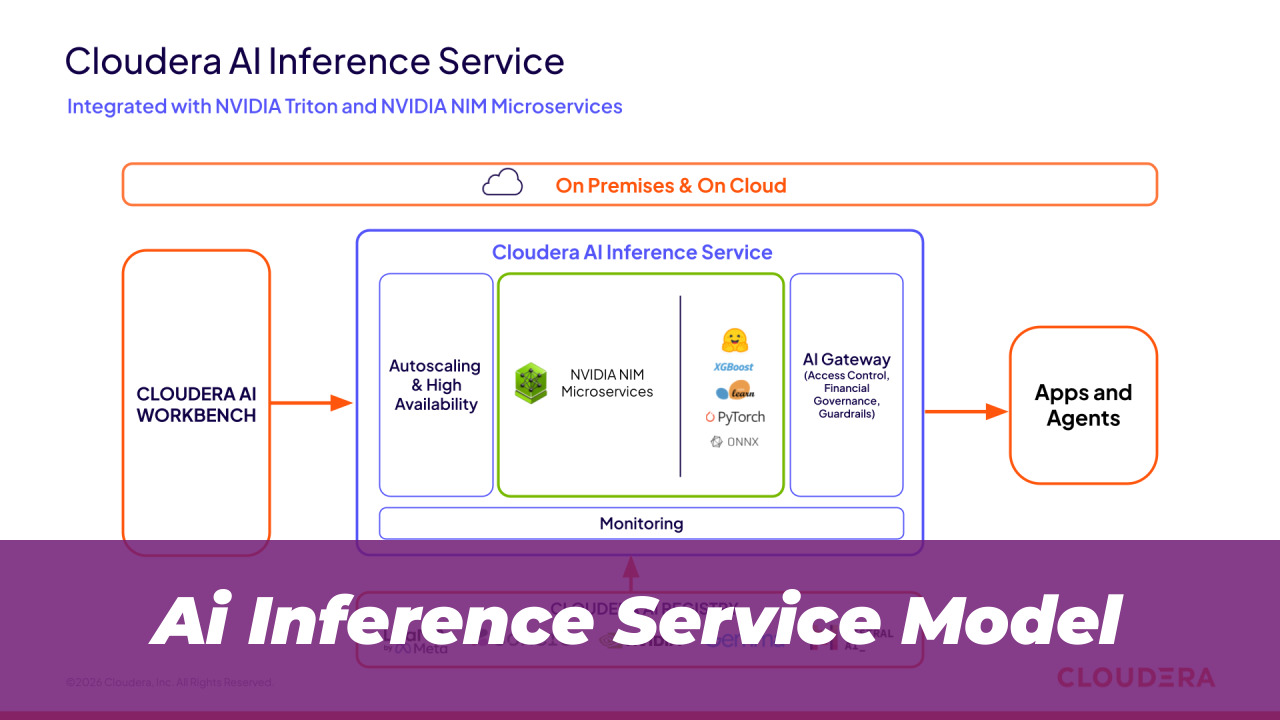
Pakistan’s IT sector has long relied on software outsourcing. However, the future lies in AI Inference-as-a-Service. By building AI Factories, Pakistan can position itself as a hub for AI-driven services, where global companies leverage our local compute infrastructure for specialized tasks. This shifts our economic role from providing low-cost labor to providing high-value, AI-powered intelligence.
The 2026 Reality Check: Infrastructure vs. Innovation
As of late 2026, the race is global. With the EU investing €20 Billion in GigaFactories, the pressure is on emerging markets to keep pace. The challenge is not just financial; it is architectural. We must adopt a Dual-Stack Approach, integrating High-Performance Computing with cloud-native frameworks like Kubernetes. This ensures that the AI models we build today are scalable, secure, and ready for the demands of 2027 and beyond.
Strategic Recommendations for Policy Makers and Private Sector
To transform this vision into reality, a collaborative roadmap is essential:
- Incentivize Infrastructure: Provide tax breaks and land grants for companies building AI-ready data centers.
- Public-Private Partnerships: Leverage the existing telecom footprint to deploy distributed AI compute nodes.
- Human Capital: Shift academic focus from basic coding to AI architecture and infrastructure management.
- Regulatory Sandboxes: Create legal frameworks that allow for rapid experimentation with AI models without stifling innovation.
- Energy Subsidies: Offer specialized utility tariffs for certified AI Factory operators to lower operational expenditure.
- Hardware Import Reform: Streamline customs procedures for high-end GPUs and related hardware essential for AI development.
| Package Name | Price | On-Net Mins | Off-Net Mins | Internet Data | Validity | Dial Code |
|---|---|---|---|---|---|---|
| Jazz AI Ready Monthly | Rs 1,499 | 5000 | 500 | 50GB | 30 Days | 123# |
| Jazz Sovereign Data | Rs 2,999 | 10000 | 1000 | 150GB | 30 Days | 456# |
| Jazz Compute Booster | Rs 500 | N/A | N/A | 10GB | 7 Days | *789# |
Conclusion: From Digital Connectivity to Cognitive Sovereignty
The Intelligence Divide is not an insurmountable barrier, but it is a time-sensitive one. As Aamir Ibrahim suggests, the transition from a connectivity-based economy to an AI-driven one requires a shift in mindset. By investing in AI Factories today, Pakistan can secure its position as a creator of technology rather than just a user. In 2026, cognitive sovereignty is the ultimate competitive advantage, and the foundation of that sovereignty is built in the factory, one server at a time.