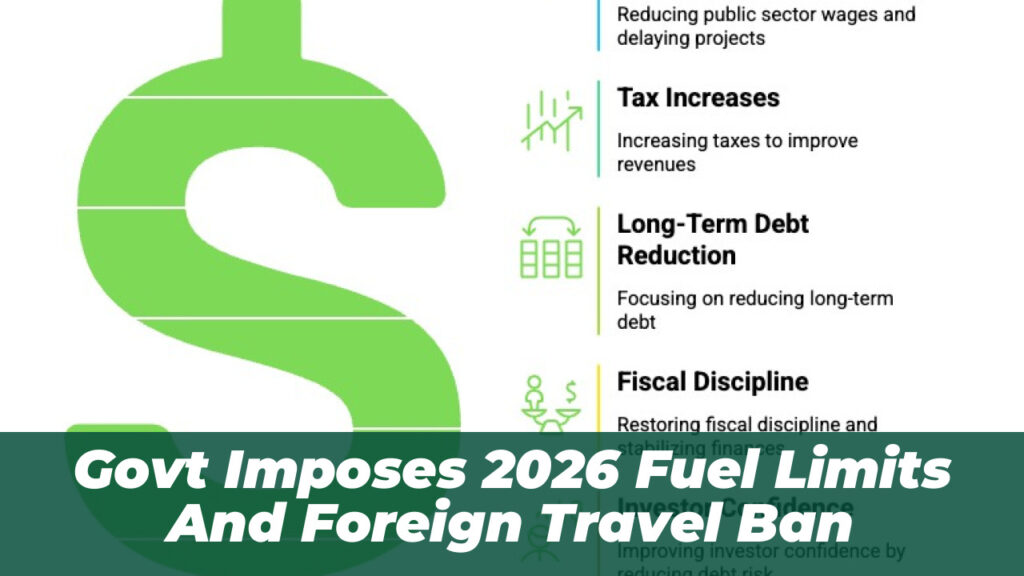
In response to prevailing regional economic challenges, the federal government has officially implemented a comprehensive series of austerity measures effective September 17, 2026. These directives, issued by the Cabinet Division, are designed to curb public expenditure, reduce petroleum consumption, and optimize administrative efficiency across all federal departments to ensure long-term fiscal stability.
1. Fuel Consumption and Budgetary Reductions
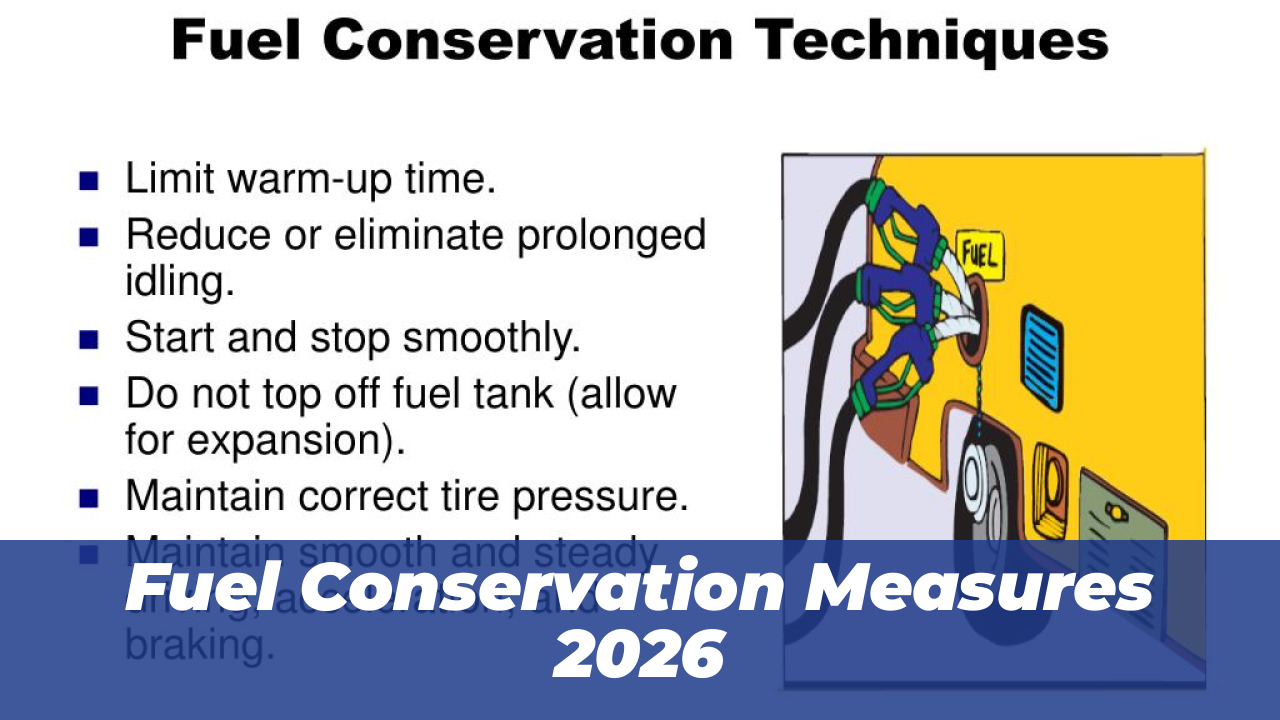
To conserve national petroleum reserves, the federal government has mandated a 50 percent reduction in fuel consumption for all official vehicles. This policy applies strictly to administrative and non-operational formations. Furthermore, a 5 percent reduction in non-development budgetary expenditures has been enforced for the fiscal year 2026-27. It is important to note that this 5% cut excludes employee salaries and standard allowances, ensuring that the primary impact remains on operational overheads rather than human capital. As the government transitions toward sustainable infrastructure, the expansion of electric public transport serves as a key parallel effort in reducing national fuel dependency.
2. Constraints on Foreign Travel
A blanket three-month ban on official foreign visits is now in effect to minimize unnecessary foreign exchange outflows. While the restriction is comprehensive, the government has provided specific protocols for unavoidable circumstances:
- Mandatory Economy Class: Any essential foreign travel by ministers, advisors, or government functionaries must be conducted in economy class, regardless of rank.
- Strategic Exceptions: Exemptions are limited to essential training arranged through the Economic Affairs Division, government-sponsored scholarship programs, and representation by ambassadors or high commissioners at obligatory international diplomatic events.
- Prior Authorization: All essential travel requests must receive formal clearance from the Ministry of Finance to ensure the necessity of the expenditure.
- Delegation Size: For international summits, delegation sizes have been capped at a maximum of three members to further restrict overhead costs.
- Virtual Participation: Where physical presence is not explicitly required by treaty or protocol, officials are mandated to utilize secure teleconferencing platforms.
3. Restrictions on Vehicle Procurement
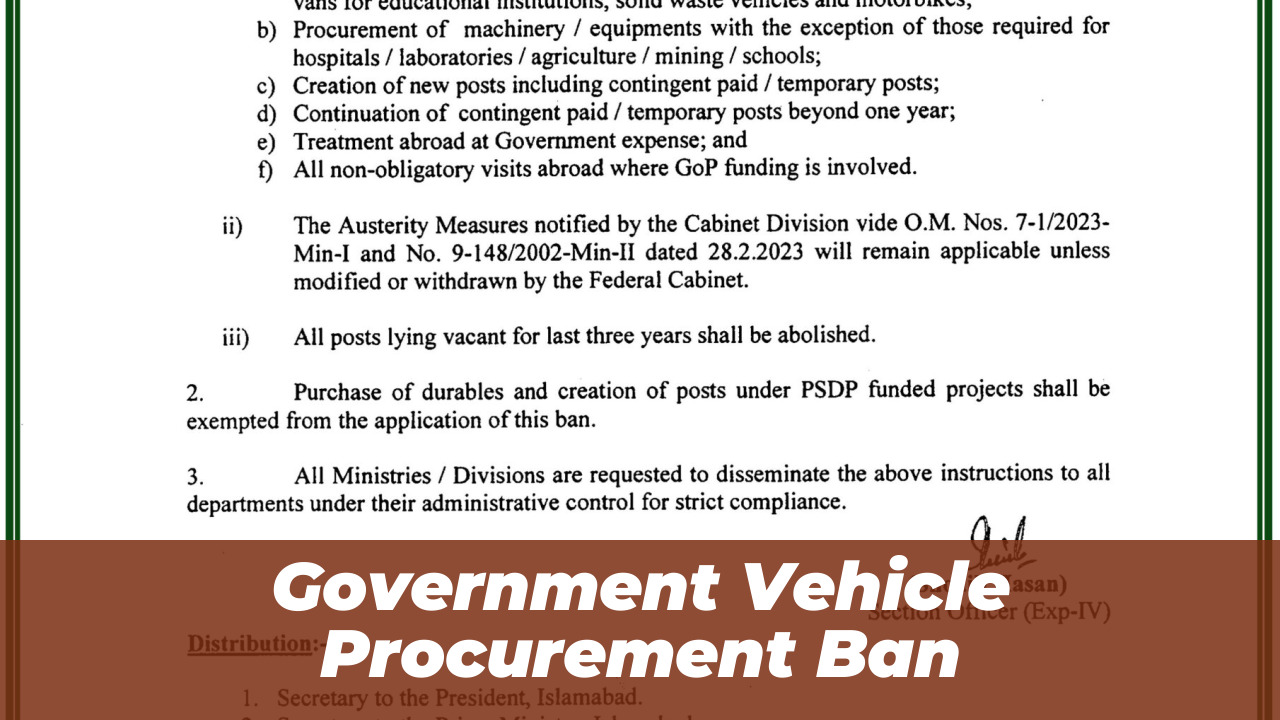
The government has imposed a complete, immediate ban on the purchase of new vehicles for federal departments. This prohibition extends to the procurement of various luxury durable goods. However, to maintain continuity in national growth, this restriction does not apply to approved development projects. IT-related equipment purchases have also been excluded from this ban to ensure the digital modernization of government services continues uninterrupted.
4. Digital Transformation and Official Functions
To reduce physical movement and associated costs, departments are now required to adopt teleconferencing as the new standard for inter-departmental coordination. Physical meetings are discouraged unless they occur within the same city. Additionally, government-funded dinners and seminars are prohibited, with the sole exception of events hosted for visiting foreign delegations. As the nation shifts toward digital efficiency, many are also looking at how new entrepreneurs are adapting to these changing economic conditions.
5. Commercial and Business Operating Hours
The government has reaffirmed the business closing schedule notified in June 2026, which remains binding for commercial entities:
- Retail and Shopping: Shops, markets, and malls must close by 9:00 PM to conserve energy.
- Event Venues: Wedding halls and marquees are required to conclude events by 10:00 PM.
- Food Outlets: Restaurants and cafes are permitted to operate until 11:00 PM, with takeaway and delivery services remaining exempt from these time constraints.
- Public Parks: Recreational spaces are encouraged to optimize lighting usage, closing by 10:00 PM.
- Utility Compliance: Failure to adhere to these timings will result in immediate inspection by local municipal authorities.
6. Critical Exemptions and Essential Services
The government has ensured that these austerity measures do not compromise public safety or essential services. The following sectors remain exempt from fuel and operational restrictions:
- Security and Enforcement: Armed Forces, Civil Armed Forces, and Law Enforcement Agencies.
- Public Health: Hospitals, clinics, medical laboratories, and pharmacies.
- Infrastructure & Utilities: Fuel and CNG stations, EV charging stations, and essential utility services (WAPDA/KESC).
- Daily Needs: Bakeries, tandoors, milk/dairy shops, and IT/Call center operations.
- Emergency Services: Fire brigades, disaster management agencies, and ambulance services.
Telecom Connectivity Packages for 2026
Stay connected while managing your budget with these updated 2026 telecom packages.
| Package Name | Price | On-Net Mins | Off-Net Mins | Internet Data | Validity | Dial Code |
|---|---|---|---|---|---|---|
| Monthly Super Offer | Rs. 850 | 3000 | 300 | 20GB | 30 Days | 777# |
| Weekly Hybrid Max | Rs. 350 | 1000 | 100 | 10GB | 7 Days | 555# |
| Daily Social Pack | Rs. 45 | 100 | 10 | 2GB | 1 Day | *222# |
Pros and Cons of Austerity Measures
| Pros | Cons |
|---|---|
| Reduced fiscal deficit | Potential slowdown in administrative speed |
| Conservation of foreign exchange | Impact on local businesses with early closing times |
| Promotion of digital governance | Increased burden on essential service logistics |
Conclusion: Fiscal Responsibility in 2026
These measures represent a strategic pivot toward fiscal consolidation. By restricting non-essential spending and prioritizing operational efficiency, the government aims to stabilize the national economy amidst 2026’s regional volatility. Departments seeking exemptions from these rules must undergo a rigorous review process by the Committee for Monitoring and Implementation of Fuel Conservation, with final approval resting with the Prime Minister’s office.