
The sanctity of a family home is built on mutual respect, but when generational differences clash with modern safety standards, the consequences can be life-altering. In a recent case that has sparked intense debate across parenting forums and legal circles in 2026, a great-grandmother has been served a strict 3-year protection order following a physical altercation with a mother in the presence of a toddler.
This incident serves as a sobering reminder that family status does not grant immunity from the law, especially when the emotional and physical well-being of a child is at stake.
The Incident: When Boundaries Were Crossed
The conflict began not with violence, but with a fundamental disagreement over safety protocols. The great-grandmother, disregarding the mother’s established boundaries, removed the toddler from the home without consent. When the mother attempted to address this breach of trust, the situation escalated rapidly.
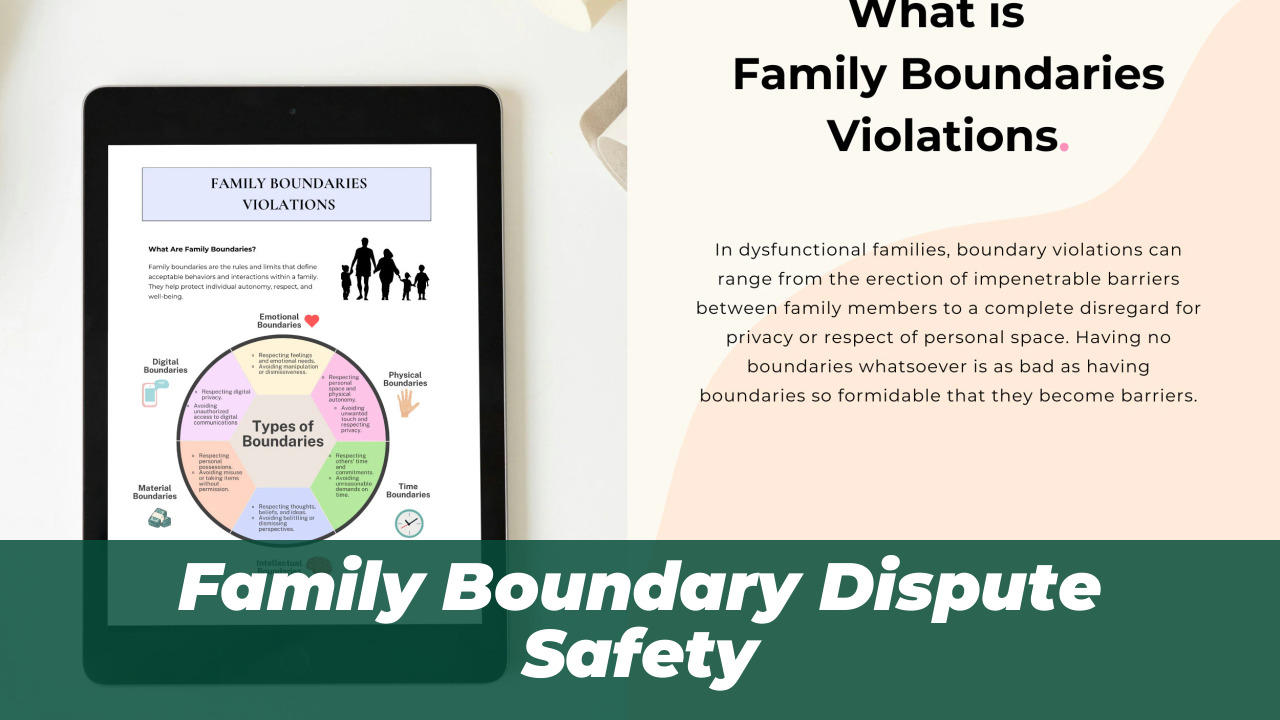
Instead of a constructive dialogue, the confrontation turned physical. The most disturbing aspect, and the one that weighed heavily on the court’s decision, was that the toddler witnessed the entire assault. In 2026, courts are increasingly viewing the presence of a child during domestic disputes as an aggravating factor, recognizing the long-term psychological toll such exposure takes on a developing mind.
Understanding the 3-Year Protection Order
A 3-year protection order is a significant legal instrument. Unlike temporary restraining orders, a three-year mandate indicates that the court found the threat to the victim, and by extension the child, to be persistent and credible.
Legal Implications in 2026:
- Mandatory Distance: The respondent is legally barred from approaching the mother’s residence, workplace, or any location frequented by the toddler.
- Zero-Contact Policy: Any attempt at communication, whether digital or through third parties, constitutes a criminal violation.
- Criminal Penalties: Violating this order in 2026 can lead to immediate arrest, significant fines, and potential incarceration, regardless of the family relationship.
- Enforcement Tracking: Local authorities now utilize digital monitoring for high-risk orders to ensure compliance with proximity restrictions.
- Custody Re-evaluation: The court-mandated separation serves as a permanent record that may influence future guardianship or visitation assessments.
The Shift: Traditional Wisdom vs. Modern Parenting
There is a growing tension between traditional wisdom the idea that elders have an inherent right to access children and modern parenting, which prioritizes the child’s safety and the parents’ autonomy. This case highlights that modern courts are no longer willing to overlook physical aggression under the guise of family dynamics. As parents navigate these complex domestic landscapes, staying informed on current family legal rights is essential for maintaining household stability.
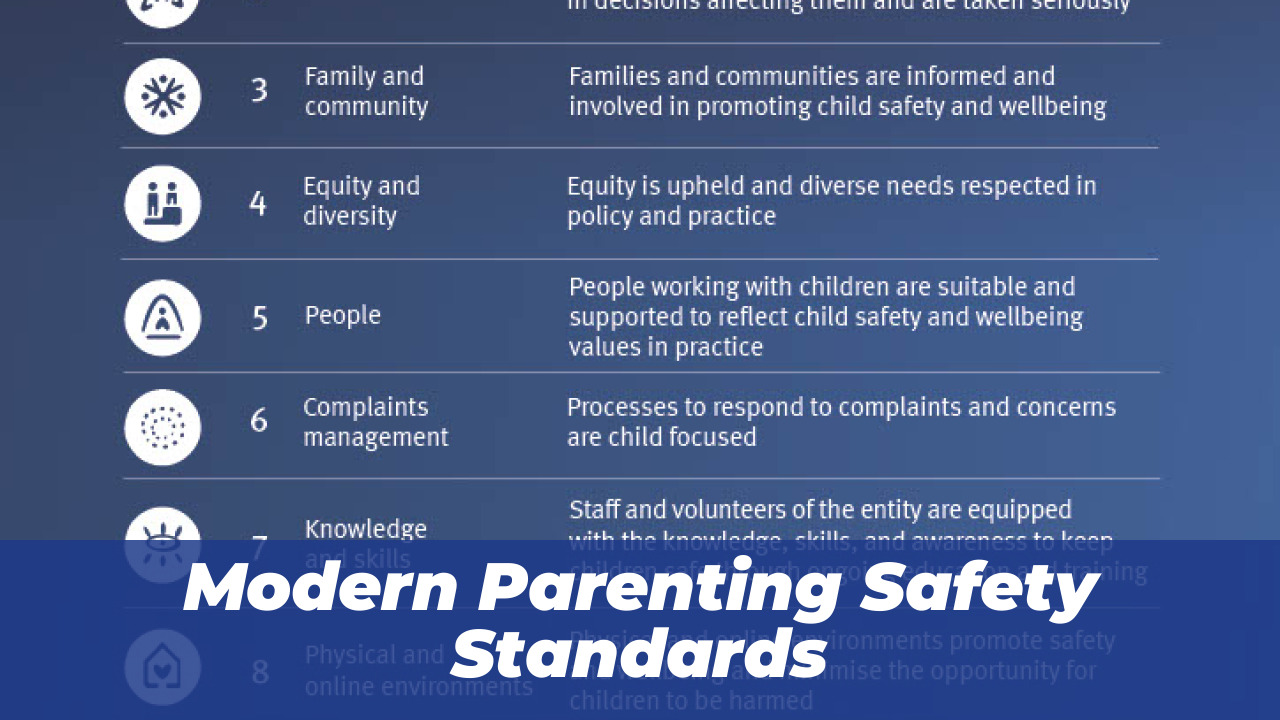
When a caregiver ignores the primary parent’s rules, they are not just disrespecting an adult; they are undermining the protective environment required for a child to thrive. If you are managing professional responsibilities alongside these personal challenges, it is important to utilize reliable workforce solutions to ensure your career remains stable during stressful family transitions.
Expert Insight: Setting Healthy Boundaries with Extended Family
To prevent such catastrophic outcomes, legal and child development experts in 2026 suggest the following approaches to family boundary issues:
- Clear Communication: Establish safety rules early and in writing, ensuring all parties acknowledge the expectations.
- Consistency: Never allow a boundary to be crossed without a firm, calm correction.
- Prioritize the Child: If a family member’s behavior causes distress to the toddler, their access must be restricted until they demonstrate an understanding of the child’s needs.
- Third-Party Mediation: Utilize professional family counseling to mediate disagreements before they reach the point of legal intervention.
- Emergency Planning: Maintain a documented safety plan that includes designated contacts in case of a domestic escalation.
The Verdict on Child Safety
The court’s decision to impose a 3-year protection order sends a clear message: the safety of a child is paramount. While family bonds are intended to be a source of support, they cannot be used as a shield for volatile behavior. In 2026, the law is clear: parental authority and child safety take precedence over traditional expectations.
Specifications Table: Protection Order Summary
| Feature | Details |
|---|---|
| Order Duration | 3 Years |
| Primary Protected Parties | Mother & Toddler |
| Legal Status | Non-negotiable Court Mandate |
| Violation Penalty | Immediate Arrest/Incarceration |
| Focus | Child Safety & Domestic Peace |
Pros & Cons of Legal Intervention
Pros:
- Provides immediate legal safety for the child.
- Clearly defines physical and digital boundaries.
- Establishes a record of the incident for future custody hearings.
- Acts as a deterrent against further escalation.
Cons:
- Causes significant strain on extended family relationships.
- Requires rigorous enforcement and documentation.
- Can be emotionally taxing for all parties involved.
- May lead to long-term alienation within the family unit.
Disclaimer
This article provides a summary of legal consequences based on recent 2026 case developments. Legal outcomes are highly dependent on specific jurisdictional laws and the nuances of individual cases. If you are facing family conflict or domestic safety concerns, please consult with a qualified legal professional in your area.