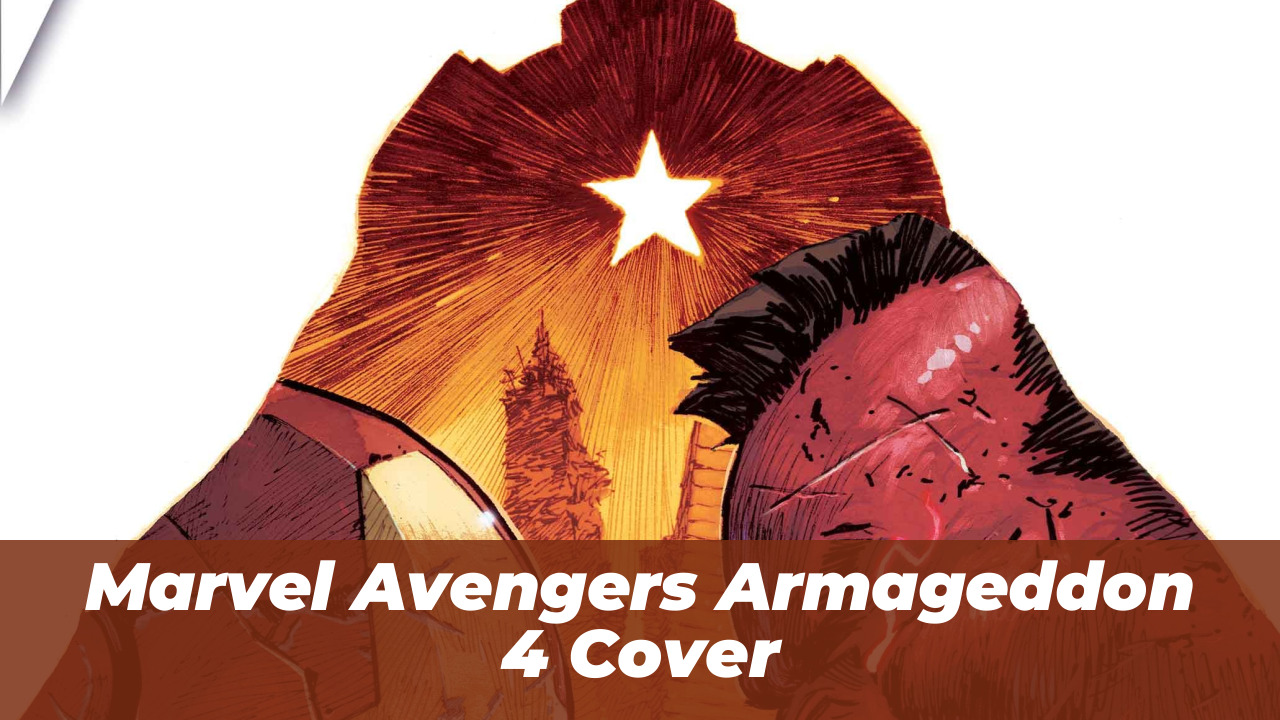
Marvel Comics has long thrived on archetypes, but the latest turn of events in Avengers: Armageddon #4 (2026) has sparked a firestorm among long-time readers. By transforming David Colton into a modern iteration of Miracleman, Marvel has inadvertently created its most redundant “Superman-esque” character to date. While the creative team of Chip Zdarsky, Delio Diaz, and Frank Alpizar aimed for a high-stakes power shift, the result feels less like an evolution and more like a desperate reach into a tired playbook that lacks the nuance required for today’s market.
The “Kimota” Controversy: Breaking Down Avengers: Armageddon #4
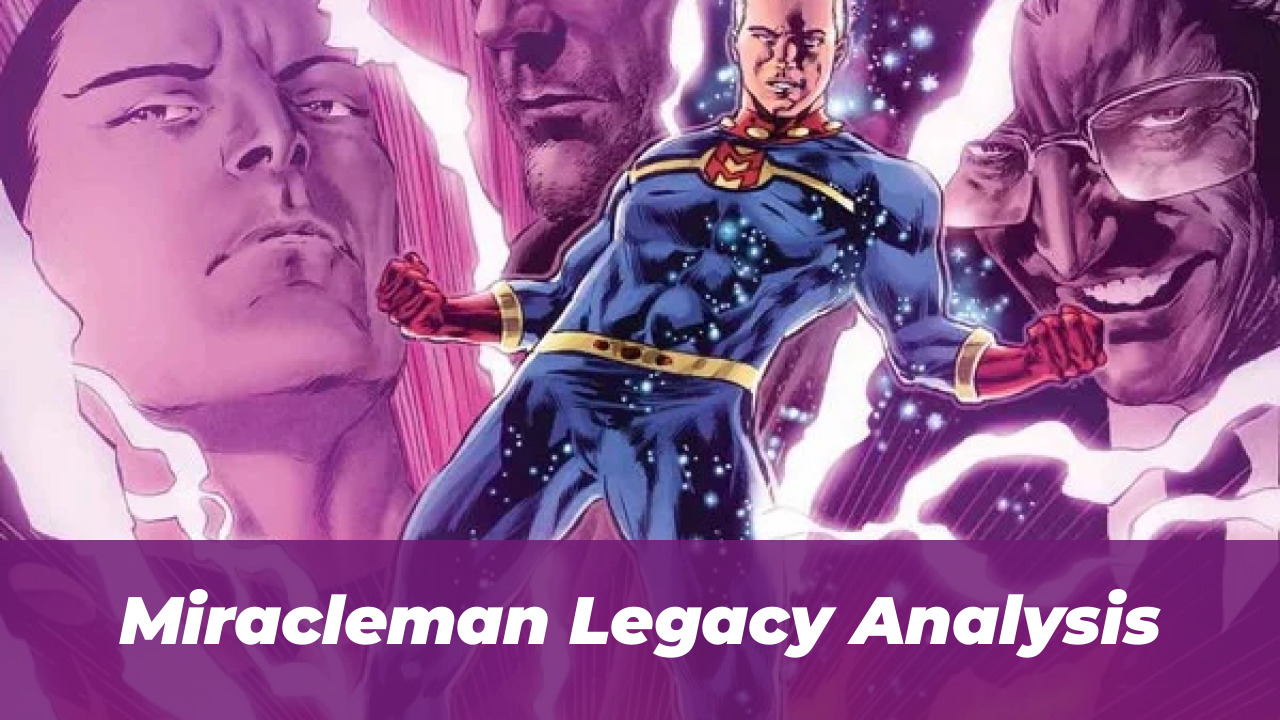
The core of the issue lies in the execution of Colton’s transformation. Using the iconic “Kimota” trigger to shift Colton into a god-like entity within the Earth-616 continuity feels forced and narratively thin. For those who have followed the character’s history since his 1954 roots as a Captain Marvel substitute, this transition feels like a hollow shell of the original. In 2026, readers expect deeper character development than simply grafting a legacy power-set onto a “failed Captain America” experiment. The reliance on nostalgia without subversion has left many long-term fans frustrated by the lack of original direction.
Why David Colton Feels Like a Derivative Superman Clone
The narrative choice to make Colton a “Superman clone” ignores the current fatigue comic fans are feeling toward invincible, god-like figures. Unlike characters who earned their status through years of struggle, Colton’s sudden jump in power feels like a narrative shortcut. It strips away the vulnerability that made him an interesting side-character, replacing it with a trope that we have seen executed better by other writers in the past. When a character’s defining trait becomes “indestructibility,” the stakes of any conflict immediately evaporate, leaving the reader with little reason to invest in the outcome.
The Redundancy Problem: Comparing Colton to Marvel’s Existing Powerhouses
Marvel already possesses a surplus of “Superman-like” figures, making the introduction of David Colton feel like a redundant exercise in branding. Below is a detailed breakdown of how this new iteration struggles to justify its existence within the crowded 2026 comic landscape:
| Character | Origin Archetype | Unique Selling Point | 2026 Status |
|---|---|---|---|
| Hyperion | Eternal/Alternate Earth | The “Superman” of the Squadron Supreme | High Relevance |
| Gladiator | Shi’ar Empire | Confidence-based strength | Iconic |
| Sentry | The “Golden Man” | Psychological instability | Complex |
| Blue Marvel | Scientific Paragon | Intellectual/Cosmic balance | Stable |
| David Colton | Miracleman Clone | Magic-word transformation | Redundant/Forced |
The Legacy Conflict: Ignoring Miracleman’s Deconstructionist Roots
The true tragedy of this arc isn’t just that it feels derivative; it’s that it ignores the character’s legacy. Miracleman was once the gold standard for deconstructing the “Superman” mythos. By stripping away that nuance and turning Colton into a standard-issue powerhouse in Avengers: Armageddon, Marvel has flattened a character who once stood for something much more profound. It is similar to how shows that improved post-recast manage to reinvent themselves through bold choices, whereas this arc feels like a stagnant return to familiar, uninspired ground.
Is Marvel Running Out of Original Ideas? The 2026 Sentiment
The 2026 comic book market is shifting toward experimental storytelling, yet Marvel continues to lean on the “dark god-like hero” trope. This repetition is fueling a sentiment that the editorial team is playing it safe rather than taking risks. When you look at how the broader entertainment industry is evolving much like how tech firms are prioritizing high-end hardware innovation in 2026 it becomes clear that creative longevity requires a willingness to evolve. Unfortunately, this current Avengers arc is sorely lacking that innovative spirit.
The Verdict: Can the Avengers: Armageddon Narrative Recover?
Can Marvel save the David Colton arc? It would require a massive pivot away from the “Superman rip-off” label. Unless Zdarsky and his team can introduce a psychological or narrative cost to the “Kimota” transformation that extends beyond mere physical strength, this will likely be remembered as one of the biggest creative missteps of the year. For now, it stands as a cautionary tale of what happens when a publisher prioritizes legacy tropes over character-driven storytelling.