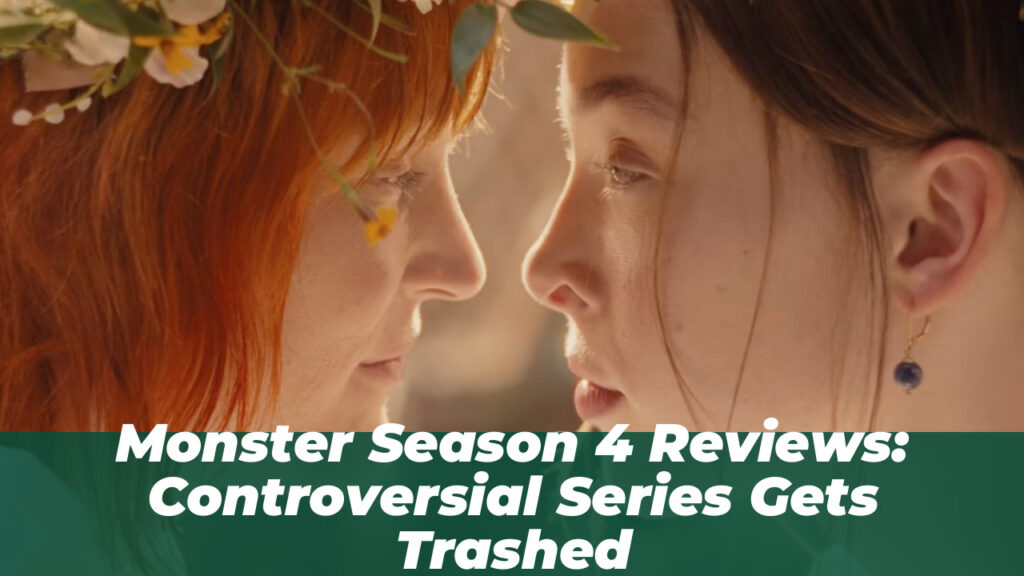
The Ryan Murphy machine has churned out yet another installment of his polarizing Monster anthology series. With the release of Monster: The Lizzie Borden Story on September 17, 2026, Netflix has once again ignited a firestorm of debate. While the show has skyrocketed to the top of the Netflix viewership charts, the critical and audience reception tells a drastically different story. From accusations of historical revisionism to debates over its ‘campy’ tone, the fourth season is currently being ‘trashed’ on review aggregation sites like Rotten Tomatoes.
In this deep dive, we explore why this season has become one of the most divisive entries in the franchise, how it stacks up against its predecessors, and what the critics are actually saying about this bold, albeit messy, reimagining of one of America’s most famous cold cases.
## The Premise: A Radical Shift in Tone
Unlike the grim, hyper-realistic, and often devastatingly serious tone of previous Monster iterations, Monster Season 4 takes a sharp left turn. Starring Ella Beatty as the infamous axe-wielding spinster Lizzie Borden, the season attempts to blend true crime with dark, theatrical comedy.
### Key Production Details
* Showrunners: Ryan Murphy and Ian Brennan.
* Lead Actress: Ella Beatty as Lizzie Borden.
* Key Cast: Vicky Krieps, Charlie Hunnam, Rebecca Hall, Sarah Paulson, and Jessica Barden.
* Release Date: September 17, 2026.
* Platform: Netflix.
The creative team has openly admitted that this season was designed to be ‘punk’ and ‘theatrical,’ drawing inspiration from farcical stage plays rather than traditional historical documentaries. However, this departure has left many long-time fans of the anthology feeling alienated.
## Rotten Tomatoes: A Tale of Two Scores
The divide between the ‘Netflix effect’ (high viewership) and the critical consensus is stark. As of mid-September 2026, the metrics on Rotten Tomatoes paint a picture of a series struggling to find its footing with its core audience.
| Metric | Score | Sentiment |
| :— | :— | :— |
| Tomatometer (Critics) | 50% | Mixed / Lukewarm |
| Popcornmeter (Audience) | 27% | Mostly Negative |
This 27% audience score is particularly damning for a franchise that previously relied on high engagement to justify its production. While critics are somewhat split, the general viewing public has largely rejected the show’s stylistic choices.
## What the Critics Are Saying
The critical discourse surrounding Monster Season 4 is a fascinating case study in the subjective nature of ‘prestige’ television.
### The Positive Perspectives
* Variety Magazine: Lauded the show for its unique tone, noting that it brings a ‘refreshing and wholly unique’ perspective to the anthology format.
* Aramide Tinubu: Highlighted how the season breaks away from the repetitive structure of previous installments, praising the decision to avoid a linear, documentary-style retelling.
* Joel Keller (Decider): Specifically pointed to the chemistry between Vicky Krieps and Ella Beatty as a high point, while also commending the show’s commitment to ‘gruesome visuals.’
### The Negative Critiques
* The Guardian (Lucy Mangan): While acknowledging the ‘great performances,’ Mangan criticized the lack of focus on the titular character, arguing that the direction feels scattered and inconsistent.
* Collider (Gabrielle Moss): Delivered one of the harshest assessments, labeling the show a ‘romantic melodrama’ rather than a crime story. Moss described the season as ‘campy,’ ‘frustrating,’ and ultimately a ‘mess.’
* Political Framing: A common complaint among critics is the show’s attempt to frame revenge murder as a ‘feminist project,’ which many found to be a shallow and poorly executed narrative device.
## Historical Inaccuracy: Fact vs. Fiction
One of the most persistent criticisms of Ryan Murphy’s Monster series is its flagrant disregard for historical truth. The Lizzie Borden Story is no exception.
### Common Historical Departures
1. The Murders: The show depicts the killings as a drawn-out, multi-day affair. In reality, the murders occurred within a two-hour window.
2. Bridget Sullivan: The show portrays the maid as Lizzie’s lover and accomplice. Historical evidence for this is non-existent; in fact, the two were not particularly close.
3. Andrew Borden’s Profession: While Andrew was a businessman, the show takes significant creative liberties with his financial dealings to serve its theatrical narrative.
## The Future of the ‘Monster’ Brand
Monster: The Lizzie Borden Story serves as a case study in the tension between creative experimentation and brand expectations. By prioritizing theatricality over the grounded, investigative tone of previous seasons, the show has successfully captured attention but at the cost of its reputation for serious, prestige storytelling.
For viewers, the consensus is clear: if you are seeking a faithful adaptation of the 1892 case, this season will likely frustrate you. However, for those who appreciate stylized, over-the-top character studies and are willing to overlook historical inaccuracies, the season offers a bold, if messy, experiment in modern television.