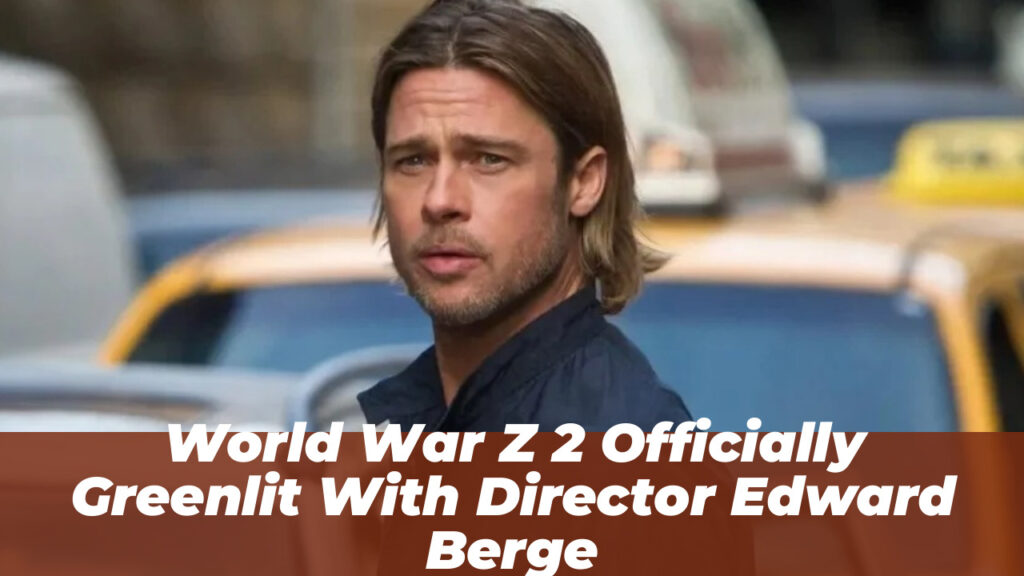
The cinematic landscape is buzzing with the long-awaited revitalization of one of the most resilient franchises in recent history. As of September 18, 2026, Paramount Pictures has officially breathed new life into the World War Z sequel, a project that has remained a tantalizing “what if” for over a decade. Brad Pitt, who anchored the 2013 original as the intrepid United Nations investigator Gerry Lane, is confirmed to reprise his role, signaling a major commitment from both the studio and the star. The 2013 film, which became a global phenomenon with a $540 million box office haul, established a unique cinematic vision for the zombie genre. With this latest update, fans can finally look forward to the continuation of a story that redefined high-stakes survival horror on a grand, international scale, marking a pivotal moment for blockbuster filmmaking. This announcement serves as a massive milestone, effectively ending years of speculation and confirming that the studio is ready to invest heavily in the future of this intellectual property. The scale of the production is expected to match or exceed the original, ensuring that the visual spectacle remains a primary draw for global audiences while grounded in a more mature, character-focused narrative.
The appointment of Edward Berger as director is arguably the most significant development in the project’s history. Berger, fresh off his recent Oscar-winning successes, brings a level of prestige and technical precision that promises to elevate the franchise beyond traditional creature-feature tropes. His ability to balance visceral, high-tension sequences with profound human drama makes him an ideal candidate to helm a project of this magnitude. The creative synergy between Berger and Brad Pitt was solidified during their recent collaboration on the A24 and Scott Free production The Riders. This professional rapport appears to be the catalyst that finally moved the sequel out of the stagnation that plagued it for years. By tapping a filmmaker with Berger’s distinct directorial voice, Paramount is clearly aiming for a sequel that possesses both the scale of a summer tentpole and the narrative depth of an awards-contending drama. Berger’s involvement signals a strategic shift for the studio: prioritizing auteur-driven storytelling to ensure the sequel feels like a necessary evolution rather than a mere cash-grab, setting a new standard for how major intellectual properties are handled in the modern era. Berger’s reputation for meticulous world-building and his keen eye for atmospheric tension will undoubtedly be the driving forces that differentiate this installment from its predecessor.
The road to this announcement has been famously arduous, marked by a decade of “development hell” that saw the project cycle through multiple iterations. Following the success of the 2013 original, expectations were sky-high, yet the path to a sequel was consistently obstructed by shifting studio priorities and budgetary hurdles. Over the years, the project became a revolving door for some of Hollywood’s most celebrated visionaries. Notable figures such as J.A. Bayona were initially attached to direct, bringing their own unique sensibilities to the table, but those versions ultimately failed to reach production. Perhaps most famously, David Fincher a frequent collaborator of Brad Pitt was brought on board to steer the sequel in a more cerebral, grounded direction. Despite the immense excitement surrounding a Fincher-led World War Z, the project eventually collapsed, reportedly due to the immense scale and the financial constraints inherent in mounting such a sprawling global narrative. The industry watched closely as the project faltered, often citing the complexities of international filming schedules and the logistical nightmares of coordinating a cast of thousands as significant deterrents to moving forward.
For years, the status of the sequel remained a subject of intense industry speculation. It wasn’t until a recent alignment of interests between Paramount executives Josh Greenstein and Dana Goldberg, and Skydance founder David Ellison, that the project found its footing again. These leaders identified the franchise as a cornerstone of the studio’s future slate, viewing the untapped potential of the source material as a priority. This renewed corporate focus, combined with the successful negotiation of new talent contracts, finally cleared the path for the project to move from the drawing board into active development. The history of this sequel serves as a testament to the volatility of major film production, where even the most bankable properties can languish for years before finally finding the right team to bring them to the screen. The persistence shown by the production team in navigating these turbulent waters highlights a genuine belief in the franchise’s longevity and its ability to resonate with modern audiences who have a renewed appetite for high-concept, intelligent genre storytelling.
The structural backbone of the new production is as formidable as its director. Screenwriter Dennis Kelly has been tasked with crafting the script, bringing a sharp, contemporary edge to the narrative. Kelly’s reputation for intricate storytelling will be vital in expanding the world established in the first film. Behind the scenes, the project is being shepherded by Plan B Entertainment, the powerhouse production company founded by Brad Pitt, Dede Gardner, and Jeremy Kleiner. Their involvement ensures that the creative integrity of the project remains a primary focus. Plan B has a storied history of producing high-quality, character-driven cinema, and their deep involvement here suggests that the sequel will maintain the human-centric approach that made Gerry Lane such a compelling protagonist. Furthermore, Edward Berger will serve as an executive producer, ensuring his vision is woven into the very fabric of the film’s development. This tight-knit team, characterized by a blend of long-standing industry expertise and fresh, award-winning perspectives, provides the stability the franchise has lacked for years, positioning it for a successful transition into production. The collaboration between these entities represents a convergence of artistic ambition and commercial viability, which is essential for a project of this scale to succeed in today’s competitive box office environment.
While official plot details remain tightly under wraps, speculation regarding the sequel’s narrative direction is rampant. The original film was only loosely inspired by Max Brooks’ 2006 novel, World War Z: An Oral History of the Zombie War. Brooks’ source material is a dense, geopolitical masterpiece that documents the global collapse and eventual recovery from a zombie pandemic, told through a series of disparate interviews. The first film focused primarily on the initial outbreak and the desperate search for a vaccine. With the world now aware of the threat, the sequel has a vast canvas to explore. Will the film lean into the “Oral History” aspect, perhaps utilizing a documentary-style framing device to show the long-term societal changes? Or will it continue to follow Gerry Lane as he navigates the remnants of a fractured global infrastructure? The narrative possibilities are nearly limitless given the scope of the original book’s world-building, which spans across continents and addresses the political, social, and military responses to a global existential threat.
There is significant potential to explore the “clean-up” phase of the war the harrowing efforts to reclaim territory and rebuild nations. Given Edward Berger’s penchant for exploring the psychological toll of conflict, it is likely the sequel will delve deeper into the trauma of the survivors and the moral compromises required to survive in a post-outbreak world. The global scope of the novel also allows for the introduction of new locales and diverse perspectives that were only hinted at in the 2013 film. Whether the sequel chooses to adapt specific chapters from the book or chart an entirely new course, the narrative must grapple with the evolution of the infected and the resilience of humanity. Fans are eager to see if the film will maintain the frenetic, swarming intensity of the original zombies or if the threat will evolve into something more insidious and calculated, reflecting the deeper, more complex themes inherent in Brooks’ writing. This shift toward a more introspective look at the human condition in the face of near-extinction is what many critics believe will elevate the sequel beyond the standard action fare associated with the zombie genre.
As of September 18, 2026, the future of the World War Z franchise has never looked brighter. By securing an Oscar-winning director in Edward Berger and re-engaging the creative power of Plan B Entertainment, Paramount has successfully signaled that this sequel will be a major, high-priority event for the studio. While an official release date has yet to be announced, the transition from development limbo to active production is a massive victory for fans who have waited over a decade for this moment. The combination of established star power, a refined creative team, and a renewed studio mandate suggests that the next chapter of the zombie blockbuster will be well worth the wait. As the industry turns its eyes toward this project, the stage is set for a cinematic comeback that could redefine the genre once more. The anticipation is palpable, not just for the spectacle of the undead, but for the sophisticated storytelling that Berger and his team are expected to deliver. The franchise is poised to reclaim its place at the top of the summer box office, proving that even after years of uncertainty, a well-crafted vision can bring the dead back to life in the most spectacular fashion imaginable.
Frequently Asked Questions (FAQ)
Q: Who is directing the World War Z sequel?
A: The sequel is being directed by the Oscar-winning filmmaker Edward Berger, known for his precision and ability to craft intense, human-centric dramas.
Q: Is Brad Pitt returning for the movie?
A: Yes, Brad Pitt is confirmed to reprise his role as Gerry Lane, as well as produce the film through his company, Plan B Entertainment.
Q: When will the film be released?
A: As of September 18, 2026, an official release date has not yet been announced, though the project is now in active development.
Q: Will the sequel follow the original book closely?
A: While plot details are under wraps, the film is expected to draw further inspiration from Max Brooks’ World War Z novel, potentially exploring the global rebuilding phase following the initial outbreak.
Q: Why was the project in development for so long?
A: The project faced numerous hurdles, including shifting studio leadership, budgetary constraints, and the departure of several high-profile directors, such as David Fincher, before finally finding its current momentum.