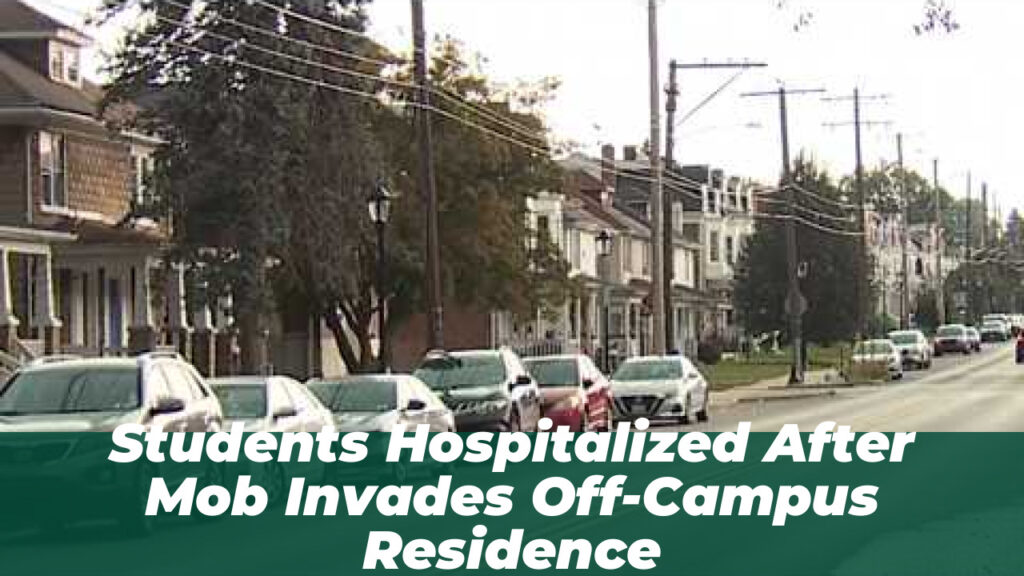
A wave of violence has swept through the University of Wisconsin-Madison community following a targeted mob invasion of an off-campus residence on Langdon Street. The brutal assault, which left three students hospitalized with serious injuries, has forced a difficult conversation regarding the safety protocols for those living outside the immediate reach of campus security patrols in the downtown Madison area. The Madison Police Department is currently leading the investigation into the incident, which occurred late Tuesday night.
As investigators piece together the events, the student body is demanding accountability from both academic leaders and local authorities. The incident has prompted significant debate regarding the protection of students in off-campus housing environments, particularly in high-density areas where private rentals often lack the security infrastructure found on university property.
Anatomy of the Off-Campus Assault
The incident began shortly after midnight when a large group of unidentified individuals descended upon a residence populated by students. Witnesses describe the mob breaching the front entrance with calculated aggression, quickly overwhelming the occupants who were caught completely off guard by the sudden intrusion. Within minutes, the situation escalated from a home invasion into a systematic act of physical violence. The perpetrators moved through the property with speed, ensuring that no room remained secure before fleeing the scene into the surrounding neighborhood.
The brutality of the assault has shocked the community, with reports confirming that victims were beaten until they lost consciousness. Witnesses and preliminary medical reports from UW Health indicate that the attackers utilized excessive force, including dragging students across floors and striking them with blunt objects. The severity of these injuries highlights the malicious intent behind the mob’s actions. Medical professionals are currently treating the survivors for significant trauma as investigators work to document the full extent of the physical harm inflicted during the encounter.
Institutional Response and Public Outcry
University of Wisconsin officials are facing intense criticism for their perceived lack of oversight regarding off-campus student safety. Many argue that the institution failed to provide adequate resources or warnings about the escalating tensions in the neighborhood surrounding the campus. Critics claim that the administration has prioritized the expansion of the student population while neglecting the necessary infrastructure for security. This perceived negligence has created a vacuum where students feel abandoned by the very institution meant to protect them.
Local law enforcement is also under scrutiny for the duration it took to arrive at the scene of the crime. Students and residents have voiced frustrations that the police presence was insufficient to deter the mob or provide timely assistance to those under attack. Questions regarding patrol routes and emergency dispatch protocols are now at the forefront of the public discourse. Community members are calling for a transparent review of the response logs to understand why the perpetrators were allowed to escape without immediate apprehension.
The Impact on Student Safety
The female student demographic has expressed a profound sense of vulnerability following the attack. Many report that they no longer feel secure in their own homes, leading to a widespread reluctance to walk alone or stay in off-campus housing after dark. This atmosphere of fear is altering the day-to-day lives of students who now view their environment as a potential threat. The psychological toll of the incident is expected to persist long after the physical wounds of the victims have healed.
In response to the violence, student organizations have begun mobilizing to demand comprehensive safety reforms. These groups are pushing for the implementation of enhanced lighting, increased patrols, and better communication channels between the university and off-campus residents. The grassroots movement emphasizes that safety should not be contingent on living within the physical boundaries of the campus. These activists are determined to hold stakeholders accountable until tangible changes in security policy are enacted.
Ongoing Investigation and Legal Implications
The Madison Police Department has launched a massive investigation to identify the individuals involved in the mob invasion. Detectives are currently gathering forensic evidence and reviewing surveillance footage from neighboring properties to piece together the events of that night. The success of the investigation depends on the cooperation of witnesses and the analysis of digital data. Authorities have urged anyone with information to come forward, promising that every lead will be pursued to bring the perpetrators to justice.
Legal experts suggest that those involved in the attack could face severe criminal charges, including aggravated assault and home invasion. The state is expected to pursue the maximum penalties allowed by law to send a clear message that such violence will not be tolerated. The prosecution is preparing a case that emphasizes the coordinated nature of the assault. By categorizing the event as a mob-led attack, investigators hope to secure convictions that reflect the gravity of the injuries sustained by the victims.
Comparative Analysis of Campus Security Trends
This incident underscores a growing trend where off-campus housing is increasingly targeted due to perceived security gaps. Unlike on-campus dormitories, these residences often lack the controlled access points and constant surveillance that act as primary deterrents for criminals. The disparity in security standards between campus property and private rentals creates a dangerous environment for students. This event serves as a warning that urban expansion must be accompanied by a robust strategy for protecting the student population.
Universities across the country are now reevaluating their liability policies in light of this incident. There is a movement toward taking more responsibility for the well-being of students, even those residing in private off-campus accommodations. Legal departments are likely to recommend stricter safety guidelines to mitigate the risk of future lawsuits. The evolving landscape of higher education will necessitate a closer partnership between universities, landlords, and local police forces to ensure a safer environment.
Community and Student Activism
Students are organizing a series of peaceful protests to maintain pressure on university leadership. These events are intended to highlight the urgency of the situation and ensure that the incident is not pushed out of the public consciousness. Beyond protests, safety initiatives such as volunteer escort services and neighborhood watch programs are being established. These grassroots efforts aim to fill the gaps left by institutional failures while fostering a stronger sense of community solidarity.
A network of support has emerged to assist the victims of the assault as they navigate their recovery. Counseling services, legal aid, and financial support funds have been mobilized by the student body to ensure that the survivors are not left to face the aftermath alone. This collective response demonstrates the resilience of the student community. By rallying around those affected, the student body is sending a defiant signal that they will not be intimidated by acts of senseless violence.
Frequently Asked Questions
What is the current status of the victims? The victims are receiving medical attention and trauma counseling. The university has committed to providing academic accommodations to ensure they do not fall behind in their studies during this difficult time.
How are students responding to the lack of security? Students are reacting with organized activism. Many have formed safety committees to monitor local areas and are actively pressuring the university administration to invest in improved security infrastructure for all off-campus housing.
Have any suspects been apprehended by police? As of September 18, 2026, the investigation remains active. Authorities are currently processing evidence collected at the scene and have not yet released the names of suspects, though they indicate that leads are being pursued aggressively.
What steps is the university taking to improve safety? The university has promised a comprehensive review of its security protocols. This includes potential increases in campus police patrols in high-density student residential areas and the development of new safety mobile applications for students living off-campus.
The brutal invasion of the off-campus residence has served as a painful wake-up call for the entire university community. It is clear that the status quo is no longer sustainable and that systemic changes are required to ensure the safety of all students.
Justice for the victims remains the primary goal of the ongoing investigation. As the community continues to advocate for reform, the focus must remain on creating an environment where students can pursue their education without the shadow of violence looming over them.