As we navigate the latter half of 2026, the global semiconductor landscape is undergoing a seismic shift. SK Hynix, a global leader in High Bandwidth Memory (HBM), is currently in exploratory talks to establish its first memory chip manufacturing facility on US soil. This move, potentially involving Intel’s massive Ohio infrastructure, is not merely a corporate expansion; it is a strategic response to the aggressive tariff policies and the insatiable demand for AI-driven memory solutions. With production timelines for major US projects now pushed toward 2030, this partnership could serve as a crucial bridge to stabilize the supply chain.
The Catalyst: Why 2026 is the Turning Point for US-Based Memory Production
The semiconductor industry is currently facing a dual challenge: a massive AI-driven memory demand and a fragmented global supply chain. For years, memory production was concentrated in Asia to leverage cost efficiencies. However, the 2026 market reality has changed. With geopolitical tensions rising and the threat of substantial tariffs on imported components, SK Hynix is under immense pressure to localize production.
Furthermore, the surge in AI infrastructure requires reliable, high-speed HBM chips that are closer to the end-users specifically the major cloud service providers in the United States. This shift is not just about logistics; it is about building a resilient, sovereign semiconductor ecosystem that can withstand future global disruptions. Ensuring that such large-scale technical projects have access to qualified personnel is critical, and firms are increasingly relying on specialized staffing agencies to manage the complex talent acquisition required for high-tech industrial operations.
Strategic Breakdown: The Potential Intel-SK Hynix Partnership Model
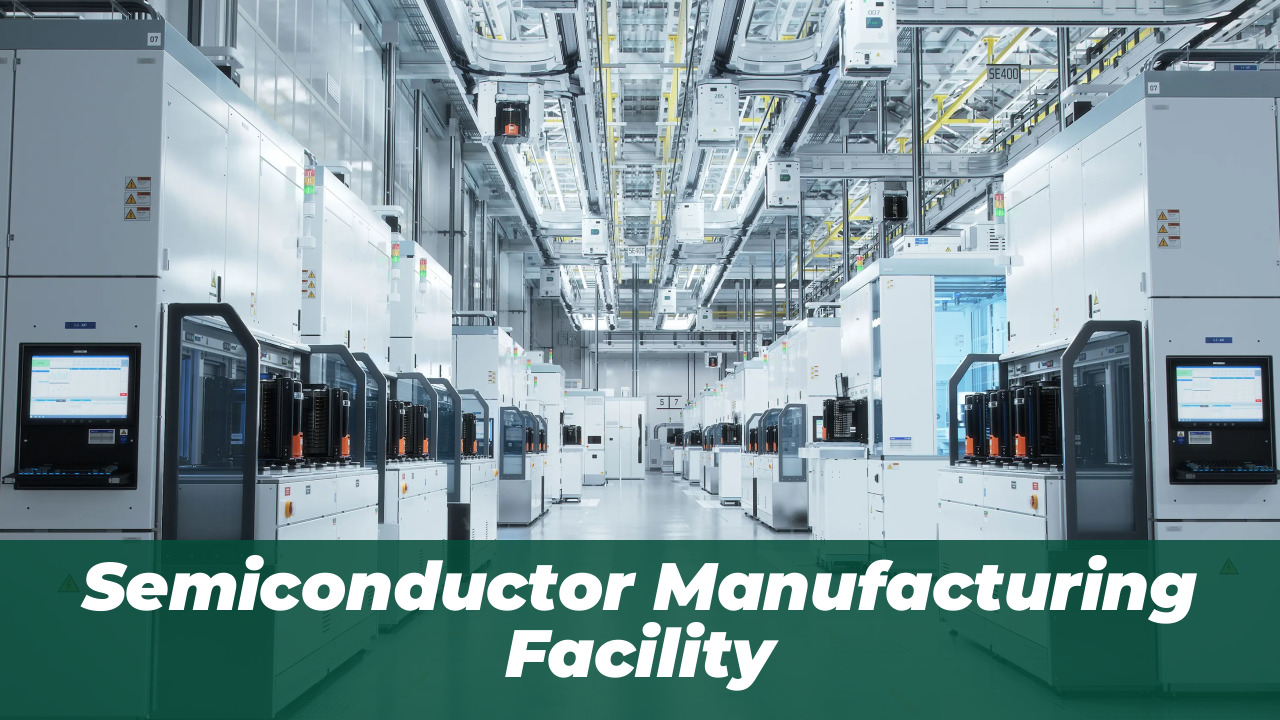
To navigate the complexities of US manufacturing, SK Hynix is evaluating various operational frameworks. Integrating into existing facilities, such as the Intel Ohio site, offers a shortcut to infrastructure that would otherwise take years to build from scratch.
| Partnership Type | Strategic Focus | Projected Timeline | Primary Benefit |
|---|---|---|---|
| Infrastructure Lease | Facility Utilization | 2027-2030 | Reduced Capital Expenditure |
| Joint Venture Model | Co-Development | 2028-2035 | Shared R&D and Risk Mitigation |
| Supply Chain Integration | Logistics Optimization | 2026-2029 | Localized Market Access |
| Technology Transfer | IP Licensing | 2029-2032 | Accelerated Production Yield |
The primary objective here is clear: Intel requires a high-value partner to justify its massive investment in the Ohio site, while SK Hynix needs a localized presence to mitigate the risk of trade barriers. By integrating HBM production within the US, SK Hynix can effectively secure its position as the primary supplier for US-based AI giants.
Technical Hurdles: Can US Manufacturing Compete with Asian Efficiency?
While the political will is there, the operational reality is complex. Manufacturing memory chips is a delicate, high-precision process. Asian facilities benefit from decades of refined supply chains and specialized labor pools. In the United States, the high cost of construction, coupled with a shortage of specialized semiconductor technicians, poses a significant risk to the project’s bottom line.
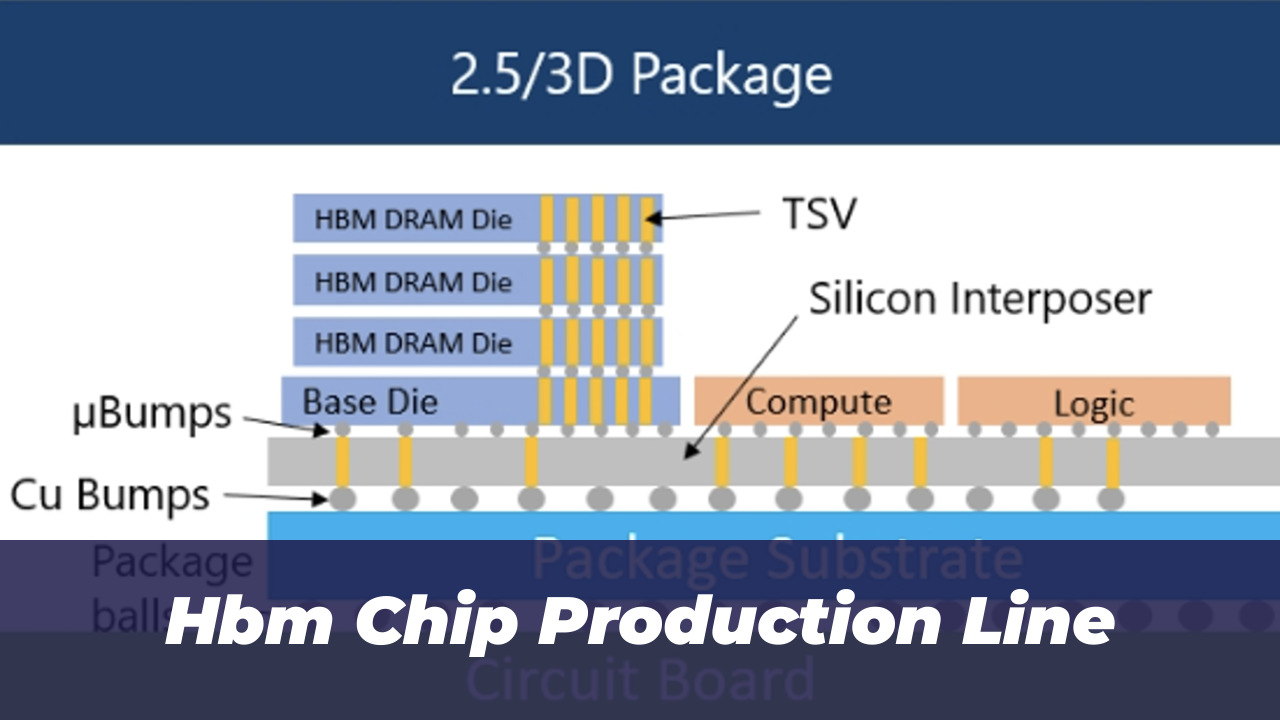
To succeed, any US-based facility must leverage advanced automation and AI-driven quality control. These technical hurdles are exactly why the industry is looking at a 2030-2031 horizon for full-scale, high-yield production. It is not just about building a factory; it is about replicating an entire industrial ecosystem.
The Regulatory Tightrope: South Korea’s National Core Technology Mandate
While the business case for a US factory is compelling, the path is fraught with regulatory complexities. South Korea’s Industrial Technology Protection Act classifies advanced DRAM and HBM manufacturing as national core technology. Any move to shift these operations to the United States requires rigorous government review to prevent the leakage of proprietary R&D.
Moreover, the tension between the South Korean government’s push for domestic investment supported by their recent $38.3 billion incentive package and the external pressure to manufacture in the US creates a delicate diplomatic balancing act for SK Hynix leadership.
Market Sentiment: Analyzing the Impact on Intel and SK Hynix Shares
Investors are watching these developments with cautious optimism. Following the news of potential collaboration, Intel shares saw a 5.2% uptick, while SK Hynix shares climbed 4.1%. This reflects a broader market sentiment that localized, diversified manufacturing is the only way to ensure long-term stability in the tech sector.
However, market analysts remain wary of the “execution risk.” Given that industrial solutions in 2026 are evolving rapidly, investors are looking for concrete milestones rather than just exploratory talks. The success of this venture will depend heavily on how effectively these two giants can align their corporate cultures and technical standards.

Verdict: Is This a Realistic Solution for the 2027 Supply Crunch?
Looking toward 2027, the industry faces a looming supply crunch that CEO Kwak Noh-jung has highlighted as a critical risk factor. While the Intel-SK Hynix partnership offers a visionary roadmap, it is not a quick fix. The operational costs in the US remain significantly higher than in Asia, and the timeline for full-scale production remains tethered to the 2030 horizon.
For stakeholders, this development should be viewed as a long-term hedge against geopolitical volatility rather than an immediate resolution to current market constraints. As the industry evolves, keeping an eye on official trade policy and international logistics updates will be essential for anyone tracking the future of global tech infrastructure.