Date: September 17, 2026
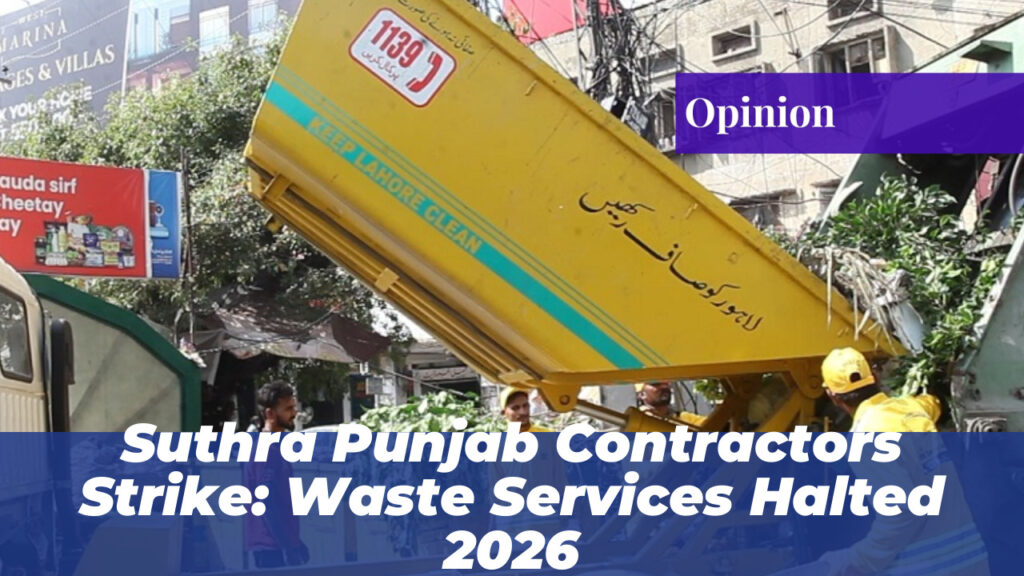
The sanitation landscape in South Punjab faces a severe crisis today as the Suthra Punjab Contractors Association has officially initiated an indefinite strike. Citing a critical and prolonged delay in the disbursement of government funds, private contractors have suspended all waste management and cleaning operations across 21 tehsils, effective immediately. This move signals a major escalation in the ongoing financial impasse between the private sector and provincial authorities.
The Core Dispute: Six Months of Unpaid Dues
The primary driver behind this industrial action is the government’s failure to clear outstanding payments accumulated over the past six months. Contractors assert that despite maintaining strict adherence to service-level agreements and upholding rigorous sanitation standards, their invoices remain unpaid. This persistent financial shortfall has reached a breaking point, rendering continued operations untenable.
According to the association, the total outstanding debt has reached several billion rupees. This severe liquidity crunch has left contractors unable to cover essential overheads, including fleet fuel, staff salaries, and the procurement of specialized maintenance equipment. Much like the complexities involved in managing large-scale industrial solutions, these contractors require consistent cash flow to maintain the heavy machinery and logistical support necessary for public health infrastructure.
Official Statement: The Stance of Soheil Soharani
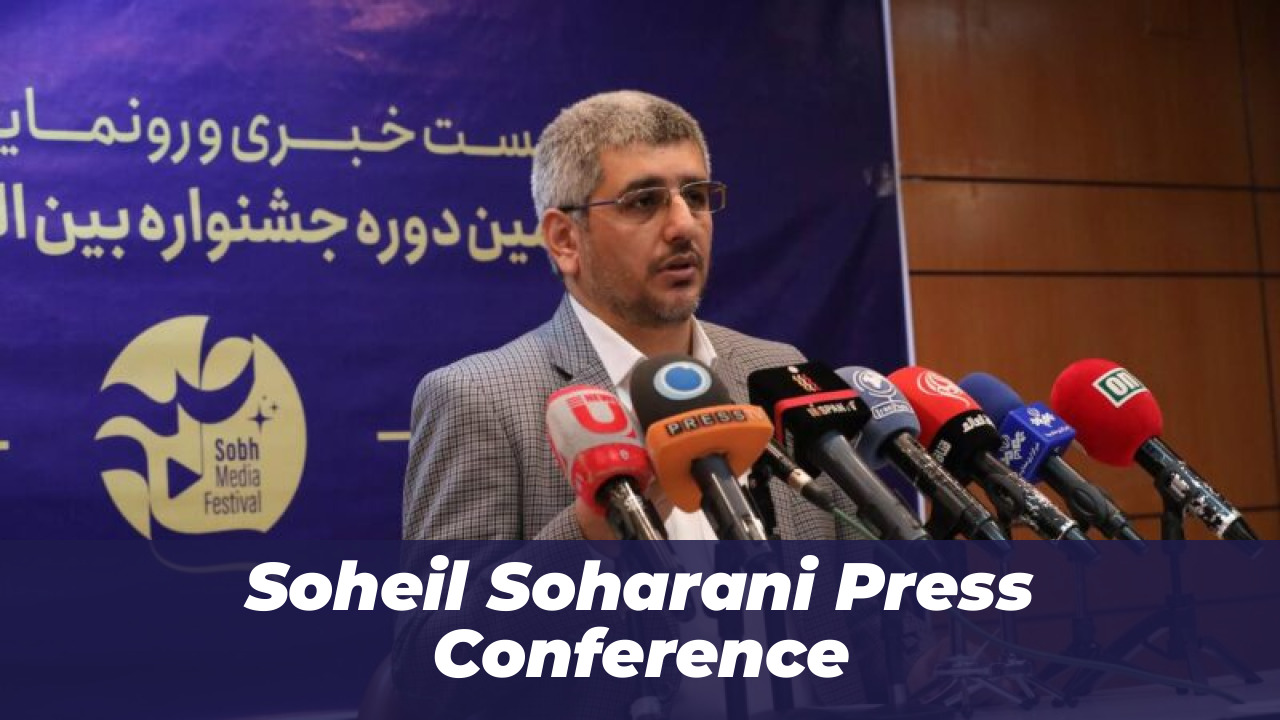
Soheil Soharani, the Provincial General Secretary of the Suthra Punjab Contractors Association, addressed the media earlier today to outline the necessity of this strike.
“We have exercised immense patience over the last six months, often relying on verbal assurances from the administration,” Soharani stated. “However, the lack of financial accountability has reached a critical threshold. We are no longer in a position to subsidize the operational costs of this program from our own pockets. Our machinery will remain locked at our depots until the government settles the outstanding billions owed to our members.”
Impact on South Punjab: What Residents Should Expect
The suspension of services is expected to have an immediate and visible impact on the urban and rural centers of South Punjab. With 21 tehsils impacted, the following operational challenges are currently unfolding:
- Waste Accumulation: Daily collection services have completely ceased, which is expected to lead to rapid, unhygienic waste buildup in residential and commercial public spaces.
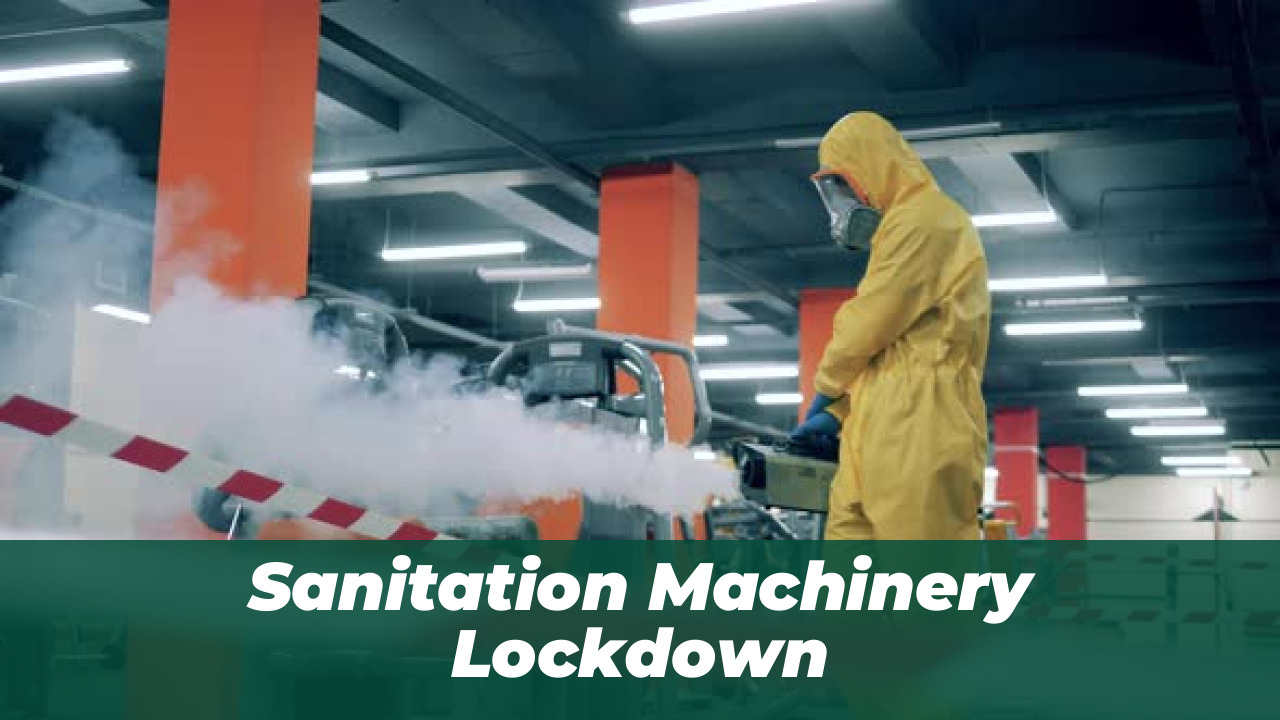
- Machinery Lockdown: All heavy-duty assets, including hydraulic dumpers, waste compactors, and mechanical road sweepers, have been withdrawn from active service and secured at private facilities.
- Public Health Risks: Prolonged exposure to uncollected refuse poses a significant hygiene threat, potentially leading to the spread of vector-borne diseases if the standoff is not resolved quickly.
- Labor Unrest: With contractors unable to pay their field staff, there is a growing risk of labor demonstrations, further complicating the local administrative environment.
- Logistical Gridlock: The absence of scheduled waste disposal is creating bottlenecks in municipal traffic, as disposal sites remain under-utilized or closed.
- Contractual Breach Concerns: The ongoing stalemate is creating legal uncertainty regarding the 2026 service contracts, as neither party is currently fulfilling their end of the agreement.
The Suthra Punjab Crisis: A Breakdown of Affected Operations
| Feature | Status (As of September 17, 2026) |
|---|---|
| Strike Status | Active (Indefinite) |
| Geographic Scope | 21 Tehsils of South Punjab |
| Duration of Non-payment | 6 Months |
| Primary Demand | Immediate release of multi-billion rupee outstanding dues |
| Operational State | All cleaning machinery suspended |
Why This Strike Is Different
Unlike previous localized protests, this strike involves a total, coordinated withdrawal of assets. By locking away the heavy machinery, the contractors have effectively neutralized the government’s ability to implement stop-gap sanitation arrangements. The sheer scale of the debt running into billions suggests this is a systemic failure in the provincial government’s 2026 financial planning rather than a minor administrative delay. The government now faces a narrow window for negotiation before the visual and health-related impacts of the waste crisis become irreversible.

Looking Ahead: The Path to Resolution
The resolution of this crisis now rests entirely on the provincial government’s willingness to provide concrete, actionable payment schedules. Contractors have signaled that they will not resume operations based on verbal promises alone; they are demanding immediate partial disbursement to resume essential services.
As of the evening of September 17, 2026, no official response has been issued by the provincial ministry. Residents and stakeholders are advised to monitor official government channels for updates, as the situation remains highly fluid.
Disclaimer: This report is based on the official announcements made by the Suthra Punjab Contractors Association as of September 17, 2026. Any further developments regarding the resumption of services will be updated as information becomes available.