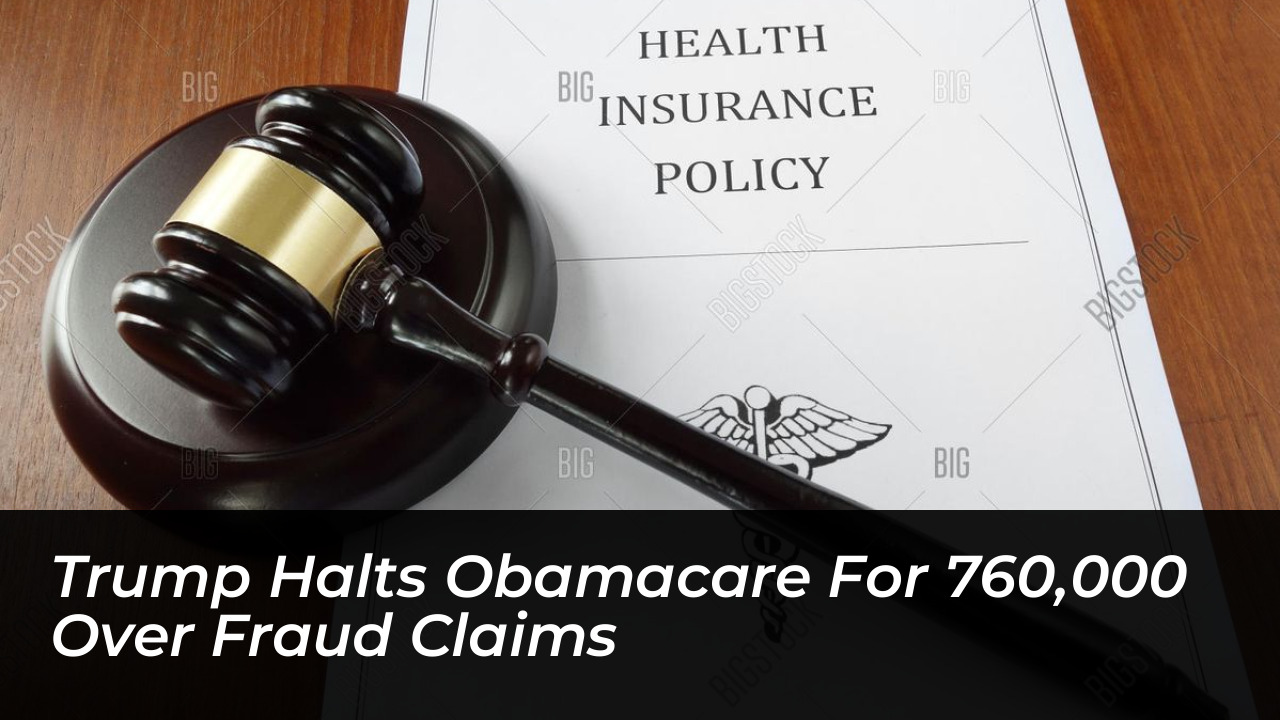
The federal government recently took sweeping action by halting Obamacare marketplace enrollments for 760,000 individuals across the country. Federal officials point to widespread broker fraud and unauthorized sign-ups as the primary catalyst for this decision. This targeted intervention marks one of the largest single administrative rollbacks of Affordable Care Act coverage in recent history.
- The Scope of the Obamacare Enrollment Cancellation
- Targeting Phantom Enrollees and Deceptive Practices
- Projected Fiscal Impact and Subsidy Savings
- Mechanisms of Marketplace Fraud and Broker Misconduct
- How Corrupt Intermediaries Exploited HealthCare.gov
- Federal Sanctions and the Broker Moratorium
- Verification Processes and Collateral Damage
- The 30-Day Verification Window
- Risks to Legitimate Policyholders
- Broader Health Policy Impacts and Political Reactions
- Aligning with the White House Anti-Fraud Ledger
- Public Opinion and Market Stability
- Evaluating Policy Implementation and Long-Term Outcomes
- Administrative Challenges in Federal Health Oversight
- Consumer Protection and Appeal Procedures
- Frequently Asked Questions
- Why were 760,000 Obamacare enrollments canceled?
- How much money does the government expect to save?
- What is happening to insurance brokers involved in the fraud?
- Are legitimate policyholders at risk of losing coverage?
- What steps can consumers take if their insurance was canceled mistakenly?
The Scope of the Obamacare Enrollment Cancellation
Targeting Phantom Enrollees and Deceptive Practices
Vice President JD Vance announced the enforcement action alongside Centers for Medicare and Medicaid Services Administrator Dr. Mehmet Oz. The White House Task Force to Eliminate Fraud spearheaded the initiative, identifying hundreds of thousands of suspicious accounts on HealthCare.gov. Officials describe many of these profiles as phantom enrollees generated by deceptive broker practices designed to game the system.
The scale of this action impacts roughly 4 percent of the 19.2 million active marketplace participants. During and immediately after the COVID-19 pandemic, the marketplace experienced historic enrollment surges that pushed total participation past 24 million. Administration officials claim that relaxed verification protocols during those prior years created vulnerabilities that bad actors quickly exploited to tap into government funding.
Projected Fiscal Impact and Subsidy Savings
Removing these 760,000 disputed accounts will save taxpayers approximately $2.2 billion in annual subsidies. Government-funded premium tax credits were allegedly misallocated to non-existent or ineligible individuals during periods of rapid enrollment growth. Financial regulators expect this crackdown to restore fiscal integrity to federal health programs.
Budget analysts note that managing billions in premium subsidies requires rigorous oversight. Without strict controls, public funds intended to support low-income families often line the pockets of corrupt intermediaries. The current administration intends to redirect these savings toward deficit reduction and legitimate taxpayer services.
Mechanisms of Marketplace Fraud and Broker Misconduct
How Corrupt Intermediaries Exploited HealthCare.gov
Fraudulent health insurance brokers and agents drove a significant portion of these improper enrollments. Corrupt intermediaries signed up unwitting or nonexistent individuals simply to collect government-funded commissions. These brokers frequently bypassed mandatory security protocols by submitting applications without essential identifying data, such as valid Social Security numbers.
Vice President Vance criticized past administrations for maintaining a broken system that rewarded volume over verification. Brokers received financial incentives for driving up enrollment numbers without conducting meaningful eligibility checks. This incentive structure invited widespread abuse of the federal marketplace platform.
Federal Sanctions and the Broker Moratorium
The Centers for Medicare and Medicaid Services established severe penalties for intermediaries caught gaming the system. CMS plans to bar 569 brokers accused of submitting statistically implausible application rates lacking required documentation. These individuals will no longer have access to federal enrollment portals.
Additionally, the administration instituted a six-month moratorium on new health insurance brokers registering on the federal marketplace. This pause allows federal investigators to audit existing accounts and tighten platform security. Officials hope this cooling-off period will deter future misconduct across the insurance industry.
Verification Processes and Collateral Damage
The 30-Day Verification Window
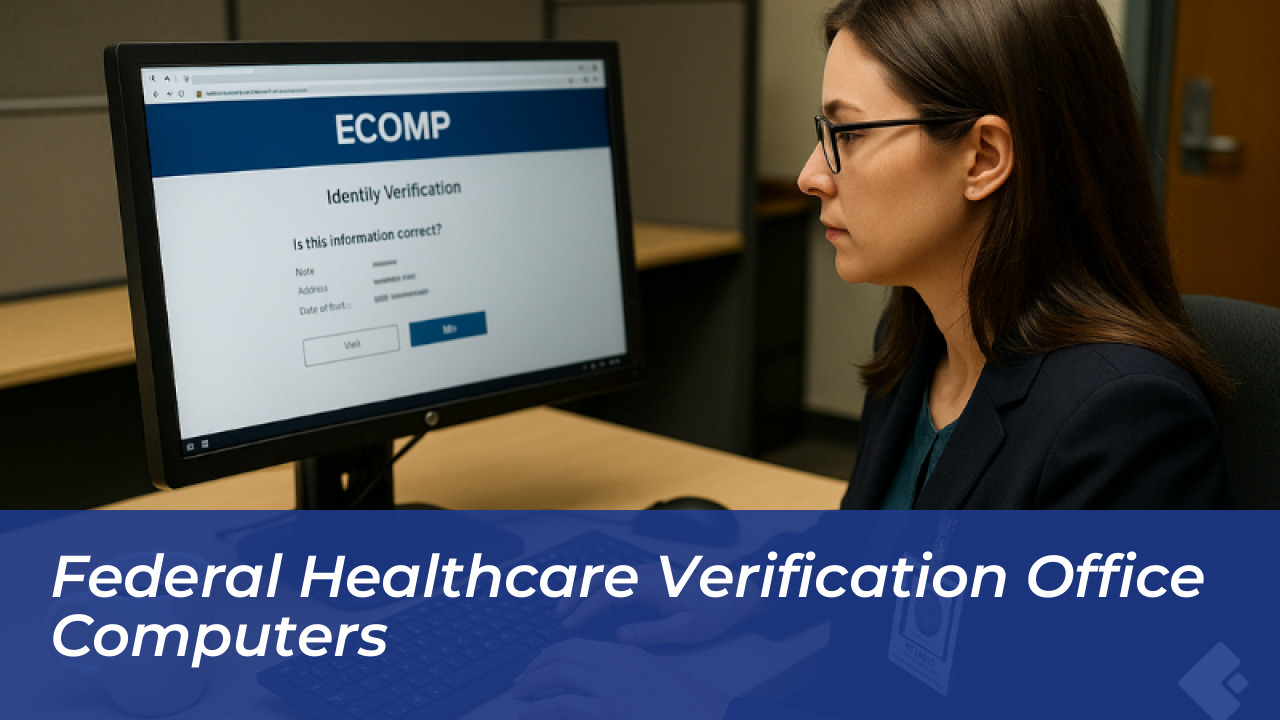
Health insurance companies played a direct operational role in reviewing flagged accounts during this crackdown. Insurers contacted approximately one million policyholders via mail, email, or phone to request identity and income verification. Individuals faced a strict 30-day window to submit valid documentation proving their eligibility.
Policyholders who failed to respond or provide the requested paperwork had their health plans terminated immediately. Insurers argue that swift enforcement is necessary to purge bad data from the system. However, the compressed timeline placed a heavy burden on administrative staff and consumers alike.
Risks to Legitimate Policyholders
Health policy experts express deep concern over potential collateral damage resulting from aggressive verification timelines. Cynthia Cox, director of the Affordable Care Act program at KFF, notes that vulnerable or healthy enrollees often miss administrative notices. Address changes or unmonitored communication channels frequently lead to missed deadlines.
Individuals who do not utilize medical services regularly are especially prone to ignoring mail from insurance companies. Critics point out that legitimate enrollees who meet all legal eligibility criteria may lose vital healthcare coverage simply because they missed a notification. Advocacy groups continue to press for clearer communication and reinstatement options for affected consumers.
Broader Health Policy Impacts and Political Reactions
Aligning with the White House Anti-Fraud Ledger
The cancellation of these Obamacare plans fits neatly into a broader administration campaign targeting federal program waste. The White House anti-fraud ledger claims to have uncovered nearly $250 billion in misuse since January 2025. This figure includes substantial financial recoveries within the Department of Health and Human Services.
Beyond the ACA marketplace, the administration previously paused hundreds of millions of dollars in Medicaid payments to states like California and Minnesota over noncompliance concerns. Federal oversight teams are casting a wide net to identify waste across all major entitlement programs.
Public Opinion and Market Stability
Public opinion remains sharply divided regarding these aggressive enforcement actions. Polling data from KFF indicates that while a large majority of voters view government program fraud as a serious issue, many express severe anxiety about maintaining access to affordable healthcare. Balancing fraud prevention with healthcare security remains a delicate political challenge.
Market analysts also point to the economic context of rising health insurance premiums following the expiration of enhanced pandemic-era subsidies. Sudden disenrollment strategies create unnecessary instability for millions of Americans who are already struggling to manage the evolving insurance environment.
Evaluating Policy Implementation and Long-Term Outcomes
Administrative Challenges in Federal Health Oversight
Implementing large-scale audits requires sophisticated data sharing between federal agencies and private insurance entities. Technology infrastructure upgrades help detect duplicate applications across state lines. System administrators must balance stringent security measures against user-friendly portal designs.
State-based marketplaces operate under different regulatory frameworks compared to the federal platform. Local exchange administrators often catch discrepancies faster through localized review teams. Federal regulators now encourage state exchanges to adopt similar verification protocols.

Consumer Protection and Appeal Procedures
Disenrolled individuals retain the legal right to appeal sudden coverage terminations through formal administrative channels. State insurance commissioners provide oversight and assistance for consumers facing unjustified policy cancellations. Affected residents can submit missing paperwork to restore active status.
Consumer advocacy organizations established dedicated hotlines to assist vulnerable populations with complex documentation requirements. Legal aid groups prepare class-action inquiries regarding potential due process violations during the 30-day window. Clear communication prevents permanent coverage loss for eligible households.
Frequently Asked Questions
Why were 760,000 Obamacare enrollments canceled?
The Trump administration canceled these enrollments due to suspected fraudulent activity, unverified citizenship documents, and unauthorized sign-ups orchestrated by third-party brokers.
How much money does the government expect to save?
White House officials estimate that eliminating these fraudulent or improper enrollments will save taxpayers approximately $2.2 billion in federal premium subsidies.
What is happening to insurance brokers involved in the fraud?
CMS plans to bar 569 brokers who submitted implausible application volumes without required identifying information, and the administration imposed a six-month moratorium on new broker registrations.
Are legitimate policyholders at risk of losing coverage?
Health policy experts warn that legitimate enrollees who failed to respond to verification notices within the 30-day window due to missed communications may have lost their coverage in error.
What steps can consumers take if their insurance was canceled mistakenly?
Affected individuals can contact their state insurance commissioner or use the federal marketplace portal to submit proper verification documents and request expedited reinstatement.