
In a landmark ruling that has set a definitive precedent in 2026, a prominent clothing brand has been penalized for a retail practice that many consumers previously accepted as standard: charging for shopping bags. Presiding Judge Nasrullah Khan Gandapur of the Khyber Pakhtunkhwa Consumer Court delivered a verdict that clarifies the boundary between business convenience and unfair trade practices.
This decision serves as a significant win for consumer rights, reinforcing the principle that shoppers should not be forced to subsidize a brand’s marketing collateral.
The Case Background: Shafaq Aamir vs. The Retailer
The legal battle originated when a customer, Shafaq Aamir, formally challenged an extra charge imposed for a shopping bag. While the retailer maintained that the bag was an optional purchase and a standard business decision, the court took a firm stance. Under the KP Consumers Protection Act, 1997, specifically Sections 13 and 14(2)(b), the court examined the nature of the transaction.
The central question before the court was whether a customer should be expected to pay for a bag that essentially functions as a mobile billboard for the store.

The Logo Factor: Why the Court Ruled Against the Brand
The most critical takeaway from this 2026 ruling is the court’s interpretation of the “Logo Factor.” The judge observed that because the shopping bag prominently displayed the company’s logo, it functioned primarily as a marketing tool for the brand rather than a mere utility for the customer.
- The Argument: The court ruled that if a bag carries the company’s branding, it constitutes an advertisement for the business.
- The Verdict: Forcing a customer to pay for a bag that promotes the store is categorized as an “Unfair Trade Practice” under Section 2(O)(xii)(xiii) of the Act.
- The Precedent: This ruling establishes that businesses cannot pass the costs of their own promotional materials onto the consumer under the guise of an “optional” service.
Financial Breakdown of the Penalty
The court’s decision was decisive, imposing a total penalty of Rs. 50,000. The financial distribution was ordered as follows:
| Category | Amount |
|---|---|
| Compensation to the Complainant | Rs. 25,000 |
| Fine to the Government Treasury | Rs. 25,000 |
| Total Penalty Imposed | Rs. 50,000 |
Additionally, the original Rs. 30 charge for the bag was ordered to be refunded to the customer, setting a clear, enforceable precedent for similar disputes across the province.
What This Means for Consumers in 2026
This ruling is a significant wake-up call for retail brands. If you are a shopper, you are now empowered to challenge such practices. Brands can no longer hide behind “optional service” policies when the packaging is clearly designed to promote their own identity. Whether you are managing your daily errands or comparing mobile network options to stay updated on your rights, awareness is your strongest tool.
How to Exercise Your Consumer Rights
- Check the Receipt: Always verify if you are being charged for branded packaging at the point of sale.
- Request Clarification: Politely inform the cashier that you are aware of the legal stance regarding branded bags as promotional material.
- Document the Transaction: If a brand insists on the charge, keep your receipt and any photographic evidence of the branding on the bag.
- Know the Law: Familiarize yourself with the KP Consumers Protection Act to understand your standing.
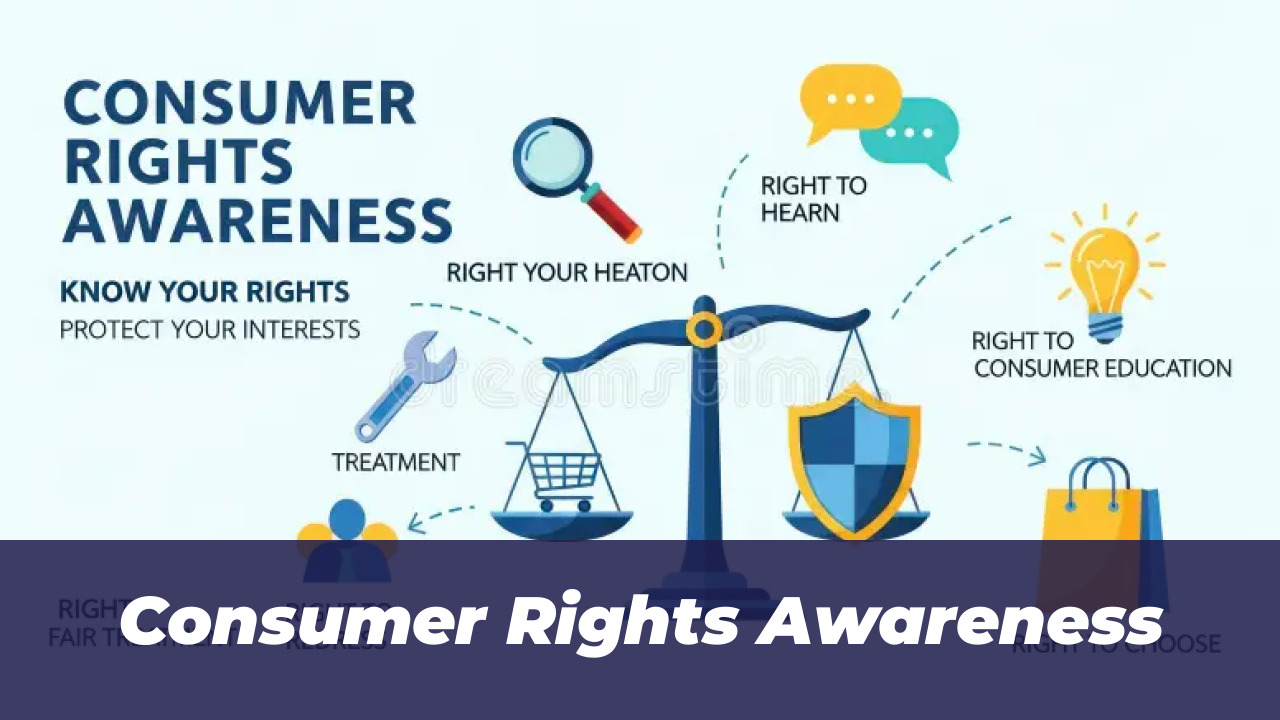
- File a Formal Complaint: If a brand refuses to comply, you have the legal right to approach the Consumer Court for redressal and compensation.
The Future of Retail Packaging
For clothing brands and retail chains, 2026 marks a shift toward greater operational transparency. Retailers must now reconsider their packaging policies. If a brand wishes to charge for a bag, it must be a generic, non-branded bag that serves a purely functional purpose rather than a promotional one.
Failure to align with these legal standards invites litigation, financial penalties, and a significant blow to brand reputation in an increasingly consumer-conscious market.
Specifications of the Legal Penalty
| Feature | Details |
|---|---|
| Case Presiding Judge | Nasrullah Khan Gandapur |
| Legal Framework | KP Consumers Protection Act, 1997 |
| Primary Violation | Unfair Trade Practice (Section 2) |
| Total Fine Amount | Rs. 50,000 |
| Status | Active Precedent (2026) |
Pros and Cons of Branded Packaging Policies
- Brand Visibility: High-quality branded bags provide luxury-style presentation and marketing reach.
- Legal Liability: Charging for branded bags now carries the risk of consumer litigation and court-mandated fines.
- Environmental Impact: Many retailers are moving toward paper-based or reusable alternatives to align with sustainability goals.
- Customer Retention: Transparent pricing policies foster trust, whereas hidden charges often lead to friction and loss of loyalty.