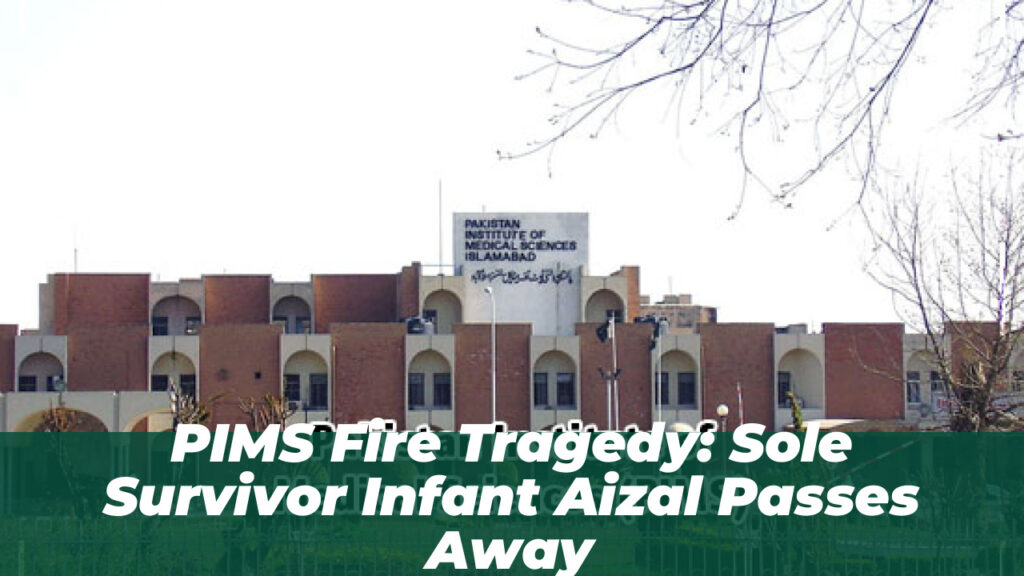
The tragic incident that shook the nation on August 26, 2026, has reached its most heartbreaking conclusion. Aizal, the infant who had been fighting for her life in the Intensive Care Unit following the devastating fire at the Pakistan Institute of Medical Sciences (PIMS) Mother and Child Hospital, has passed away. Her death marks the final, sorrowful chapter in a catastrophe that claimed the lives of all 15 infants who were present in the nursery at the time of the blaze.
The Final Loss: Aizal’s Journey and Passing

Born on August 12, 2026, little Aizal became a symbol of hope for a grieving nation. While the initial fire claimed 14 lives instantly, Aizal’s survival provided a glimmer of optimism for her family and the dedicated medical staff. However, despite weeks of rigorous ventilator support and round-the-clock specialized care, her lungs could not overcome the severe damage caused by toxic smoke inhalation. Her passing on September 17, 2026, has brought a profound and painful sense of closure to a tragedy that has left the entire country in mourning.
Timeline of the August 26 Tragedy at PIMS
The disaster unfolded in the early hours of August 26, 2026, within the neonatal nursery of PIMS. What began as a routine night shift quickly transformed into a life-altering emergency as thick smoke engulfed the ward. The fire, which originated due to critical technical complications within the facility’s electrical infrastructure, trapped 15 infants in the nursery. Emergency protocols were activated immediately, but the rapid spread of toxic fumes made the rescue operation exceptionally difficult, leading to the immediate loss of 14 infants.
Medical Complications and ICU Struggle
Aizal’s battle was defined by the severity of smoke inhalation. Medical experts at PIMS noted that while she was rescued from the direct flames, the chemical inhalation caused irreversible damage to her respiratory system. Throughout her weeks in the ICU, she remained on high-frequency ventilation. The medical team exhausted all available resources to stabilize her condition, but the systemic complications resulting from the fire proved insurmountable, leading to her eventual passing today.
The Heroism of Nurse Razia Noreen Amidst Crisis
Amidst the darkness of this event, the bravery of Nurse Razia Noreen has been widely acknowledged as a beacon of selfless service. During the chaos, she performed a courageous rescue operation, risking her own safety to pull infants from the smoke-filled nursery. Her quick thinking remains a subject of national discussion, highlighting the immense dedication of frontline healthcare workers who often operate under extreme, life-threatening pressure.
Government Recognition and National Honors
In recognition of her extraordinary valor, the government has moved to honor Nurse Razia Noreen. Prime Minister Shehbaz Sharif officially announced the Sitara-i-Khidmat for her, accompanied by a Rs. 10 million cash reward. Additionally, President Asif Ali Zardari has approved the Tamgha-i-Shujaat to be conferred upon her. These awards serve as a testament to her commitment, though they stand against the backdrop of the heavy loss felt by the families of the 15 infants.
Looking Ahead: Hospital Safety Protocols and Accountability
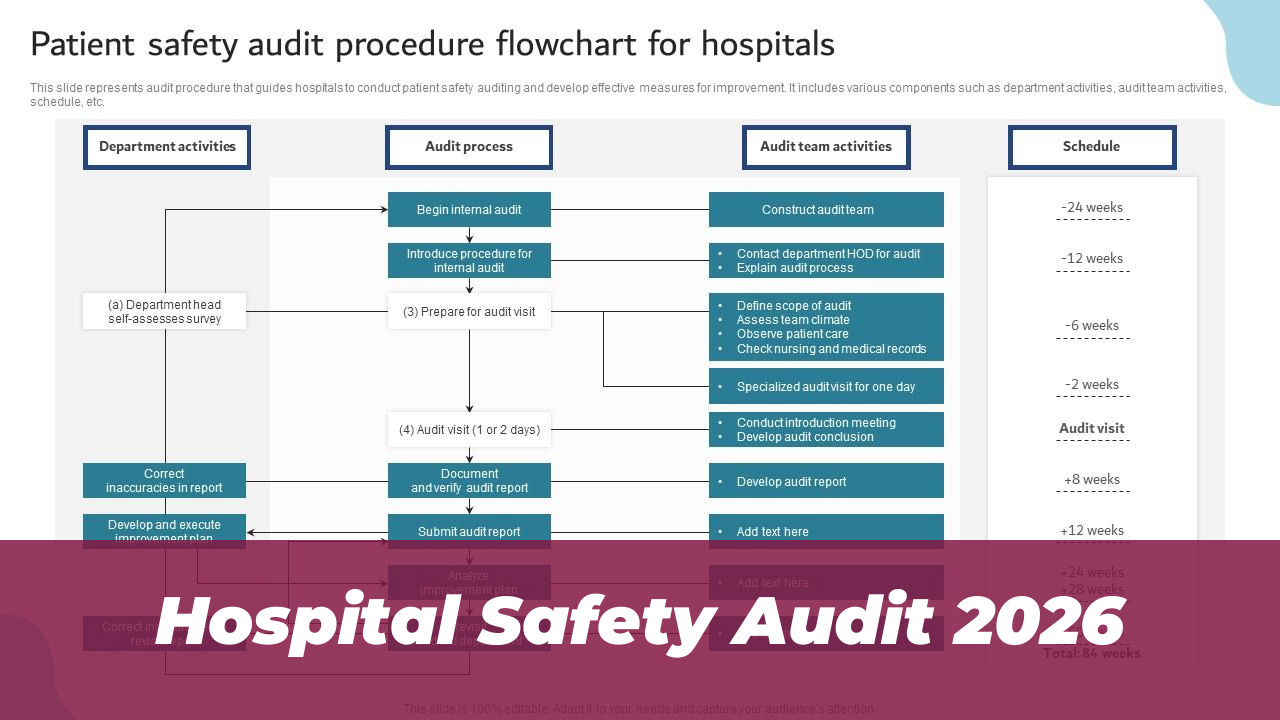
The total loss of all 15 infants has triggered a broader, necessary conversation regarding the safety standards of public health institutions in Pakistan. As of September 2026, authorities are conducting a comprehensive audit of all neonatal units across the country to prevent a recurrence of such a disaster. The focus has shifted toward upgrading fire suppression systems, ensuring electrical integrity in high-dependency units, and implementing stricter safety drills.
The nation continues to mourn, with Aizal’s memory serving as a solemn reminder of the urgent need for institutional reform. As the public demands greater accountability, similar rigor is being observed in other sectors, such as the recent Rawalpindi hotel closure disputes, where regulatory compliance has become a central point of contention. For the medical sector, the path forward must prioritize the lives of patients above all else, ensuring that no family ever has to endure such a profound loss again.