As of September 2026, the National Database and Registration Authority (NADRA) has officially expanded its network across Sindh. This strategic initiative is designed to decentralize identity services, ensuring that citizens in both major urban hubs and remote towns spend less time in queues and more time accessing efficient, digital-first government services. By integrating “One-Window” operations, these new centers aim to handle high volumes often exceeding 2,000 applicants daily while maintaining a high standard of service quality and system reliability.
Modernizing Sindh’s Identity Infrastructure (2026 Update)
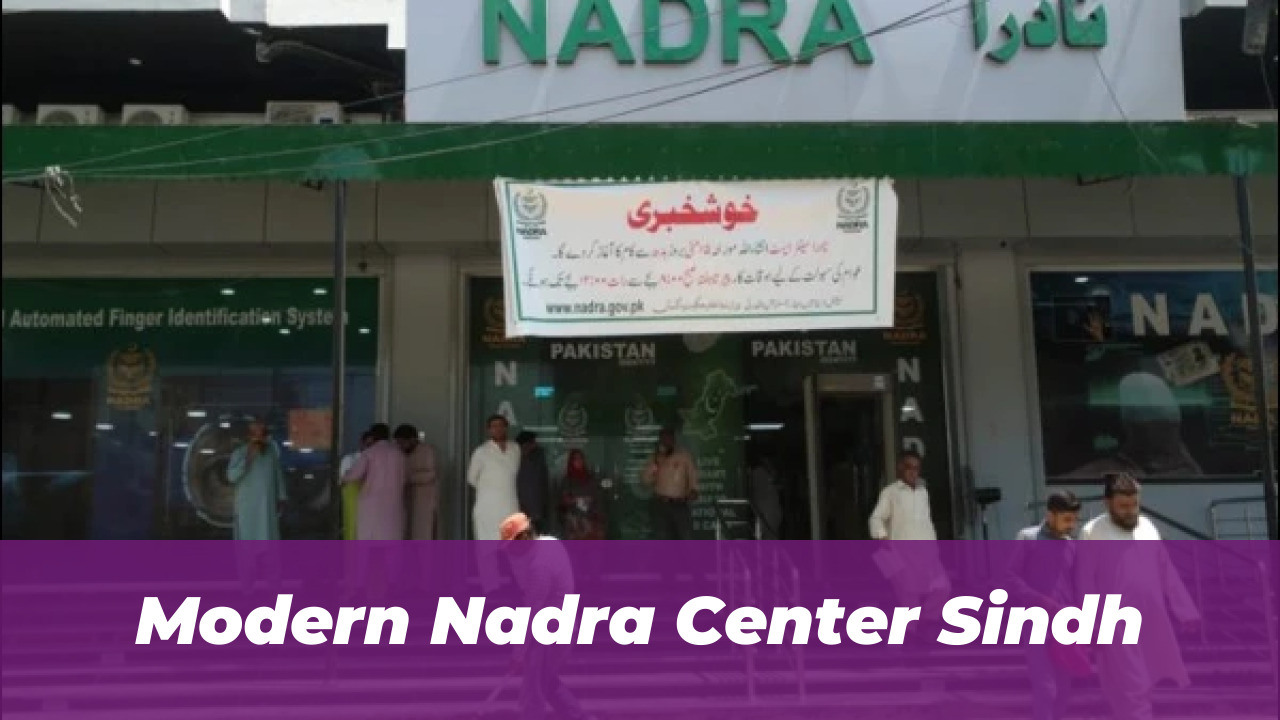
The 2026 expansion is not merely about opening new physical offices; it is about a total infrastructure transformation. These centers are equipped with high-speed biometric hardware and modernized seating arrangements, reflecting a shift toward citizen-centric governance. Whether you are in a bustling city or a developing town, the objective remains the same: to make the registration process as seamless as possible. This move is part of a larger plan to stabilize public service delivery, mirroring the administrative improvements seen in modern public transit initiatives that aim to improve infrastructure accessibility across the country.
Services Available at the New NADRA Centers
These facilities provide a comprehensive range of identity and civil registration services. Citizens can visit for:
- CNIC Issuance & Renewal: Including the latest Smart Card upgrades with enhanced security features and 2026 encryption standards.
- Child Registration Certificates (CRC): Commonly known as B-Forms, now processed with faster turnaround times through automated verification.
- Family Registration Certificates (FRC): Essential for visa, travel, and legal documentation, available for immediate issuance.
- Biometric Verification: Real-time verification services for banking, government utility connections, and mobile SIM activation.
- Marital Status Updates: Streamlined through the new centralized database synchronization, reducing the need for manual file movement.
- Succession Certificates: Facilitating legal inheritance processes with reduced documentation requirements.
- Death & Birth Registration: Integration with local municipal databases for faster civil record updates.
- Data Correction Services: On-the-spot adjustments for name, address, or parentage errors using the new digital portal.
Operational Excellence: What to Expect in 2026
The new centers operate on a high-efficiency model. With dedicated counters for senior citizens and persons with disabilities, the facility ensures inclusivity. The “One-Window” system allows an applicant to complete the data entry, verification, and payment process at a single station, significantly reducing the turnaround time. For those visiting during peak hours, the centers are now optimized with digital token systems and live-tracking dashboards to manage the flow of visitors effectively.

The “Hybrid Model”: Why You Might Not Need to Visit Physically
Before heading to a center, it is highly recommended to check if your service can be completed digitally. In 2026, the Pak ID App has become the gold standard for renewals and minor document updates. By uploading your documents through the app, you can often bypass physical visits entirely. We suggest using the app for:
- Renewing expired CNICs without biometric visits (if your biometrics are already in the system).
- Tracking the status of your application in real-time.
- Updating contact information or minor data corrections.
- Paying processing fees via integrated mobile wallets or banking apps.
- Downloading digital copies of your registered documents.
Step-by-Step Guide: Preparing for Your Visit
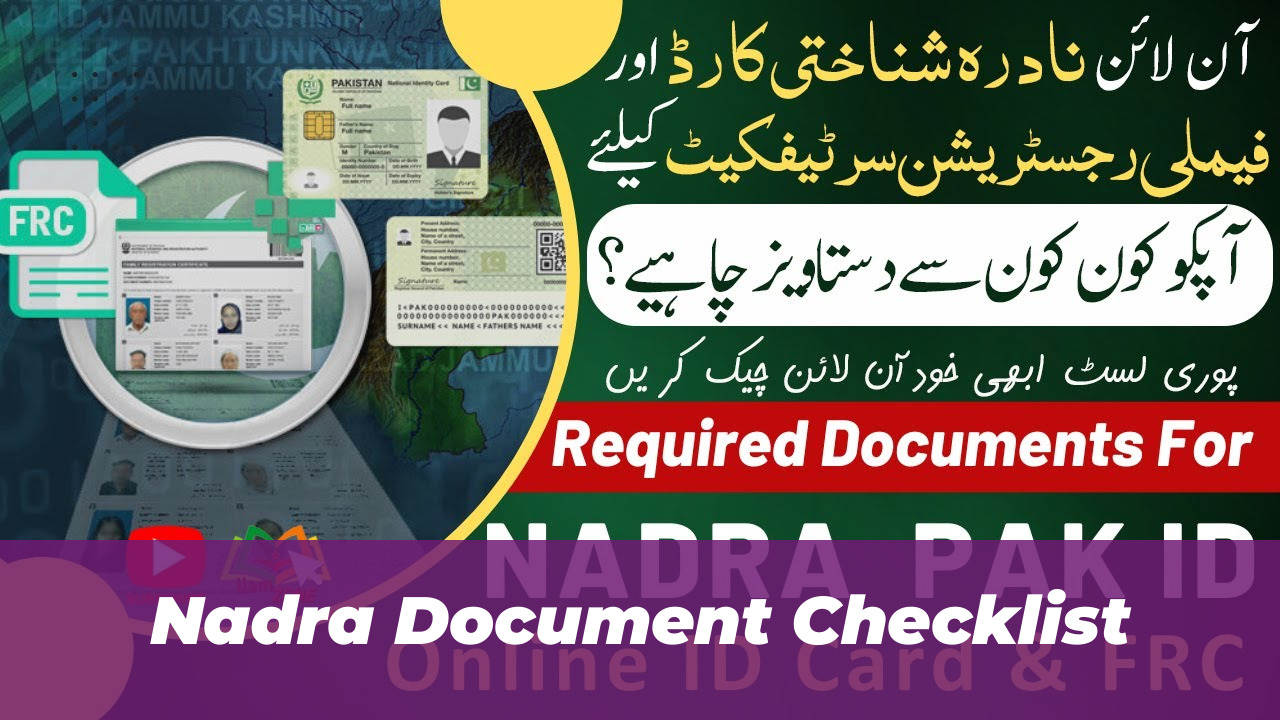
To ensure a smooth experience at any new NADRA registration center in Sindh, follow this checklist:
- Documentation: Carry your original CNIC/CRC and one set of clear photocopies. Ensure any supporting documents (like marriage certificates) are attested.
- Timing: Avoid early morning peak hours if possible. Mid-afternoon visits often result in significantly shorter wait times.
- Verification: Check the official NADRA website or the Pak ID App to confirm if your specific service requires a physical presence.
- Digital Token: If the center uses a digital queueing system, register your arrival immediately upon entry via the kiosk.
- Fee Structure: Familiarize yourself with the 2026 fee schedule; paying through the app beforehand can save you significant time at the counter.
Frequently Asked Questions (FAQs)
Q: Are the new centers open on weekends?
A: Most new Mega Centers in Sindh operate 24/7 or have extended weekend hours to accommodate working professionals. However, smaller regional offices usually follow standard government business hours (9:00 AM to 5:00 PM).
Q: Can I pay my fees online?
A: Yes, the Pak ID App and the official NADRA portal support online payment via credit/debit cards, bank transfers, and major mobile wallets.
Q: How long does it take to receive a renewed CNIC?
A: Depending on the urgency category (Normal, Urgent, or Executive), processing times range from 3 to 15 working days. Executive services now guarantee delivery within 48 hours in major cities.
Q: Is there a penalty for late renewal?
A: While there is no “fine” in the traditional sense for expired documents, they may cause immediate issues with banking services and travel verification, so it is best to renew them at least 30 days before expiration.