
A deeply distressing case of elder neglect has emerged from West Virginia, serving as a grim reminder of the critical responsibilities inherent in caring for incapacitated family members. As of September 2026, the legal proceedings against 75-year-old Margaret Louise Rog continue following the death of her husband, who passed away after being left unattended in a compromised position for nearly 19 hours.
An Overview of the Incident (August 2026)
The incident centers on a failure of care that authorities describe as both preventable and severe. The victim, a 76-year-old man suffering from advanced dementia, Alzheimer’s, and legal blindness, was entirely dependent on his wife for his daily needs. The situation escalated into a criminal investigation after he was discovered in a state of extreme medical distress, having been left on a toilet for an extended period without any intervention or attempt to seek emergency assistance.

The Chronology of a 19-Hour Crisis
The timeline established by investigators provides a sobering look at the events of August 20, 2026. At approximately 3:00 PM, the victim entered the bathroom. When he became unable to stand or reposition himself, his wife, Margaret Rog, allegedly failed to provide the necessary physical assistance or contact medical professionals. Despite reportedly hearing the victim groaning in pain throughout the night, she chose to go to bed, leaving him unattended for 19 hours until a visiting speech therapist arrived the following morning at 10:00 AM to find him unresponsive.
Medical Consequences: Why 19 Hours Led to Fatal Complications
The physical trauma endured during those 19 hours was catastrophic. Medical professionals noted that the victim’s prolonged immobility triggered a cascade of life-threatening conditions. Beyond severe dehydration (hypernatremia), the victim suffered from:
- Rhabdomyolysis: A rapid breakdown of muscle tissue that releases damaging proteins into the blood, often leading to acute kidney failure.
- Sepsis: A systemic inflammatory response to infection that led to multi-organ failure.
- Pulmonary Embolism: A blockage of an artery in the lungs caused by a blood clot, resulting from the lack of circulation during the extended period of immobility.
- Pressure Wounds: Severe tissue damage caused by the sustained, immobile contact with the toilet surface.
- Electrolyte Imbalance: Critical shifts in blood chemistry due to prolonged lack of intake and bodily stress.
- Hypothermia: Due to the victim’s inability to maintain body temperature during the overnight period.
- Muscle Atrophy and Nerve Damage: Secondary to the sustained pressure and lack of movement.
These conditions led to his eventual passing on August 31, 2026, after ten days of intensive hospital care.
The Legal Framework: Duty of Care and Criminal Charges
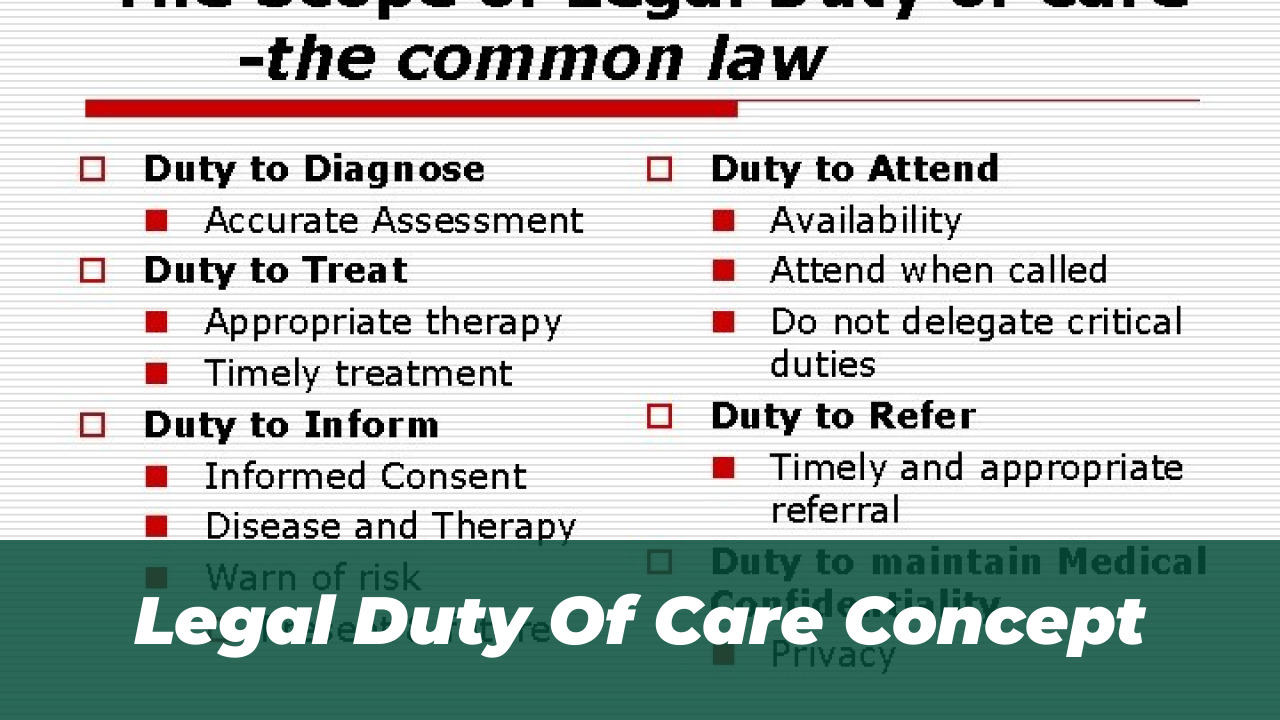
Margaret Rog is currently facing charges of abuse and neglect of an incapacitated adult. Legal experts emphasize that this case hinges on the “Duty of Care” the legal obligation a caregiver has to ensure the safety and well-being of a dependent person. By allegedly acknowledging the victim’s distress and choosing to withhold assistance, the defendant faces a complex legal battle. She has entered a plea of not guilty and was released on a $75,000 bond.
Understanding the “Duty of Care” in Vulnerable Adult Cases
In the context of 2026, this case serves as a sharp reminder of the legal boundaries in home-based care. When an individual is legally blind or suffering from cognitive impairments like dementia, the caregiver acts as their primary safeguard. Failing to act when a dependent is in physical distress is not merely a moral failure; it is a violation of state laws designed to protect the most vulnerable members of our society. Much like the advancements in digital security that aim to protect people from modern threats, legal statutes are designed to provide a layer of protection for those unable to defend themselves.
Public Reaction and the Question of Physical Logistics
The case has sparked significant public discourse regarding the physical logistics of the incident. Many observers have questioned how a person could remain in such a position for 19 hours without a rescue attempt being made. This confusion highlights a broader societal shock regarding the detachment required for such an event to occur, turning the focus toward the psychological state of caregivers who may be overwhelmed. While some true-crime enthusiasts often look for dramatic storytelling in media, this real-life tragedy underscores that the reality of neglect is often far more mundane and heartbreaking than fiction.
Current Status of the Legal Proceedings (September 2026)
As of mid-September 2026, the case remains active. Investigators are building their evidence primarily on self-incriminating statements made by Rog to law enforcement and Adult Protective Services. These statements reportedly confirm that she was fully aware of her husband’s inability to move and his subsequent suffering, yet she failed to take action to alleviate the situation.
Conclusion: Lessons in Caregiving and Accountability
The tragic death of the victim serves as a somber lesson on the necessity of professional support for caregivers. Whether due to caregiver burnout or a lack of awareness regarding the severity of medical emergencies, the outcome of this case underscores that alleged neglect can have fatal consequences. As the court process moves forward, the focus remains on ensuring justice for the victim and highlighting the importance of timely intervention in home-based elder care.
Specifications Table: Case Summary
| Category | Details |
|---|---|
| Incident Date | August 20, 2026 |
| Location | West Virginia |
| Primary Charge | Abuse/Neglect of an Incapacitated Adult |
| Defendant Status | Released on $75,000 Bond |
| Legal Plea | Not Guilty |
| Victim Age | 76 |
Pros & Cons of Home-Based Elder Care
| Pros | Cons |
|---|---|
| Comfort of familiar surroundings | High risk of caregiver burnout |
| Personalized one-on-one attention | Potential for isolation without oversight |
| Reduced institutional costs | Lack of immediate medical emergency response |
| Maintenance of social autonomy | Difficulty managing complex medical needs |
| Emotional continuity for the patient | Limited access to 24/7 monitoring equipment |