The Marvel landscape has shifted permanently. In the latest issue of Avengers: Armageddon #4, released this September 2026, readers witnessed a seismic event that has left the comic book community in a state of shock. David Colton, the modern-day Captain America, has undergone a metamorphosis that transcends traditional heroics, officially assuming the mantle of Miracleman.
This integration isn’t just another power-up; it marks the end of a decades-long legal and creative exile for one of the most complex characters in comic history. While Marvel fans are buzzing with excitement, the legacy of Alan Moore’s original vision has sparked a heated debate regarding the character’s future in the main continuity.
The Transformation: How David Colton Became Miracleman
In Avengers: Armageddon #4, penned by Chip Zdarsky with striking visuals by Delio Diaz and Frank Alpizar, the narrative takes a dark turn. During a desperate confrontation to save the multiverse, Colton encounters the “Origin Box.” Instead of a conventional upgrade, the box forces a fusion between the iconic Captain America persona and the metaphysical essence of Miracleman.
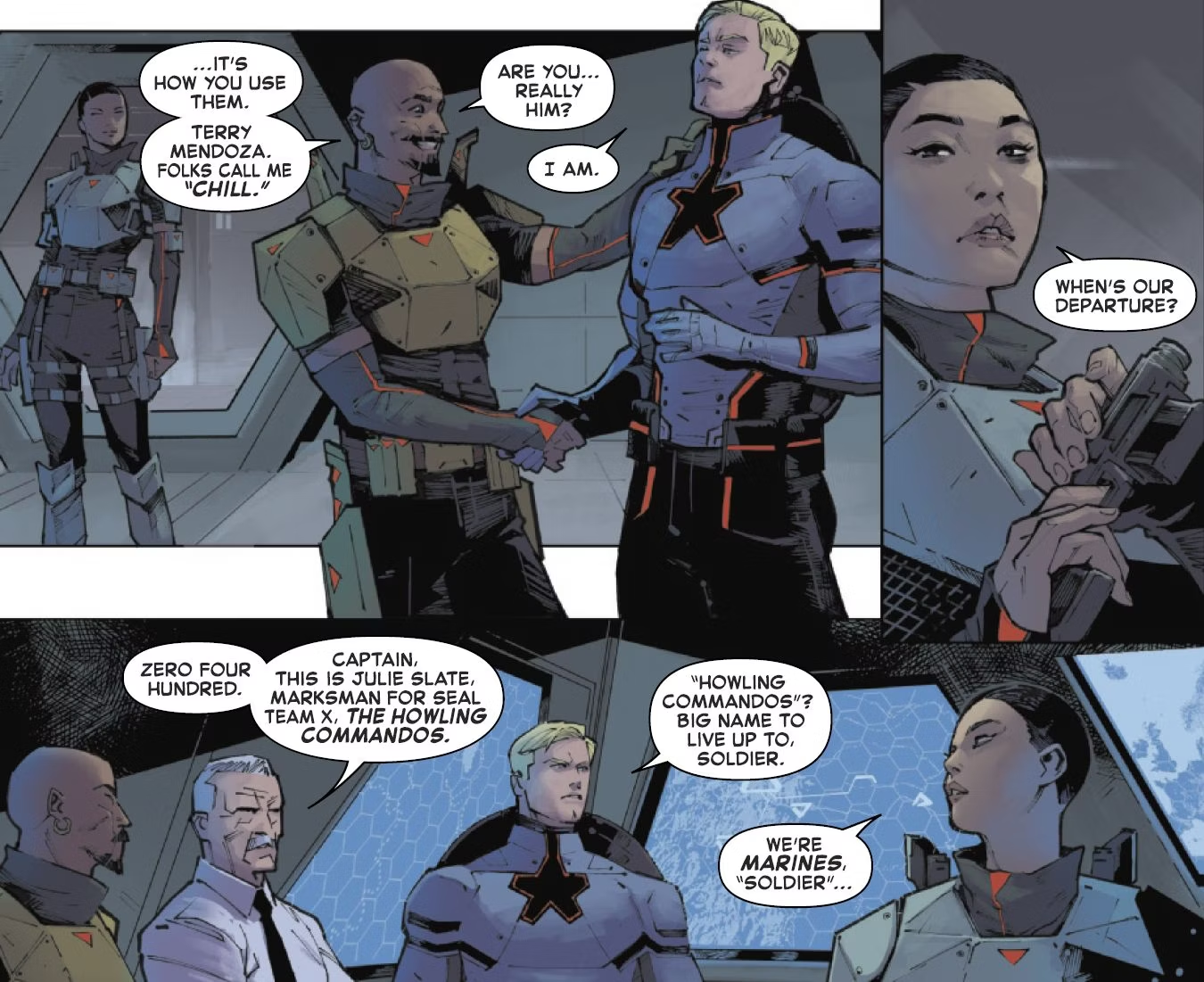
This transformation fundamentally alters Colton’s physiology, shifting him from a super-soldier to a god-like entity. Under the editorial guidance of Wil Moss, this plot point serves as the primary catalyst for the upcoming AVENGERS #1 event slated for November 2026. Just as modern industries are undergoing rapid transformative infrastructure shifts to meet new demands, Marvel is betting that this radical character pivot will redefine the stakes for the Avengers in the coming year.
Comparison: The Evolution of Power
To understand the gravity of this change, we must look at how the mantle of Miracleman shifts the baseline for an Avenger.
| Feature | Classic Captain America | New Miracleman (David Colton) |
|---|---|---|
| Power Source | Super-Soldier Serum | Origin Box / Metaphysical Reality |
| Physical Limit | Peak Human Performance | God-like Invulnerability |
| Combat Style | Tactical Shield Mastery | Reality Manipulation & Flight |
| Primary Role | Field Leader | Cosmic Guardian |
The Alan Moore Factor: Why Fans Are Divided
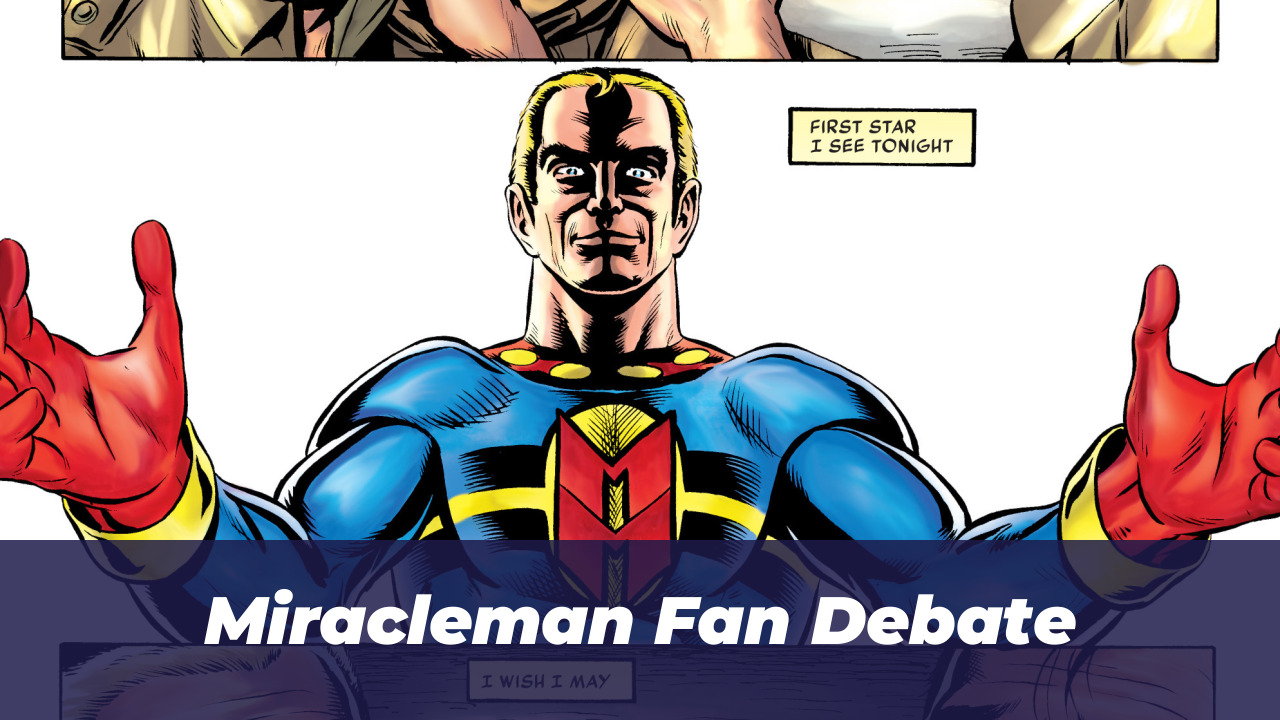
The return of Miracleman to the Marvel spotlight is a double-edged sword. For years, the character was locked in legal limbo, largely due to the complex ownership history associated with Alan Moore’s seminal work. Many veteran fans feel that Miracleman represents a dark, psychological deconstruction of the superhero genre. By bringing this character into the mainstream Avengers fold, there is a palpable fear among the fanbase that the character’s grim, philosophical depth will be diluted.
Common Fan Sentiments:
- The Purist Perspective: Critics argue that Miracleman belongs in a self-contained, mature-themed narrative, not as a teammate for the Avengers.
- The Modern Integrationist: Supporters believe that Zdarsky’s writing is the only way to modernize a character who has been inaccessible to new readers for over thirty years.
- The Continuity Concern: Readers worry that power-scaling issues will render other Avengers redundant.
- The Legacy Debate: Fans are divided on whether a “Miracle-Cap” hybrid honors or desecrates the original 1980s source material.
- The Tone Conflict: Skeptics fear that the “Avengers” brand will soften the nihilistic edges that made Miracleman a cult icon.
What This Means for the Future
The integration of Miracleman into the main Marvel timeline is not a temporary arc. As we head into the November 2026 release of AVENGERS #1, the stakes have never been higher. Marvel is positioning Colton’s transformation as the cornerstone of the next generation of storytelling. Whether you view this as a brilliant evolution or a controversial departure from tradition, one thing is certain: David Colton is no longer just a soldier. He is a force of nature that the Marvel Universe is ill-prepared to control.
Specifications Table: The New Miracleman
| Specification | Detail |
|---|---|
| Current Alias | Miracleman (David Colton) |
| First Appearance | Avengers: Armageddon #4 |
| Writer | Chip Zdarsky |
| Primary Ability | Reality Warping |
| Affiliation | The Avengers |
Pros & Cons of the New Direction
Pros:
- Brings a legendary, long-lost character into modern circulation.
- Provides a massive power boost to the Avengers roster.
- Offers fresh, high-stakes storytelling potential for the 2026 roadmap.
- Allows Marvel to explore cosmic-level consequences within a grounded team setting.
- Creates a unique dynamic between Colton’s tactical mind and newfound god-like abilities.
Cons:
- Risks diluting the dark, gritty tone of original Miracleman arcs.
- May alienate long-time fans who prefer the character as a standalone entity.
- Complexity of power levels makes future villain threats harder to scale.
- Potential for narrative inconsistency when balancing reality-warping powers with traditional team dynamics.
- The risk of “over-exposure” for a character meant to remain shrouded in mystery.
Join the Conversation
The transition from Captain America to Miracleman is arguably the biggest creative risk Marvel has taken this year. Does this transformation enhance the Avengers’ legacy, or does it disrespect the roots of the character? We want to hear your thoughts. Do you think Miracleman truly fits within the Avengers roster, or should he have remained a standalone icon? Drop your comments below and let’s discuss the future of the Marvel Universe.
Quick Links & Resources
- Pick up your copy of Avengers: Armageddon #4 at your local comic shop today.
- Mark your calendars for the launch of AVENGERS #1 coming this November 2026.
- For more updates on the Miracleman integration, stay tuned to our ongoing coverage of the Marvel 2026 roadmap.