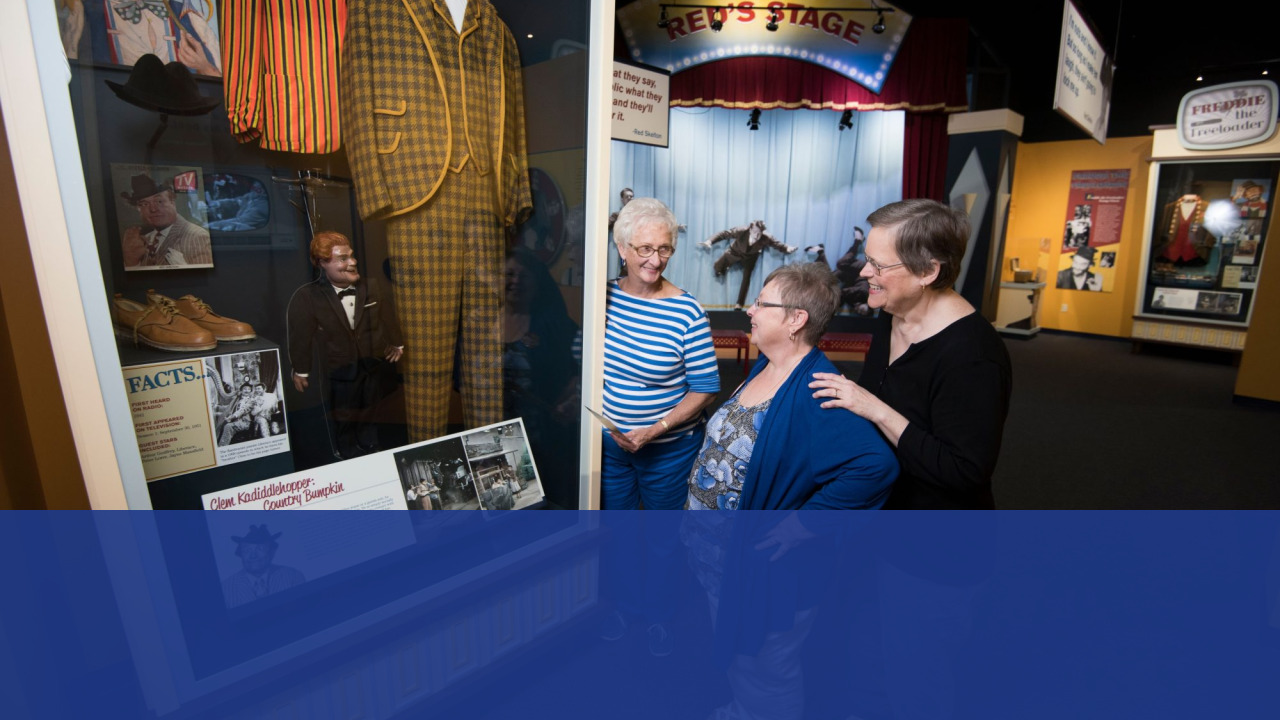
Traditional art galleries often enforce a quiet, reverent atmosphere that alienates casual visitors, but comedian Max Norman disrupts this outdated model with infectious humor. Performing under his towering alter ego Coco, a self-described time-traveling socialite standing six feet seven inches tall without heels, Norman transforms standard museum walks into interactive, theatrical comedy experiences. During the Edinburgh Fringe Festival, these tours at the National Galleries of Scotland offered visitors an unexpected blend of historical facts, performance art, and unscripted laughter.
- Bridging High Culture and Accessible Comedy
- The Origins of Coco: Childhood Boredom and Revenge Joy
- Anatomy of an Interactive Gallery Tour
- Interactive Role-Play and Physical Reenactments
- Humanizing Historical Subjects
- Why Traditional Art History Needs a Comedy Makeover
- Traditional Museum Tour Versus Max Norman Coco Tour
- The Psychology of the Mask: Freedom Through Character
- Scaling the Chaos: Global Fringe Festivals and Beyond
- The Future of Cultural Engagement
Rather than treating masterpieces as untouchable artifacts hidden behind velvet ropes, Norman uses comedy to strip away the intimidation factor of high culture. This approach addresses a fundamental disconnect in modern cultural engagement. Museums host millions of visitors annually, and history podcasts or period dramas attract massive audiences, proving that people do not hate culture. They simply feel excluded by the unspoken rules, elitist jargon, and rigid silence mandated by traditional institutions.
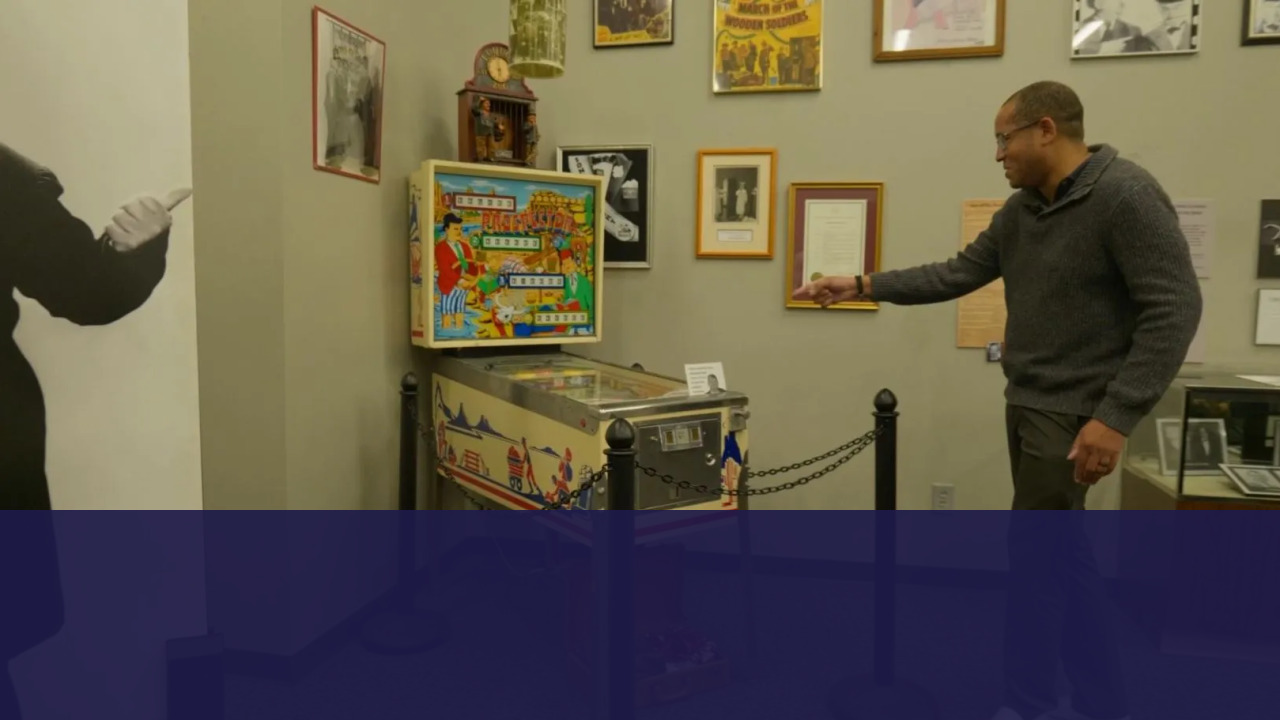
Bridging High Culture and Accessible Comedy
Exploring the shift from reverent silence to shared laughter in art galleries requires examining how modern audiences consume history. For decades, cultural institutions operated like quiet libraries where vocal enthusiasm was strictly discouraged. This solemn environment creates an invisible barrier, making everyday visitors feel as though they lack the proper academic credentials to appreciate a painting. Max Norman shatters this dynamic by introducing uninhibited joy into spaces that take themselves far too seriously.
How Norman uses performance art to dismantle intimidation factors in museums is rooted in playfulness. By donning vintage gowns, dramatic makeup, and towering heels, he changes the physical energy of the room instantly. When a towering historical persona loudly critiques the posture of a Renaissance subject, the heavy atmosphere lifts. Visitors realize that art history is not a pop quiz, but a shared human mirror reflecting our collective flaws, eccentricities, and dramas.
The Origins of Coco: Childhood Boredom and Revenge Joy
Every compelling comedic persona stems from a distinct personal origin, and for Max Norman, Coco emerged from a mix of childhood frustration and career desperation. Growing up, Norman endured endless museum visits orchestrated by his mother, an artist and ceramicist. While his mother appreciated the nuanced brushwork of Old Masters, young Norman experienced damp concrete floors, echoing halls, and the distant promise of cafeteria cake as his primary incentives for good behavior.
Navigating endless museum halls as a bored child waiting for cafeteria cake laid the subconscious groundwork for his future career. Years later, facing a stalled stand-up career and growing apathy within the comedy circuit, Norman established a personal challenge. He gave himself ninety days to secure a new comedy agent using short-form digital content. One afternoon at the National Portrait Gallery in London, he slipped into character as Coco. Armed with zero strategy and an improvised script, he began interacting with art and unsuspecting bystanders alike, leading to an accidental viral breakthrough that generated millions of views and opened doors to international festival circuits.

Anatomy of an Interactive Gallery Tour
A standard Max Norman gallery tour diverges wildly from conventional audio-guided museum visits. Participants do not shuffle silently from frame to frame while listening to monotone curators. Instead, they enter an immersive theatrical environment where history becomes a contact sport. During his performances at the National Galleries of Scotland and institutions across London, Norman utilizes several distinct engagement strategies to keep audiences on their toes.
Interactive Role-Play and Physical Reenactments
Visitors participate in physical reenactments, such as dropping to the floor to visualize the eighteenth-century fall of the Jacobites or curtsying deeply before portraits of British monarchs. Groups occasionally burst into synchronized gallops across gallery rooms, shattering the solemn silence of the building. This physical engagement turns passive spectators into active participants in a living theatrical piece.
Humanizing Historical Subjects
Norman shifts the narrative away from dry dates and technical mediums, focusing instead on the egos, financial panics, scandals, and romantic escapades of historical figures. Unscripted reactions from museum patrons who stumbled onto the tour often provide some of the funniest unscripted moments of the production. At the conclusion of the experience, Norman drops the Coco persona entirely, offering audiences a candid, vulnerable conversation about the performance and the psychology behind the mask.
Why Traditional Art History Needs a Comedy Makeover
Galleries often function as secular temples where visitors whisper, walk slowly, and worry that expressing confusion about an abstract sculpture exposes a lack of sophistication. This self-imposed intimidation keeps casual learners on the outside looking in. Art history, however, is rarely polite or clean. Historical artists and their subjects lived messy, complicated lives filled with poor decisions, intense rivalries, and dramatic scandals.
Consider Caravaggio, the legendary Baroque painter who once hurled a plate of hot artichokes directly into a waiter’s face during a dispute. Yet, standard museum plaques rarely highlight these humanizing details. By injecting levity into these spaces, Norman bridges the gap between historical events and modern emotional realities. When an audience laughs at the absurdity of a monarch’s financial ruin or a painter’s volatile temper, the psychological barrier protecting the artwork evaporates.
Traditional Museum Tour Versus Max Norman Coco Tour
| Traditional Museum Tour | Max Norman Coco Tour |
|---|---|
| Strict silence and solemn reverence | Active laughter, banter, and play |
| Focus on technical brushwork and dates | Focus on gossip, human error, and personal drama |
| Passive listening via audio guides | Active participation (curtsies, floor drops, role-play) |
| Intimidating, academic atmosphere | Accessible, welcoming, and irreverent |
| Observer perspective | Immersive, participant-driven experience |
The Psychology of the Mask: Freedom Through Character
Behind the towering heels, vintage gowns, and champagne-fueled bravado lies a complex theatrical exercise. Max Norman views Coco not merely as a comedic prop, but as a psychological key that unlocks distinct personal traits. While Max describes himself as thoughtful and cautious, Coco embodies unbridled boldness, sensuality, flirtation, and directness. This duality highlights the transformative power of character work in modern comedy.
The mask grants permission to bypass social anxieties and connect with strangers instantaneously. In a political and cultural climate defined by hesitation and fear, Norman uses uninhibited audacity as a tool for bridge-building. He notes that the world does not need more venom or cynicism, but rather craves genuine connection delivered through joy. Audiences respond to this vulnerability. When Norman steps out of character at the end of a tour, the visible shock on peoples faces emphasizes how completely he inhabits the role.
Scaling the Chaos: Global Fringe Festivals and Beyond
Following sold-out runs in the United Kingdom, Norman expanded his theatrical footprint internationally. Major cultural institutions and festival organizers quickly recognized the appetite for disruptive educational entertainment. Engaging with the Edinburgh Fringe, Adelaide Fringe, and major galleries Down Under proved that international audiences share a deep desire to experience history through a comedic lens.
Balancing daytime chaotic gallery tours with nighttime stand-up storytelling requires immense physical stamina and sharp comedic timing. Norman manages this grueling schedule by treating every tour as a living, breathing organism that adapts to the specific architecture and crowd of each museum. This global expansion demonstrates that traditional art institutions everywhere are looking for fresh, engaging ways to open their doors to new demographics.
The Future of Cultural Engagement
Max Norman and Coco provide a vital blueprint for modern museums looking to attract younger, more diverse demographics who might otherwise skip cultural institutions entirely. Proving that laughter and historical reverence can coexist inside public galleries changes how curators think about public programming. Education does not have to be dry to be accurate, and historic figures become much more compelling when viewed as flawed, funny human beings.
Encouraging audiences to engage directly with the human stories behind centuries of art ensures that galleries remain vibrant community spaces rather than quiet mausoleums. As Norman continues to scale his performances across the globe, he leaves behind a trail of amused patrons, enlightened art enthusiasts, and a completely redefined standard for museum tours.