
Former NFL star running back Chris Johnson has provided a comprehensive update regarding his ongoing battle with amyotrophic lateral sclerosis, or ALS. Speaking publicly around his 41st birthday on September 23, 2026, the former Tennessee Titans standout detailed the severe physical limitations brought on by the rapid progression of this neurodegenerative condition. Diagnosed in May 2025 at age 39, Johnson now relies on an eye-controlled speech-generating tablet for communication, utilizes an electric wheelchair for mobility, and requires non-invasive respiratory support. Despite a significant loss of motor function across his limbs and vocal cords, Johnson confirmed that his cognitive abilities remain fully intact, allowing him to stay actively engaged as a father and husband.
- Current Health Status and Disease Progression
- Loss of Physical Autonomy and Motor Control
- Cognitive Preservation Amid Bulbar Degradation
- Assistive Technologies and Daily Medical Care
- Caregiver Dynamics and Family Support Systems
- Postponement of Tennessee Titans Ring of Honor Ceremony
- Professional Legacy: The Historical Speed of CJ2K
- Frequently Asked Questions
- When was Chris Johnson diagnosed with ALS?
- How does Chris Johnson communicate now?
- Why was the Tennessee Titans Ring of Honor ceremony postponed?
Current Health Status and Disease Progression
Chris Johnson first noticed subtle physical changes in early 2025, primary among them a loss of strength in his right hand alongside a persistent cough. Initial clinical evaluations led to further neurological testing, culminating in a formal diagnosis of sporadic ALS in May 2025. This sudden medical reality altered the trajectory of his life just years after stepping away from professional football.
Over the subsequent 17 months, the disease has manifested rapid physical deterioration, affecting both upper and lower motor neurons. The speed of the progression caught medical professionals and family members off guard, moving swiftly from minor hand weakness to widespread muscle atrophy. This aggressive timeline underscores the unpredictable and devastating nature of sporadic ALS cases.
Medical researchers continue studying sporadic variations to understand why certain physical pathways degrade much faster than others. Early intervention protocols are constantly evolving to help patients adapt.
Loss of Physical Autonomy and Motor Control
The progression of motor neuron degradation has stripped Johnson of his physical independence. The loss of voluntary muscle control currently prevents him from performing fundamental daily activities without total assistance. Key physical developments include vocal cord paralysis, which eliminates natural vocal speech due to lost control over the larynx and pharyngeal muscles.
Upper limb impairment prevents him from gripping objects, holding cups, or lifting his eight-year-old daughter, Honey. Lower limb mobility loss requires full-time use of a motorized power wheelchair because he can no longer bear weight or walk independently. Finally, respiratory assistance has become mandatory, utilizing continuous positive airway pressure and non-invasive ventilation devices to assist weakened diaphragmatic muscles during rest and daily activities.
Adaptive daily living equipment helps bridge the gap left by sudden physical decline.
Cognitive Preservation Amid Bulbar Degradation
While ALS attacks the somatic motor system, it typically spares sensory nerves and higher-order cortical regions responsible for intellect. Johnson emphasized that his mental acuity, memory, emotional awareness, and decision-making capacities remain completely unaffected by the disease. His brain continues to function at a high level while his physical body fails.
Johnson shared insight into this mental reality, stating that having your mind still completely there while your body stops doing things you have done your entire life is one of the hardest parts. He hears everything, understands everything, and still wants to participate in family decisions. This disparity between a fully functioning brain and a failing muscular system creates substantial psychological challenges, requiring adaptive tools for everyday life.
Mental strength remains an anchor for athletes facing unexpected neurological diagnoses.
Assistive Technologies and Daily Medical Care
Managing late-stage ALS requires a combination of sophisticated hardware, continuous medical monitoring, and routine physical therapy. Johnson’s care plan relies heavily on assistive technology to bridge the communication gap created by vocal paralysis. Eye-tracking augmentative and alternative communication systems play a central role in his daily routine.
This eye-gaze system functions through specialized hardware and software components, including low-level infrared optical trackers that monitor corneal reflections and pupil movement with high precision. By dwelling his gaze on specific letters, words, or pre-programmed phrases on a digital display, Johnson constructs sentences in real time. A speech-generating synthesizer then converts the text into audible speech, allowing him to communicate directly with family members, medical staff, and visitors.
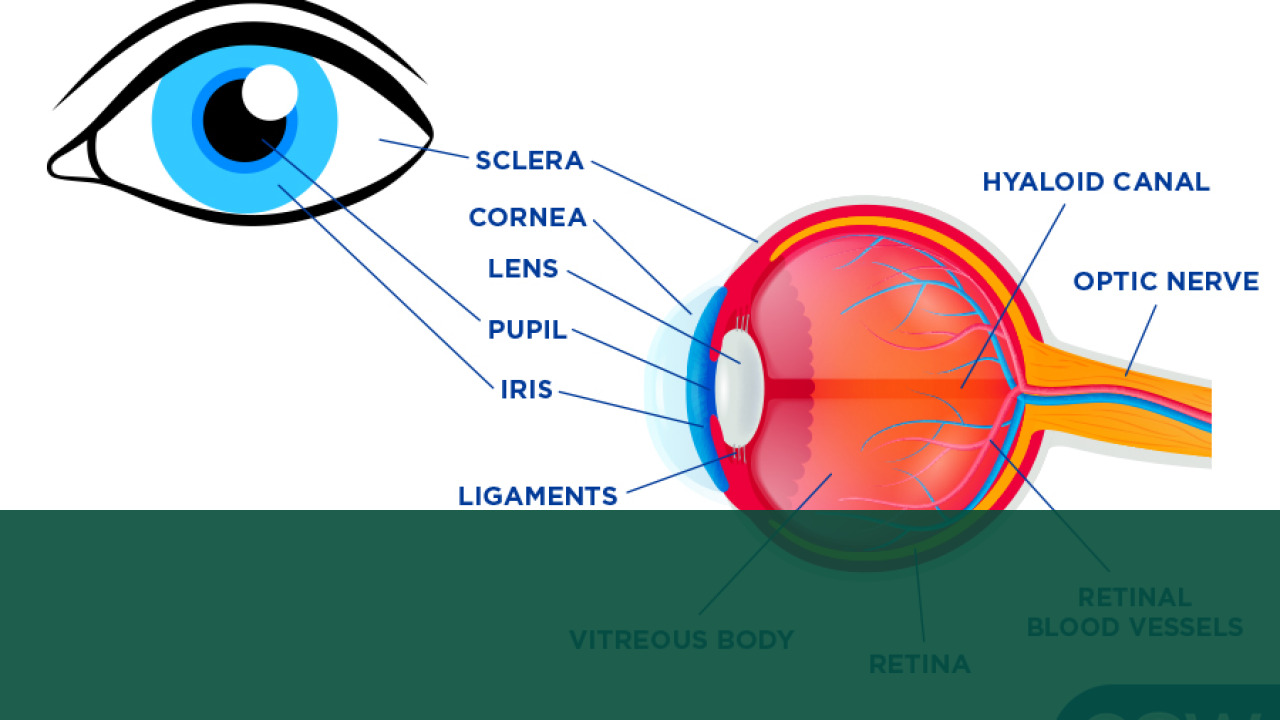
Physical therapy regimens featuring passive range-of-motion exercises are also vital to prevent joint contractures and maintain circulation. Because ALS causes progressive muscular atrophy and spasticity, regular physical interventions relieve muscle stiffness and reduce painful spasms. Round-the-clock respiratory management ensures proper oxygenation and prevents hypercapnia, or carbon dioxide retention, to keep him comfortable throughout the day and night.
Daily medical routines require precise scheduling and dedicated nursing support.
Caregiver Dynamics and Family Support Systems
The logistical and emotional weight of managing advanced ALS extends beyond the patient, impacting the entire household structure. Johnson’s primary support ecosystem relies on a dedicated family network. Brittany Johnson has served as her husband’s primary caregiver since his diagnosis in May 2025, managing total bodily care, medication administration, and monitoring equipment.
Reflecting on the 17-month caregiving period, Brittany described her role as an essential calling, emphasizing that maintaining an in-home care structure provides stability for their four children, including 20-year-old Lee, 14-year-old twins CJ and Kaden, and 8-year-old Honey. To assist with the continuous physical demands of caregiving, extended family members, such as cousin Tamika Bridges, provide secondary caregiving shifts to ensure round-the-clock coverage.
Strong support networks significantly improve the daily quality of life for neurodegenerative patients.
Postponement of Tennessee Titans Ring of Honor Ceremony
The rapid decline in Johnson’s physical condition directly impacted planned honors celebrating his professional football achievements. The Tennessee Titans had formally scheduled Johnson’s induction into the franchise’s Ring of Honor for Week 1 of the 2026 NFL season on September 13 in Nashville. This event would have marked a major milestone in celebrating his storied career.
However, two days prior to the ceremony, the organization announced a postponement. The severity of Johnson’s physical limitations and the complex logistics of medical transport rendered travel from his Florida home to Nashville unfeasible. The Titans confirmed that the induction remains postponed until accommodations can safely support Johnson and his family for a public celebration.
Franchise leaders maintain open communication regarding future tribute plans.
Professional Legacy: The Historical Speed of CJ2K
Before his ALS diagnosis, Chris Johnson established himself as one of the most explosive running backs in National Football League history. Selected in the first round of the 2008 NFL Draft by the Tennessee Titans out of East Carolina University, Johnson immediately brought elite speed and playmaking ability to the professional level.
His legendary status was cemented during the 2008 NFL Scouting Combine when he blazed a historic 4.24-second time in the 40-yard dash, capturing the attention of football fans everywhere. He followed that up with a legendary 2009 campaign that earned him the nickname CJ2K. During that season, he rushed for 2,006 yards, totaled 2,509 yards from scrimmage, and won the NFL Offensive Player of the Year award.
Over a productive ten-season career spanning stints with the Titans, New York Jets, and Arizona Cardinals, Johnson amassed over 9,600 rushing yards and earned three Pro Bowl selections. While his current battle with ALS represents a profound personal challenge, his historic accomplishments on the gridiron remain an unforgettable chapter of NFL history.
Fans continue to honor his remarkable athletic contributions to the sport.
Frequently Asked Questions
When was Chris Johnson diagnosed with ALS?
Chris Johnson received his sporadic ALS diagnosis in May 2025 at the age of 39.
How does Chris Johnson communicate now?
He uses an eye-controlled speech-generating tablet that tracks corneal movement to spell out words and synthesize speech.
Why was the Tennessee Titans Ring of Honor ceremony postponed?
The ceremony was postponed due to complex medical travel logistics and severe physical limitations preventing safe transit from Florida to Nashville.