Israeli military bulldozers and armed settlers uprooted hundreds of mature olive trees across multiple regions of the occupied West Bank. This targeted destruction happened just days before the annual olive harvest season, which officially begins in October. Operations concentrated in agricultural zones near Ramallah, specifically in Deir Nizam, alongside major clearing activities in northern districts like Jenin, Zububa, and Ajjah. Landowners watched helplessly as heavy machinery crushed centuries-old groves right before their eyes.
- Overview of the West Bank Olive Uprooting Crisis
- Targeted Regions and Military Clearance Tactics
- Legal and Procedural Violations on the Ground
- Economic and Cultural Impact on Palestinian Agriculture
- Economic Reliance on Olive Cultivation
- Historical and Cultural Significance
- Escalating Pressures Ahead of the Harvest Season
- Surge in Settler Violence and Movement Restrictions
- Systematic Clearance Near Strategic Corridors
- Long-Term Consequences for Rural Livelihoods
- Agricultural Disruption and Recovery Timelines
- Humanitarian Vulnerabilities and International Observations
- Frequently Asked Questions
- When does the West Bank olive harvest season begin?
- How much of the Palestinian economy relies on agriculture?
- What areas were targeted in the recent uprooting operations?
- Why are olive trees historically significant to Palestinians?
Overview of the West Bank Olive Uprooting Crisis
Human rights groups and local monitors report that military orders frequently serve as a pretext for destroying land well beyond official boundaries. In several locations, bulldozers cleared plots without producing any prior legal notices. Families arrived at their ancestral lands only to find compacted earth where productive orchards stood for generations.
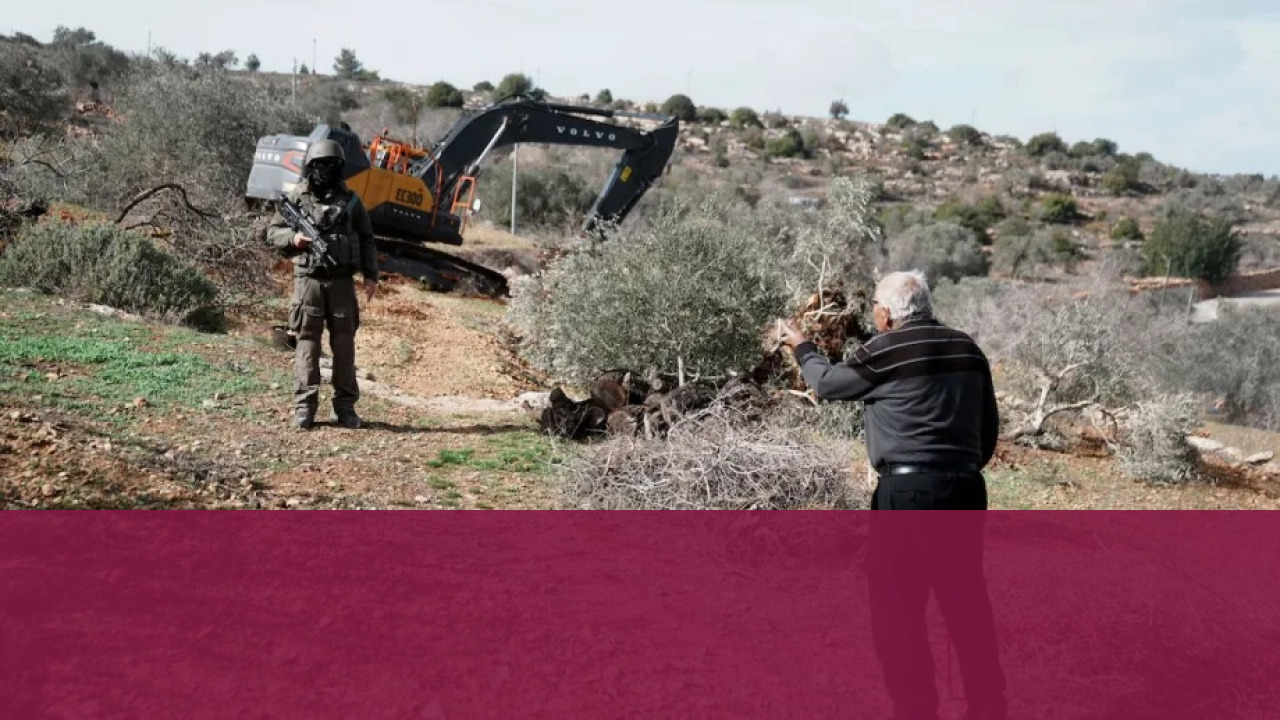
The timing of these operations reveals a calculated effort to disrupt the agricultural calendar. By striking immediately before the harvest, military units and settler groups ensure that farmers lose not only their current crop but also the immediate financial returns required to sustain their households through the winter months.
Local community leaders struggle to document every single incident as new reports arrive daily from remote farming villages. International monitors express deep concern regarding these rapid escalation patterns across agricultural sectors.
Targeted Regions and Military Clearance Tactics
- Destruction in agricultural zones near Ramallah, specifically Deir Nizam.
- Heavy clearing activities in northern districts, including Jenin, Zububa, and Ajjah.
- Discrepancies between official military paperwork and actual ground operations.
Legal and Procedural Violations on the Ground
- Lack of prior legal notices served to local landowners before heavy machinery enters plots.
- Systematic expansion of clearance zones beyond officially designated borders.
- Absence of legal recourse for farmers watching properties get destroyed.
Economic and Cultural Impact on Palestinian Agriculture
The olive sector forms the backbone of the rural Palestinian economy. According to data from the Palestinian Authority Ministry of Agriculture, olive cultivation accounts for roughly 8 percent of the total Gross Domestic Product and supports more than 60,000 jobs. Families across the West Bank rely on the annual yield for essential household income and commercial oil production.
Individual farming families face the sudden destruction of thousands of liters of prospective olive oil production. Farmers like Abd Alfattah Tamimi and Nather Tamimi report devastating losses that wipe out years of careful pruning, plowing, and investment. Without this income, rural households slip deeper into financial precarity.
Regional markets suffer immediate supply shortages when primary orchards experience coordinated seasonal destruction. Small business owners dependent on olive pressing face severe revenue drops.
Economic Reliance on Olive Cultivation
- Contribution of olives to the rural Palestinian economy and gross domestic product share.
- Support for tens of thousands of jobs across the West Bank.
- Loss of household income and prospective commercial oil production for individual farming families.
Historical and Cultural Significance
- Centuries-old groves acting as living symbols of heritage and unbroken connection to the land.
- Multi-generational family stewardship ending abruptly through targeted clearance.
Escalating Pressures Ahead of the Harvest Season
The timing of the uprooting operations amplifies widespread anxiety throughout farming communities. Palestinian human rights organizations document a sharp surge in illegal settler attacks, crop theft, and physical intimidation targeting agricultural workers. Farmers attempting to reach groves near Israeli settlements or military separation barriers face severe movement restrictions.
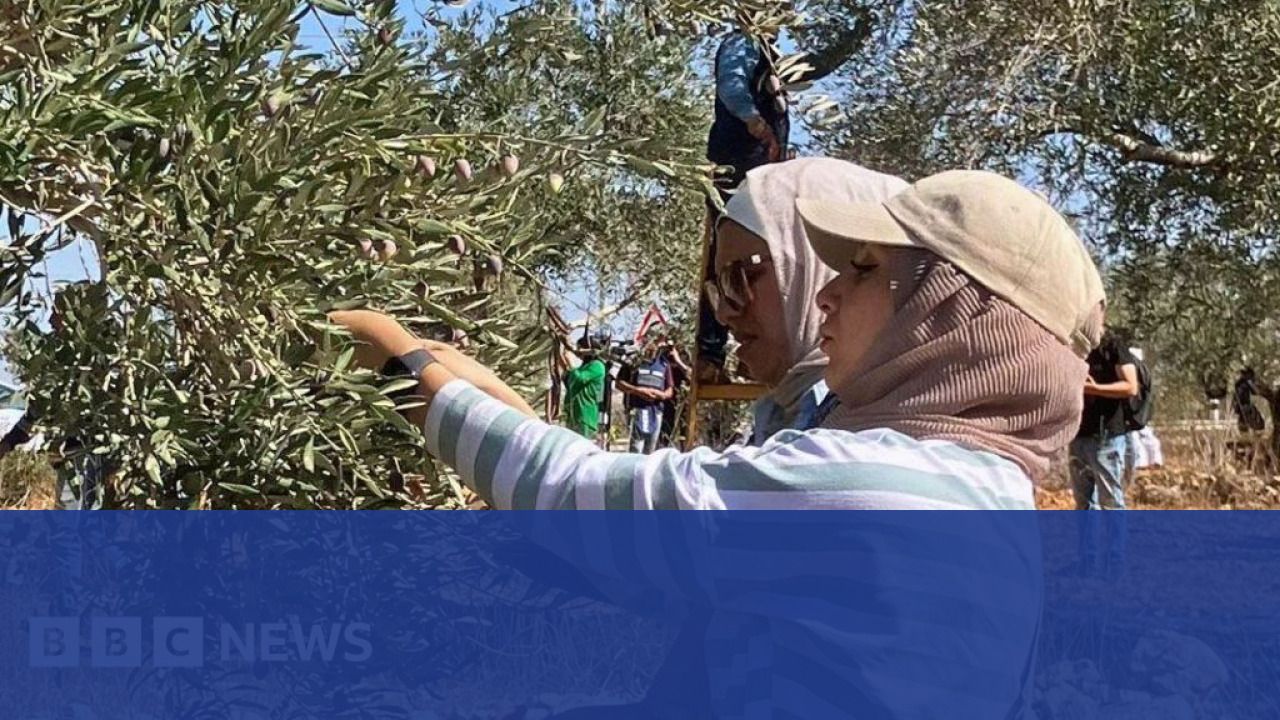
Military clearance orders target strategic land parcels near checkpoints, settlements, and separation barriers. Representatives from the Palestinian Commission Against the Wall and Settlements note that over 2,950 trees have been destroyed in the Jenin governorate alone since the beginning of the year, affecting more than 300 dunams of productive land.
Agricultural syndicates coordinate emergency response committees to help displaced farmers secure alternative grazing and planting options. Security patrols remain sparse, leaving vulnerable rural properties exposed to constant threats.
Surge in Settler Violence and Movement Restrictions
- Rising illegal settler attacks, crop theft, and physical intimidation against agricultural workers.
- Severe movement restrictions preventing farmers from reaching groves near settlements and barriers.
Systematic Clearance Near Strategic Corridors
- Targeting land parcels near checkpoints and separation barriers.
- Data from the Palestinian Commission Against the Wall and Settlements regarding destroyed trees and dunams of productive land in Jenin.
Long-Term Consequences for Rural Livelihoods
The systematic removal of perennial orchards threatens to permanently alter the rural landscape of the West Bank. Replanting olive trees requires decades of patient cultivation before achieving commercial viability, meaning affected families face multi-year economic displacement. The loss of these trees creates a permanent scar on the ecology and economy of the region.
International observers warn that agricultural devastation deepens humanitarian vulnerabilities across rural communities. As fields are flattened and access routes are blocked, families lose their self-sufficiency, forcing reliance on external aid and shifting the demographic makeup of rural West Bank villages.
Environmental experts note that mature root systems prevent soil erosion across hilly terrain. Removing these protective trees increases desertification risks across vulnerable agricultural valleys.
Agricultural Disruption and Recovery Timelines
- The multi-decade cultivation timeline required to replace perennial orchards.
- Permanent alteration of the rural landscape across the West Bank.
Humanitarian Vulnerabilities and International Observations
- Deepening humanitarian risks for rural farming communities.
- Responses from international observers monitoring agricultural devastation.
Frequently Asked Questions
When does the West Bank olive harvest season begin?
The annual olive harvest season traditionally begins during the first week of October, serving as a critical economic and social period for Palestinian communities.
How much of the Palestinian economy relies on agriculture?
The agricultural sector accounts for approximately 8 percent of the Palestinian GDP and directly supports over 60,000 jobs, with olives representing the single largest sub-sector.
What areas were targeted in the recent uprooting operations?
Recent operations concentrated in Deir Nizam near Ramallah, as well as northern villages near Jenin, including Zububa and Ajjah close to the separation barrier.
Why are olive trees historically significant to Palestinians?
Olive trees represent enduring heritage and economic independence, with many groves cultivated by the same families across multiple generations.