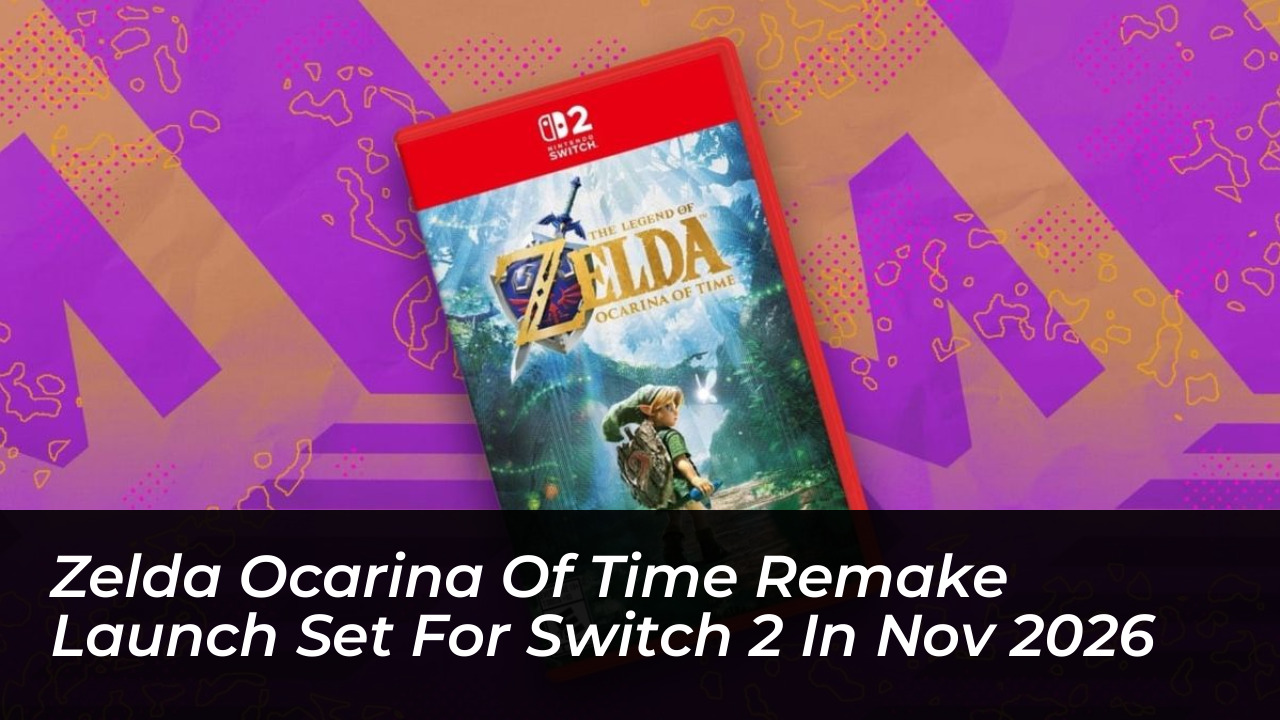
Nintendo has officially slated the release of The Legend of Zelda: Ocarina of Time remake for the Nintendo Switch 2, locking in an official launch date of November 5, 2026. Revealed during the September 8, 2026, 40th Anniversary Direct showcase, series producer Eiji Aonuma showcased initial gameplay footage of the ground-up rebuild. This project anchors Nintendo’s holiday hardware and software lineup, arriving just weeks ahead of major competing autumn titles.
- Release Date, Pricing, and Physical Editions
- Hardware Bundles and Dedicated Accessories
- Ground-Up Rebuild Versus Original N64 Architecture
- Modernized Mechanics and Traversal Updates
- Movement Innovations
- Seamless World Design
- Cinematic Presentation and Symphonic Re-Recording
- Interactive Microphone Mechanics and Ocarina Controls
- Zelda Notes Companion App Integration
- Amiibo Figures and 2027 Merchandise Roadmap
- Global Concert Tour and Live-Action Film Coordination
- Frequently Asked Questions
- What makes the Switch 2 version a remake rather than a remaster?
- Do I need the 40th Anniversary hardware bundle to play the game?
- How does the microphone feature work with ocarina songs?
- When does the live-action Zelda movie release?
The announcement highlights Nintendo’s aggressive strategy for the Switch 2 platform, ensuring that a powerhouse classic drives early system adoption. By moving away from simple porting or minor touch-ups, the development team is betting heavily on nostalgia paired with modern engineering to capture both veteran fans and newcomers alike.
Release Date, Pricing, and Physical Editions
Retailers opened preorders immediately following the September Direct presentation. Physical editions of The Legend of Zelda: Ocarina of Time remake are priced at $69.99, while digital versions cost $59.99 on the Nintendo eShop. This pricing tier reflects the scope of a modern, high-definition production built entirely from scratch.
The physical release features a collectible first-print run boasting textured foil cover art available while supplies last. Unlike simple visual remasters that recycle original code, this project constitutes a full rebuild in a modern game engine with new assets, lighting models, and geometry. Early bird purchasers will receive an exclusive art book containing conceptual designs from both the original 1998 production and the current development cycle.
Hardware Bundles and Dedicated Accessories
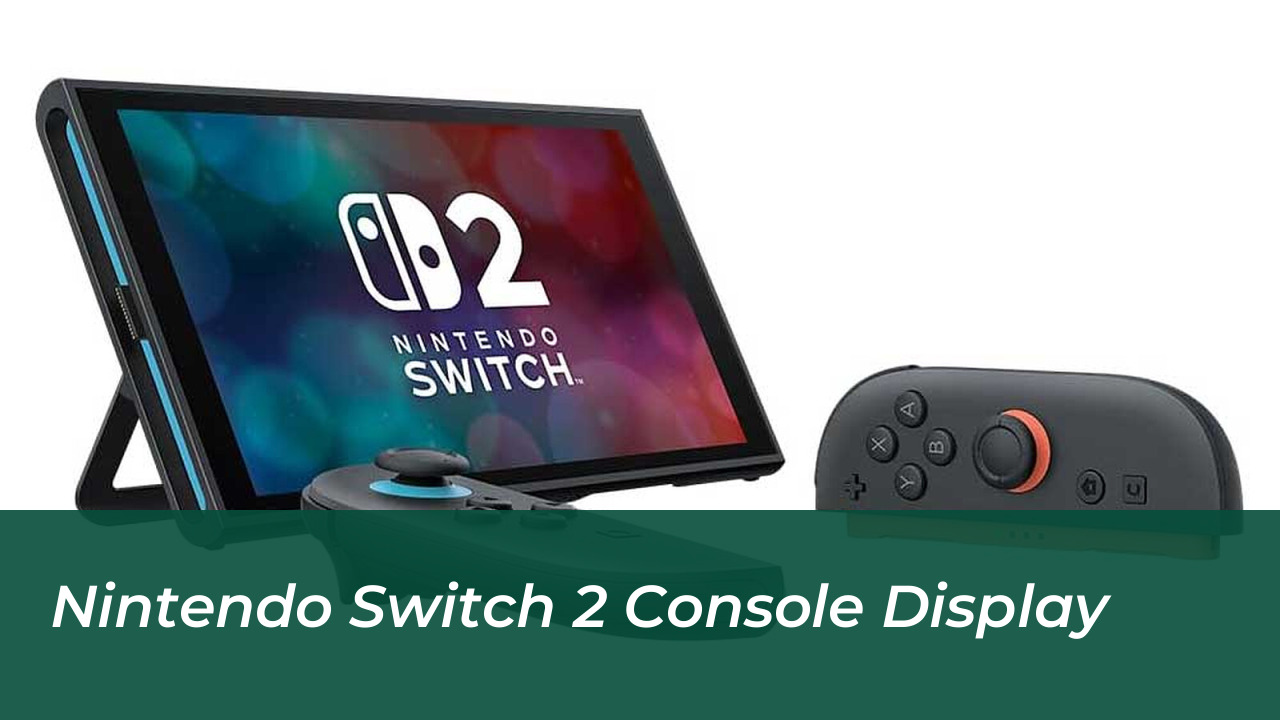
To support the software debut, Nintendo scheduled the hardware release for October 29, 2026, exactly one week before the game arrives. Collectors can purchase the Nintendo Switch 2 – The Legend of Zelda 40th Anniversary Edition system, featuring custom Triforce motifs on the console back panel, themed Joy-Con 2 controllers, and a matching dock.
The hardware ecosystem extends far beyond the console itself. Fans can acquire an Anniversary Pro Controller with or without an optional display stand, alongside a branded carrying case packaged with a screen protector. Licensed playable ceramic or resin ocarinas and HORI electronic ocarinas arrive later in 2026 to complete the collector experience.
Ground-Up Rebuild Versus Original N64 Architecture
The original 1998 Nintendo 64 release shaped 3D action-adventure design for generations. The Switch 2 edition replaces aging assets with modernized mechanics while preserving the narrative structure of Young Link and the Hero of Time. Aonuma confirmed that performance targets include faster load times, stable high frame rates, and native high-resolution rendering.
Moving away from the architectural limits of the N64 allows developers to completely rethink how Hyrule functions as a living space. Code bottlenecks that plagued the original release are entirely absent, permitting complex AI routines and dense environmental interactions that were previously impossible. Advanced dynamic weather systems transform familiar fields into unpredictable wilderness environments.
Modernized Mechanics and Traversal Updates
Movement systems receive a complete overhaul to match contemporary action standards. Link now benefits from abilities absent from both the 1998 original and the 2011 Nintendo 3DS version.
Movement Innovations
A dedicated jump button replaces automated context-based jumping for precise platforming. Rolling now transitions smoothly into a full running sprint, and expanded swimming mechanics allow for deeper exploration across Lake Hylia and domain dungeons.
Seamless World Design
Routine shop and house entries eliminate loading screens entirely. A real-time continuous day and night cycle advances dynamically, even during indoor town sequences or lengthy dialogue encounters.
Cinematic Presentation and Symphonic Re-Recording
All cutscenes feature professional voice acting across an expanded script that adds emotional depth to classic moments. The original MIDI soundtrack has been completely re-recorded by a live orchestra, providing dynamic audio cues that adapt to exploration pacing and environmental changes.
The cinematic presentation utilizes modern lighting engines to cast realistic shadows during sunset across Hyrule Field. These visual upgrades work in tandem with the symphonic score to elevate the emotional beats of the story without altering the core narrative milestones established decades ago.
Interactive Microphone Mechanics and Ocarina Controls
The Nintendo Switch 2 built-in microphone introduces interactive musical puzzle-solving. Players can hum, sing, or physically play musical notes directly into the console microphone. The system detects the audio input and triggers the corresponding in-game ocarina song to open doors, summon weather, or warp across Hyrule.
For direct physical input without vocalization, HORI produces an electronic ocarina peripheral. Acoustic instruments are also available for musicians looking for an authentic performance experience while tackling classic tunes like the Song of Time or Saria’s Song.
Zelda Notes Companion App Integration
The smart-device companion app integrates directly with the Switch 2 version from day one, offering multiple interactive modes to keep players engaged away from the TV screen.
- Today Record tracks daily accomplishments, playtime, and defeated enemy statistics.
- Gossip Quest challenges players to locate in-game areas using hint images to earn musical score points.
- Play Ocarina operates as a touchscreen instrument on smart devices with QR code sharing.
- Daily Trivia Quiz tests franchise knowledge across a database of over 2,000 questions.
Amiibo Figures and 2027 Merchandise Roadmap
Nintendo outlined additional collectibles slated for release following the game launch. New Young Link and Young Zelda amiibo figures arrive in 2027, unlocking retro graphical style masks in the game. Meanwhile, the Mineru’s Construct amiibo for Tears of the Kingdom launches on September 17, 2026.
Broader merchandising plans include a 1,750-piece LEGO adult display model of Link and Epona in spring 2027. Fans can also look forward to a Hasbro Electronic Master Sword replica designed for collectors and cosplay enthusiasts alike.
Global Concert Tour and Live-Action Film Coordination
The November launch forms part of a multi-vertical brand expansion celebrating the franchise anniversary. A global orchestral tour begins in Tokyo on January 23, 2027, traveling to major cultural hubs like Chicago, London, and Melbourne.
Concurrently, the live-action movie directed by Wes Ball and co-financed by Nintendo and Sony Pictures is scheduled to open in theaters worldwide on April 30, 2027. This coordinated media blitz ensures maximum public visibility across gaming, music, and cinema.
Frequently Asked Questions
What makes the Switch 2 version a remake rather than a remaster?
The game is rebuilt from scratch in a new engine with entirely new assets, full voice acting, a symphonic orchestral score, reworked controls, and mechanics like a dedicated jump button and underwater diving.
Do I need the 40th Anniversary hardware bundle to play the game?
No. The game is available as a standalone physical and digital purchase for all Nintendo Switch 2 owners. The hardware bundle is a separate optional collector item.
How does the microphone feature work with ocarina songs?
The Nintendo Switch 2 built-in microphone captures the user humming or playing a note, translating the audio directly into the corresponding in-game song sequence.
When does the live-action Zelda movie release?
The live-action film opens in theaters globally on April 30, 2027, directed by Wes Ball.