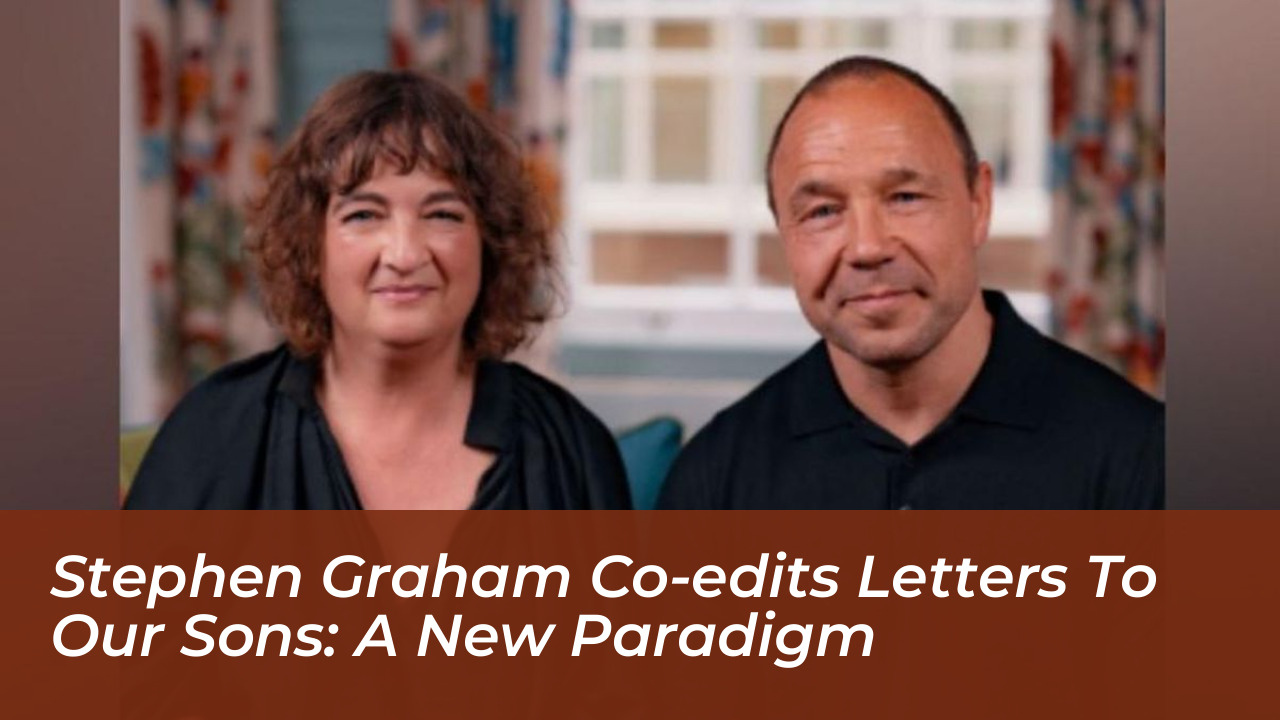
Modern parenting requires a complete shift in how society discusses emotional resilience and masculinity. Emmy-winning actor Stephen Graham and Brighton-based psychology lecturer Orly Klein answer this cultural shift with their new book, Letters to Our Sons. Published on Thursday, September 24, 2026, the volume compiles honest reflections from fathers across the United Kingdom. These personal notes focus on vulnerability, modern guidance, and authentic manhood. Raising teenage boys in contemporary society presents unique psychological challenges. Boys often receive conflicting messages about strength and emotional suppression. This book breaks traditional molds by offering raw, unvarnished wisdom from men who have navigated these exact waters.
- Introduction to Letters to Our Sons
- The Origins of the Literary Project
- The Partnership of Stephen Graham and Orly Klein
- High-Profile Contributors and Grassroots Voices
- Blending Celebrity Insight with Everyday Experience
- A Unique Editorial Choice: Radical Anonymity
- Redefining Modern Manhood and Emotional Literacy
- The Role of Fathers in Teenage Development
- Mental Health and Community Reception
- Media Response and Community Impact
- Lessons for the Next Generation
- Frequently Asked Questions
- Who wrote Letters to Our Sons?
- When was the book published?
- Are the celebrity letters clearly marked?
- Who are some of the notable contributors?
- What is the main theme of the book?
Introduction to Letters to Our Sons
The dialogue surrounding emotional health in young men has evolved past rigid traditional frameworks. Society now recognizes that suppressing feelings causes long-term psychological damage. Stephen Graham Co&Edits New Men's Book Letters to Our Sons addresses this issue directly by providing a platform for fathers to share honest advice. The publication acts as a blueprint for raising boys who value empathy and emotional openness as core strengths.
Fathers face immense pressure to project unwavering authority. However, adolescent boys benefit much more from witnessing humility and accountability. The essays gathered in this collection tear down the illusion of perfection. Contributors share stories of personal doubt, parenting mistakes, and the ongoing journey of self-improvement.
The Origins of the Literary Project
The genesis of this literary project began in an unexpected way. Orly Klein, a psychology lecturer based in Brighton, needed relatable guidance for her teenage son. She reached out to various men, requesting they write personal advice letters addressing the realities of growing up. Klein collected roughly twenty initial responses. The profound impact of these early letters convinced her that the content deserved a wider audience. She pitched the book proposal through a literary agency contact. This crucial step brought Stephen Graham into the fold as both a contributor and a core collaborator.
The Partnership of Stephen Graham and Orly Klein
Stephen Graham brings significant cultural weight to the collaboration. Known for his intense cinematic performances and grounded public persona, Graham champions mental health awareness and emotional openness. His involvement elevates the project from a local experiment to a national conversation. Orly Klein provides the academic framework. Her background in psychology ensures that the book addresses real developmental needs. Together, the actor and the lecturer combine artistic empathy with psychological insight, creating a balanced and impactful anthology.
Blending artistic credibility with academic research gives the book rare depth. Graham connects with readers through his authentic working-class roots and public advocacy for mental health. Klein ensures the psychological principles remain sound and accessible. This dynamic duo successfully bridges the gap between raw emotional storytelling and structured child development theory.
High-Profile Contributors and Grassroots Voices
The publication features an impressive roster of well-known public figures. Prominent actors, musicians, and broadcasters contributed deeply personal notes to the collection. The roster includes Danny Dyer, Romesh Ranganathan, Louis Theroux, Riz Ahmed, and Loyle Carner. Each celebrity contributor strips away public personas to write strictly as fathers. They share personal failures, lessons in humility, and the importance of shedding toxic expectations of masculinity.
Blending Celebrity Insight with Everyday Experience
Celebrities do not carry the book alone. The editors deliberately blended high-profile submissions with voices from local community leaders. Dan Flanagan, founder of the fatherhood organization Dad La Soul, stands out among these local contributors. Including grassroots figures grounds the project in everyday reality. Fathers from diverse socioeconomic backgrounds share identical fears, hopes, and aspirations for their male children. This mix proves that the struggle to raise emotionally healthy sons transcends fame and fortune.
A Unique Editorial Choice: Radical Anonymity
A striking editorial choice defines the structure of Letters to Our Sons. The publishers printed all entries together without highlighting single celebrity names or using bylines at the start of each letter. Readers must engage with every text purely on its conceptual merit. A letter from an award-winning actor sits alongside a note from a local community worker with zero visual hierarchy. This format reinforces the core message: all parental advice carries equal weight when rooted in genuine care.
Anonymity within the chapters removes ego from the reading experience. When a father reads a powerful passage about grief or failure, he cannot dismiss it because a famous person wrote it. The words stand entirely on their own value. This radical editorial decision encourages deeper introspection and shifts the focus away from celebrity worship toward genuine paternal wisdom.
Redefining Modern Manhood and Emotional Literacy
Traditional expectations of men often involve emotional detachment and stoicism. Letters to Our Sons directly challenges this outdated paradigm. Contributors encourage young men to embrace empathy, seek help during mental health struggles, and express affection openly. Psychology supports this shift. Suppressing emotions often leads to isolation and behavioral issues in young adults. By encouraging vulnerability, the book offers a practical roadmap for raising balanced men.
The Role of Fathers in Teenage Development
Teenage boys undergo rapid neurological and social changes. During this critical window, guidance from paternal figures shapes lifelong behavioral patterns. The letters compiled by Graham and Klein emphasize active listening over authoritarian instruction. Fathers in the book admit their own past mistakes. They teach young men that integrity stems from accountability rather than false perfection. This honest mentoring style builds deep trust between generations.
Mental Health and Community Reception
Mental health crises among young men remain a pressing public health concern. The contributors to this volume tackle this issue head-on. They normalize therapy, emotional expression, and the necessity of talking through trauma. Orly Klein ensures that these themes align with sound psychological practices. Emotional literacy is no longer viewed as a secondary skill. It stands as a fundamental survival tool for navigating modern life.
Media Response and Community Impact
Since its release on September 24, 2026, the book has generated significant media attention across British media outlets. Reviewers praise its raw honesty and the deliberate choice to anonymize authorship within the chapters. Social media discussions highlight how deeply the themes resonate with modern parents. Many readers report using the essays as conversation starters with their own adolescent children. Local fatherhood groups and schools are incorporating the book into reading circles. Organizations like Dad La Soul use the essays to facilitate workshops on positive masculinity and active parenting. Community leaders note that fathers often struggle to find safe spaces to discuss emotional vulnerabilities. This publication provides a shared language that makes those difficult conversations much easier.
Lessons for the Next Generation
The core takeaway from Letters to Our Sons centers on authenticity. Young men do not need superhuman role models. They need approachable guides who show them how to handle failure, grief, and success with equal grace. Stephen Graham and Orly Klein succeeded in curating a timeless manual for modern boyhood. The pages remind every reader that true strength lives in the willingness to care deeply and listen actively.
Frequently Asked Questions
Who wrote Letters to Our Sons?
The book was edited and compiled by actor Stephen Graham and psychology lecturer Orly Klein, featuring letters from dozens of British fathers.
When was the book published?
Letters to Our Sons was published on Thursday, September 24, 2026.
Are the celebrity letters clearly marked?
No. The publishers printed all submissions without singling out celebrity names or distinctive bylines, giving every letter equal prominence.
Who are some of the notable contributors?
Contributors include Danny Dyer, Romesh Ranganathan, Louis Theroux, Riz Ahmed, Loyle Carner, and Dad La Soul founder Dan Flanagan.
What is the main theme of the book?
The book focuses on modern manhood, emotional vulnerability, mental health, and practical guidance for raising teenage boys.