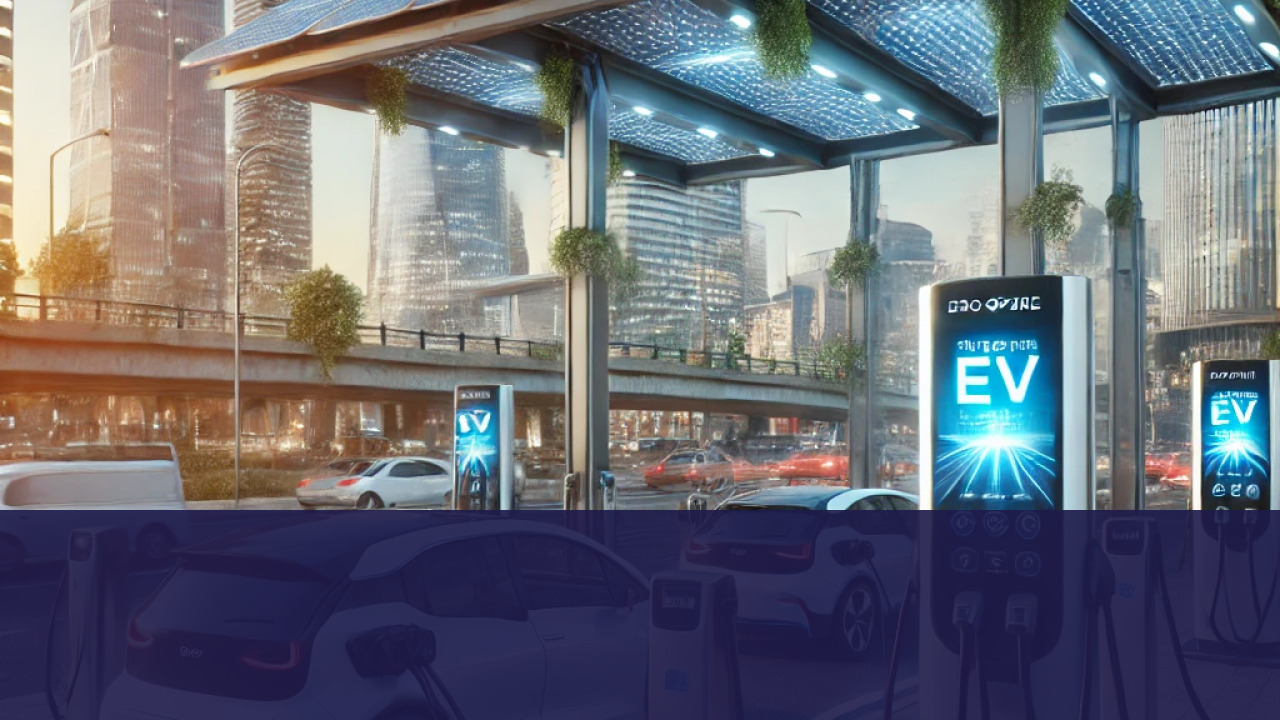
Electric vehicle charging speeds have long faced a hard bottleneck. High-power charging generates extreme heat, accelerating chemical degradation inside lithium-ion cells. Geely Auto Group addresses this engineering barrier with the official launch of Geely Smart Charging. This next-generation platform combines artificial intelligence with advanced thermal management and hardware architecture to deliver record-breaking refueling times without sacrificing battery lifespan.
- The Xingrui PowerMind AI Energy Ecosystem
- Hardware Innovations and Fifth-Generation Stations
- Advanced Battery Chemistries: Shendun Golden and Ultra Short Blade
- Shendun Golden Battery and 12C Peak Charging
- Next-Generation Ultra Short Blade Battery
- Lithium-Ion Pulse Restoration and Long-Term Battery Health
- Grid Integration and Energy Storage Synergy
- Comparative Analysis: Geely Smart Charging Versus Industry Standards
- Future Outlook for Global Electric Mobility
- Frequently Asked Questions
- How fast can the Geely Smart Charging system charge an electric vehicle?
- What prevents the batteries from overheating during ultra-fast charging sessions?
- Does ultra-fast charging reduce overall battery life over time?
The system redefines energy delivery by achieving a 10% to 70% charge in just 4 minutes and 30 seconds. Pushing further to a 97% state of charge takes a mere 8 minutes and 40 seconds. Real-world testing on production-ready platforms such as the Lynk and Co 10 and Zeekr 001 proves this capability operates outside of controlled laboratory parameters. The technology relies on a unified intelligence network rather than isolated power delivery components.
The Xingrui PowerMind AI Energy Ecosystem
At the center of this charging ecosystem sits Xingrui PowerMind. Developed jointly by Geely Auto Group and StepFun, this smart energy artificial intelligence model coordinates the entire energy chain. PowerMind communicates simultaneously with the vehicle, the onboard battery management system, the charging station, cloud infrastructure, the electrical grid, and local energy storage facilities.
Conventional charging stations act as dumb endpoints that push a static current into a vehicle until a voltage limit trips. Xingrui PowerMind treats charging as an interactive dialogue. Algorithms predict battery thermal shifts up to 30 seconds before they manifest physically. By anticipating temperature spikes rather than reacting to them, the system modulates peak current, cooling intensity, and duration in real time. This dynamic adjustment prevents internal resistance surges and protects cell integrity.
Hardware Innovations and Fifth-Generation Stations
Software intelligence requires robust physical infrastructure to move massive amounts of electricity safely. Geely debuts its Fifth-Generation Geely Smart Charging Station alongside the AI platform, capable of delivering a staggering peak charging power of 2,250 kW. Supporting this hardware is an industry-first five-point liquid cooling system.
Heat accumulation typically ruins ultra-fast charging architectures at connection points. Geely eliminates this vulnerability by managing thermal output across five distinct links in the charging chain, covering station energy storage, pile electronics, cables, vehicle ports, and the battery pack. This unbroken thermal circuit maintains an average battery temperature of 55 degrees Celsius during ultra-fast sessions while capping absolute peak temperatures below 65 degrees Celsius.
Advanced Battery Chemistries: Shendun Golden and Ultra Short Blade
Shendun Golden Battery and 12C Peak Charging
Hardware advancements extend directly into the energy storage units housed within the vehicles. The newly engineered Shendun Golden Battery supports a phenomenal peak charging rate of 12C. This extreme rate enables the rapid replenishment speeds observed in the Lynk and Co 10 and Zeekr 001 test vehicles.
Next-Generation Ultra Short Blade Battery
For more accessible consumer models, Geely introduces the Next-Gen Ultra Short Blade Battery. This unit utilizes proprietary laser-welding technology for cell tabs and covers. The precision welding process cuts internal heat generation during charging by 10 percent while raising the peak charging rate to 6C. Safety and high-density energy storage coexist within a compact structural footprint.
Lithium-Ion Pulse Restoration and Long-Term Battery Health
Consumer hesitation regarding ultra-fast charging centers on cumulative battery degradation. Repeated high-speed ion transfer causes lithium ions to accumulate unevenly at the negative electrodes, forming microscopic blockages that diminish capacity over time. Geely counters this degradation with lithium-ion pulse restoration technology.
The system applies controlled micro-pulse currents to reactivate stranded lithium ions and reverse microscopic structural damage caused by fast charging. When paired with Xingrui PowerMind, which tailors a unique charging profile to every individual vehicle and battery pack, this restoration process increases overall battery cycle life by up to 20 percent. For residential routines, Geely implements a low-rate charging strategy. This secondary protocol gradually reverses any minor wear accumulated during emergency fast-charging sessions on the road, ensuring long-term health over the vehicle lifecycle.
Grid Integration and Energy Storage Synergy
Deploying 2,250 kW charging stations places immense pressure on local electrical grids. Geely solves this infrastructure challenge through the grid-coordination capabilities of Xingrui PowerMind. The AI model monitors local grid load fluctuations and integrates on-site energy storage units at the charging stations.
During peak grid demand hours, charging stations draw power from local energy storage batteries rather than straining public utilities. Conversely, during low-demand windows, the system recharges internal station storage efficiently. This bidirectional awareness transforms charging stations into dynamic nodes within smart city energy grids rather than passive electricity drains.
Comparative Analysis: Geely Smart Charging Versus Industry Standards
To understand the significance of Geely’s announcement, industry metrics require direct evaluation against prevailing fast-charging technologies currently deployed globally. The following comparison highlights the leap forward achieved by this new platform.
| Metric | Conventional Fast Charging | Geely Smart Charging Technology |
|---|---|---|
| 10% to 70% Charge Time | 15 to 25 minutes | 4 minutes 30 seconds |
| Peak Station Power | 350 kW to 400 kW | 2,250 kW |
| Thermal Management | Reactive cooling after heating | Predictive AI cooling 30 seconds ahead |
| Degradation Control | None (Passive wear) | Pulse restoration and 20% life boost |
Future Outlook for Global Electric Mobility
Geely Auto Group plans to roll out the Fifth-Generation Geely Smart Charging Stations across key international markets alongside the deployment of compatible vehicle architectures. By neutralizing the dual threats of extreme heat and long-term capacity degradation, this technology removes the primary operational friction points holding back mass electric vehicle adoption.
The integration of artificial intelligence into every layer of the energy transfer process signals a shift from raw electrical brute force to refined, software-defined energy management. As these stations scale globally, refueling an electric vehicle will approach the time commitment of a traditional liquid fuel stop, permanently altering consumer expectations for sustainable mobility.
Frequently Asked Questions
How fast can the Geely Smart Charging system charge an electric vehicle?
The platform achieves a 10% to 70% state of charge in only 4 minutes and 30 seconds.
What prevents the batteries from overheating during ultra-fast charging sessions?
An AI model predicts thermal shifts and a five-point liquid cooling system actively manages heat.
Does ultra-fast charging reduce overall battery life over time?
Geely utilizes pulse restoration technology to actually increase battery cycle life by up to 20 percent.