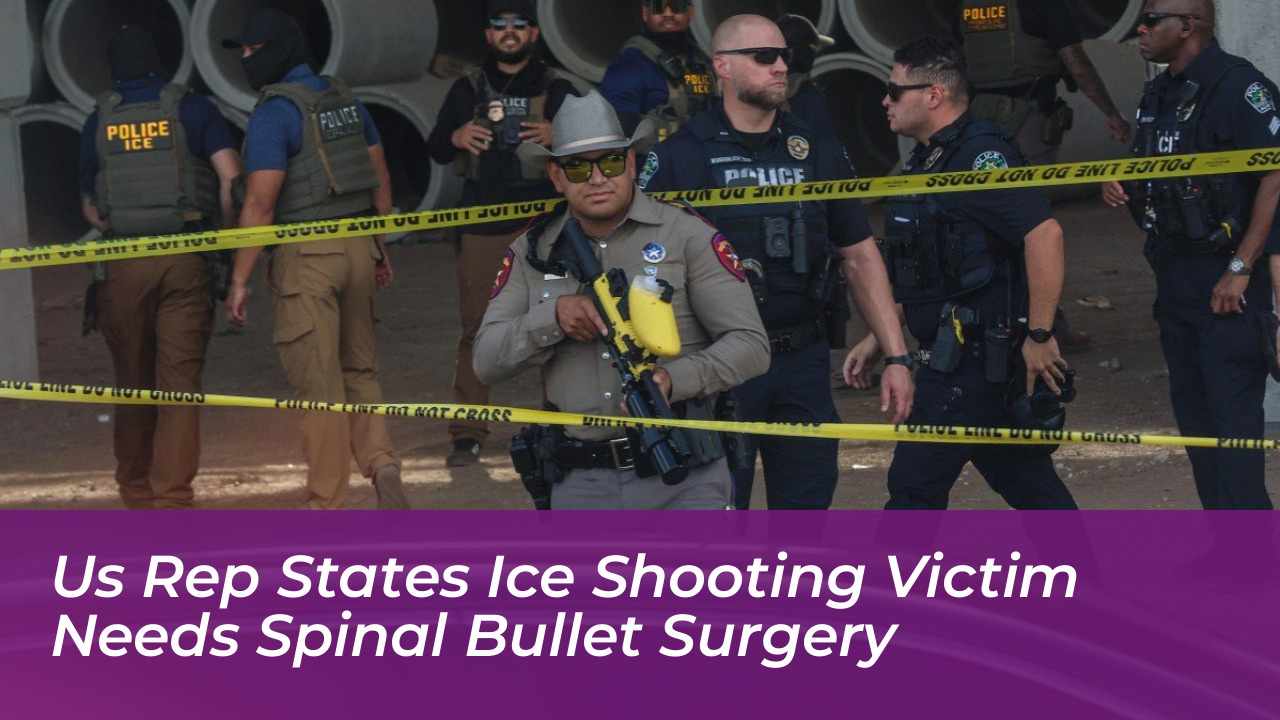
Wilber Rafael Garces Perez, a 28-year-old Venezuelan asylum seeker, urgently requires surgical intervention to extract a bullet lodged dangerously close to his spine. U.S. Representative Greg Casar confirmed this critical medical finding following a congressional site visit to the South Texas ICE Processing Center in Pearsall, Texas. Garces Perez sustained the gunshot wound during a violent traffic stop and brief vehicle pursuit in North Austin while working a shift as a DoorDash delivery driver. This alarming incident exposes systemic vulnerabilities in federal immigration enforcement tactics, highlights severe medical neglect within detention facilities, and accelerates urgent demands for independent federal investigations.
- Introduction to the Austin ICE Shooting Incident
- Medical Status and Urgent Surgical Requirements
- Details of the Spinal Injury
- Detention Facility Medical Care and Interrogation Concerns
- The Traffic Stop and Shooting in North Austin
- Sequence of Events on a Sunday Afternoon
- The Pursuit and Use of Lethal Force
- Body Camera Policy and Transparency Gaps
- The Unactivated Recording Device
- Systemic Compliance Issues in Federal Agencies
- Legal Status, Asylum Claims, and Defense Strategies
- Entry via CBP One and Administrative Complications
- Emergency Legal Petitions and Court Hearings
- Frequently Asked Questions
- Why Does Wilber Rafael Garces Perez Need Surgery?
- What Was the Victim Doing at the Time of the Shooting?
- Did the ICE Officer Use a Body Camera?
- What Is His Current Legal Standing in the United States?
Introduction to the Austin ICE Shooting Incident
Representative Greg Casar led a congressional delegation to the South Texas ICE Processing Center to inspect conditions and evaluate the welfare of detained individuals. During this inspection, lawmakers met directly with Garces Perez, whose physical condition immediately underscored a profound humanitarian and medical crisis inside the federal detention apparatus. The case brings national attention to the unchecked use of lethal force by federal agents during routine traffic stops.
The core issue extends far beyond a single violent encounter. Federal immigration enforcement tactics face intense scrutiny over operational transparency, de-escalation protocols, and the handling of detainees with acute medical needs. Advocacy groups and legal representatives continue to pressure the Department of Homeland Security for accountability, demanding full public disclosure of all records related to the shooting and subsequent medical care.
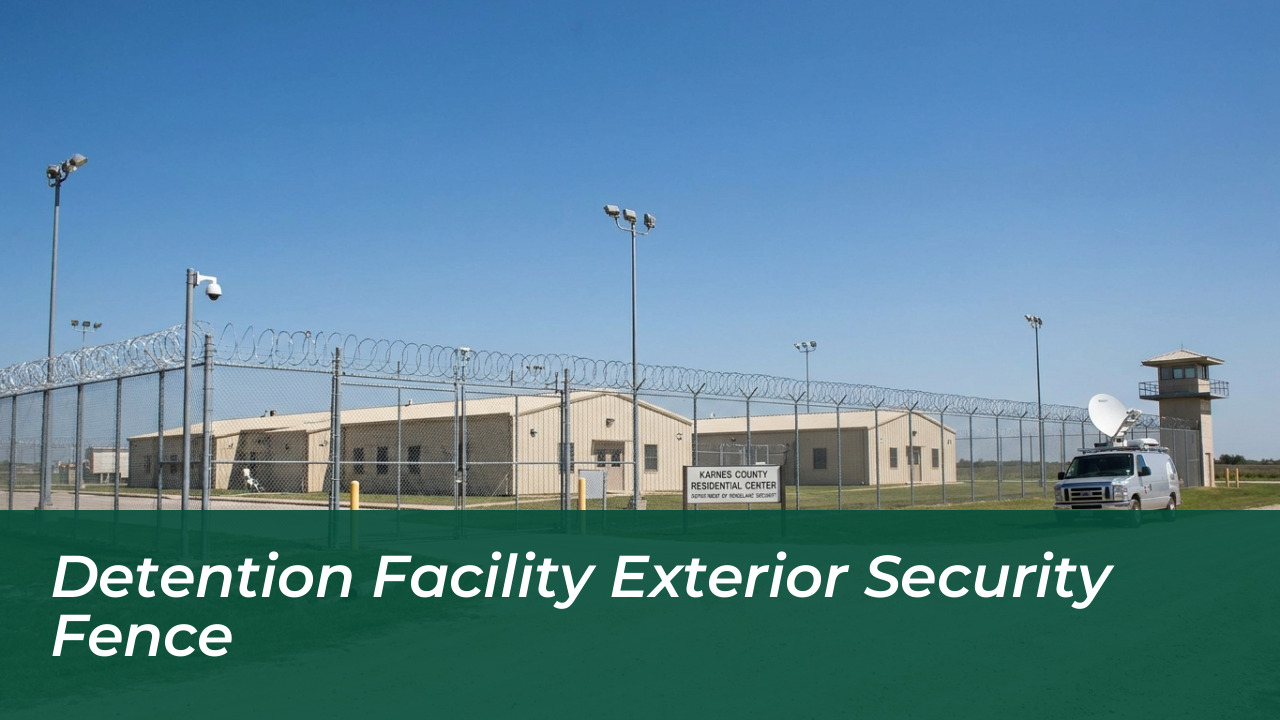
Medical Status and Urgent Surgical Requirements
Details of the Spinal Injury
Medical evaluations performed by independent specialists indicate that a projectile remains dangerously positioned near the spinal column of Garces Perez. This foreign object threatens his neurological health and causes persistent, agonizing discomfort. The sheer proximity of the bullet to the spinal cord makes immediate surgical extraction a clinical necessity rather than an elective procedure.
The physical toll on the young asylum seeker is severe. Garces Perez suffers from intense left-side torso pain and significant bruising across his back. He currently relies on a wheelchair for mobility and wears his left arm in a sling to immobilize his shoulder. Despite these debilitating injuries, federal authorities maintain custody instead of transferring him to a fully equipped medical hospital for specialized surgical care.
Detention Facility Medical Care and Interrogation Concerns
Facility medical staff at the Pearsall center manage the daily cleaning of his entry and exit wounds. However, standard wound care falls drastically short of the specialized surgical intervention ordered by medical specialists. Basic dressing changes fail to address the underlying danger of a bullet lodged near the spine.
Attorneys and civil rights advocates raised serious ethical concerns regarding the initial interrogation sessions conducted shortly after his discharge from the hospital. Federal agents questioned Garces Perez without providing adequate pain management protocols. This aggressive approach compromises patient recovery and raises legal questions regarding coercion and basic human rights in federal detention.
The Traffic Stop and Shooting in North Austin
Sequence of Events on a Sunday Afternoon
The confrontation unfolded on a Sunday afternoon in North Austin while Garces Perez worked to earn a living as a DoorDash delivery driver. An unmarked sport suddenly sideswiped his vehicle twice without warning or visible emergency signals. Lacking any indication that the occupants belonged to law enforcement, the driver experienced severe confusion and fear regarding the intent of the aggressive drivers.
Seeking safety, Garces Perez executed a U-turn underneath a freeway overpass to locate a well-lit, public area where he could pull over without risking his personal security. Delivery drivers frequently utilize well-populated public zones for stops when confronted by unmarked vehicles to deter criminal carjackings or roadside assaults.

The Pursuit and Use of Lethal Force
Law enforcement officers denied his attempt to relocate to a safe, public space. Instead, a federal immigration enforcement officer discharged a firearm directly into the vehicle, striking the driver in the back. Department of Homeland Security defense statements quickly classified the evasive driving maneuver as a federal felony offense, justifying the deployment of lethal force as a response to resistance.
Legal counsel strongly refutes the agency narrative, arguing that fleeing an unidentified unmarked vehicle in a panic does not warrant deadly force. Independent legal experts point out that the absence of clear identification from the agents directly caused the confusion that escalated the traffic stop into a shooting.
Body Camera Policy and Transparency Gaps
The Unactivated Recording Device
Federal disclosures reveal a critical accountability failure during the operation. The primary ICE officer who discharged the weapon was issued an official body-worn camera but failed to activate it during the confrontation. Secondary backing units operated cameras from angles that ultimately failed to capture the exact moment of the lethal force deployment.
This missing footage deprives investigators of objective visual evidence. Agency guidelines grant federal authorities strict control over critical incident footage, restricting public access unless leadership determines release serves specific agency interests. Without unedited body camera footage, public trust in the official narrative continues to erode.
Systemic Compliance Issues in Federal Agencies
The failure to record this high-stakes encounter reflects broader compliance challenges within federal immigration enforcement agencies. While DHS leadership previously pledged that field agents would achieve full equipment integration and active usage, operational failures persist. Accountability gaps undermine oversight efforts and complicate civil rights litigation brought by victims and their families.
Legal Status, Asylum Claims, and Defense Strategies
Entry via CBP One and Administrative Complications
Garces Perez entered the United States legally in 2024 through the official CBP One application platform and immediately filed an asylum application. His paperwork was in progress when an administrative error disrupted his legal standing. Immigration hearing notices were mailed to an incorrect address, resulting in an absentee final order of removal without his knowledge.
Because of this administrative oversight, his employment authorization permit expired in December, leaving him vulnerable to aggressive enforcement actions. Immigration attorneys maintain that the removal order is legally flawed due to the failure of the agency to provide proper notice of court dates.
Emergency Legal Petitions and Court Hearings
Immigration attorneys filed emergency petitions in federal court to halt deportation proceedings and secure his immediate release from the Pearsall facility. These legal maneuvers aim to prioritize his urgent medical needs over administrative removal. A federal judge scheduled a formal appearance hearing in San Antonio to address the legality of the detention and review unfolding civil rights violations.
| Metric Category | Reported Data Points |
|---|---|
| Monthly ICE Arrests (Summer Peaks) | Exceeded 50,000 monthly detentions |
| Fatal Federal Shootings (Year-to-Date) | At least four confirmed deaths during operations |
| Distance from Austin to Pearsall Facility | Approximately 130 miles southwest |
| Scheduled Federal Court Hearing | San Antonio, set for September 30 |
Frequently Asked Questions
Why Does Wilber Rafael Garces Perez Need Surgery?
Medical specialists recommended immediate surgical intervention to safely extract a bullet lodged dangerously close to his spinal column after federal immigration officers shot him during an operation.
What Was the Victim Doing at the Time of the Shooting?
Garces Perez was working as a delivery driver for DoorDash in North Austin when an unmarked vehicle sideswiped his car, leading to a brief pursuit and subsequent shooting.
Did the ICE Officer Use a Body Camera?
Reports confirm that the primary officer involved in the shooting was issued an official body camera but failed to activate it prior to discharging his weapon.
What Is His Current Legal Standing in the United States?
He entered the country legally through the CBP One application platform and filed for asylum, though an administrative error involving mailed notices resulted in an absentee removal order.