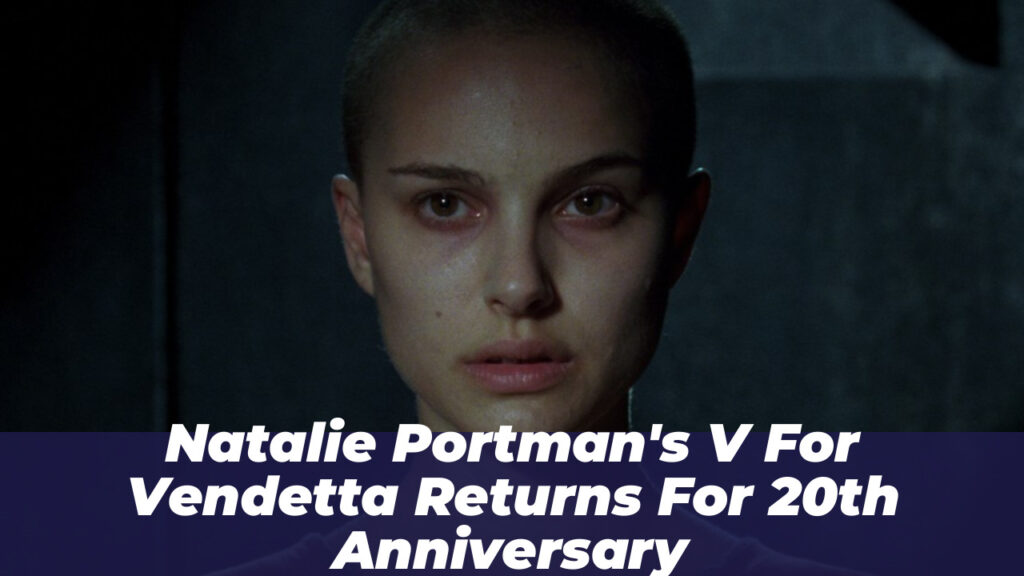
Two decades after its debut, the dystopian thriller V for Vendetta is returning to the big screen for a limited two-day engagement. As modern audiences grapple with debates over surveillance and personal autonomy, the 2006 adaptation of the DC Vertigo graphic novel remains provocative.
The film returns to theaters on November 1 and November 5, 2026. This offers a rare chance to witness the Wachowski-penned script and James McTeigue’s direction in a communal setting.
The Anniversary Re-release
This limited engagement honors the film’s cinematic legacy. By scheduling screenings across two dates, the release targets both weekend crowds and mid-week moviegoers.
The inclusion of a new featurette titled Freedom Forever acts as the primary draw. This content provides a reflective conversation with director James McTeigue, who maintains that the film’s strength lies in its refusal to anchor itself to a single political era.
A Dystopian Vision
When V for Vendetta arrived in 2006, it was met with intense intrigue. While it holds a 73% rating on the Tomatometer, its 90% audience score reveals a deep connection with viewers who resonate with its core message.
The film’s success stems from its avoidance of specific real-world political references. By focusing on the structural mechanics of a totalitarian regime, such as state-controlled media and the erosion of individual rights, McTeigue created a blueprint for oppression that feels applicable two decades later.
The Ensemble Cast
The film is synonymous with Natalie Portman’s transformative performance as Evey Hammond and Hugo Weaving’s commanding, masked presence as V. The supporting cast remains the backbone of the narrative.
John Hurt delivers a chilling performance as the High Chancellor, while Stephen Rea provides grounded humanity as Inspector Finch. Rupert Graves, Roger Allam, and Tim Pigott-Smith round out the ensemble, adding layers of bureaucratic menace that make the stakes feel personal.
Themes in 2026
Discourse surrounding this thriller has shifted from a critique of the mid-2000s geopolitical climate to a broader conversation about digital privacy. The film serves as a cautionary tale about the trade-off between security and freedom.
In an age where data collection and algorithmic influence are part of daily life, the depiction of a state that monitors every citizen hits with more force today than it did in 2006. The upcoming featurette explores how the creative team adapted the dense graphic novel while keeping emotional stakes high for a general audience.