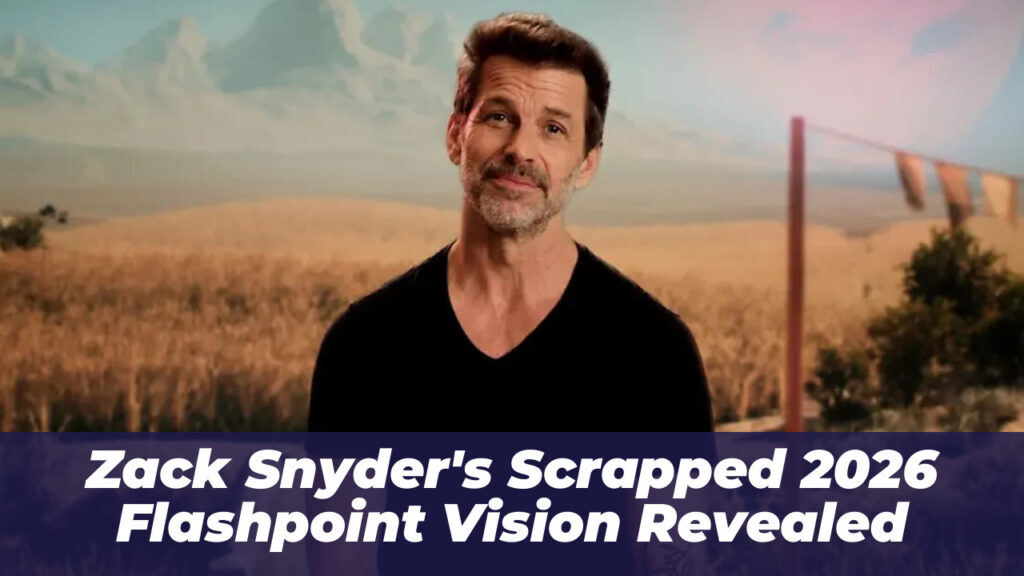
As we navigate the cinematic landscape of 2026, the discourse surrounding the original SnyderVerse roadmap remains a focal point for comic book enthusiasts. While the current DC landscape has evolved significantly, new details regarding Zack Snyder’s scrapped plans for a Flashpoint adaptation have surfaced, revealing a vision far more ambitious than fans initially perceived. This was never intended to be a standalone spectacle; it was the structural keystone for a massive, decade-spanning multiverse reset.
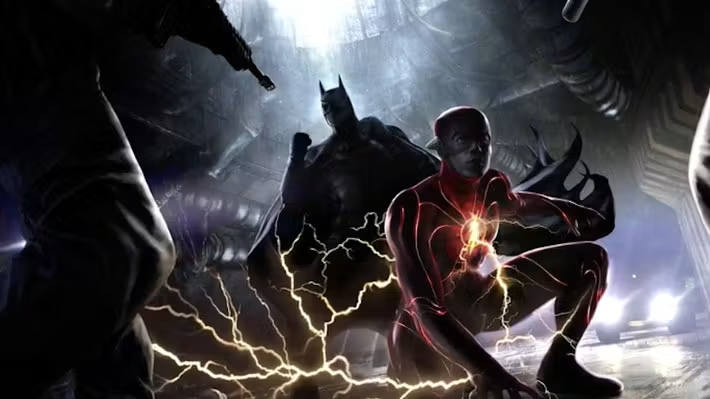
The Narrative Necessity: A Multiverse Reset
In the original 10-year roadmap, Flashpoint was engineered as the ultimate pivot point. Snyder did not view this as a traditional superhero adventure for Barry Allen. Instead, he intended to utilize the ripple effects of time travel to fundamentally restructure the DCEU. By forcing The Flash to confront the consequences of saving his mother, Snyder planned to introduce “time-tinkering” on a cosmic scale. This narrative device was designed to bridge the gap between the Justice League sequels and the long-rumored Cyborg solo feature, serving as a calculated transition into a new era while maintaining the gritty, high-stakes gravity of his established tone.
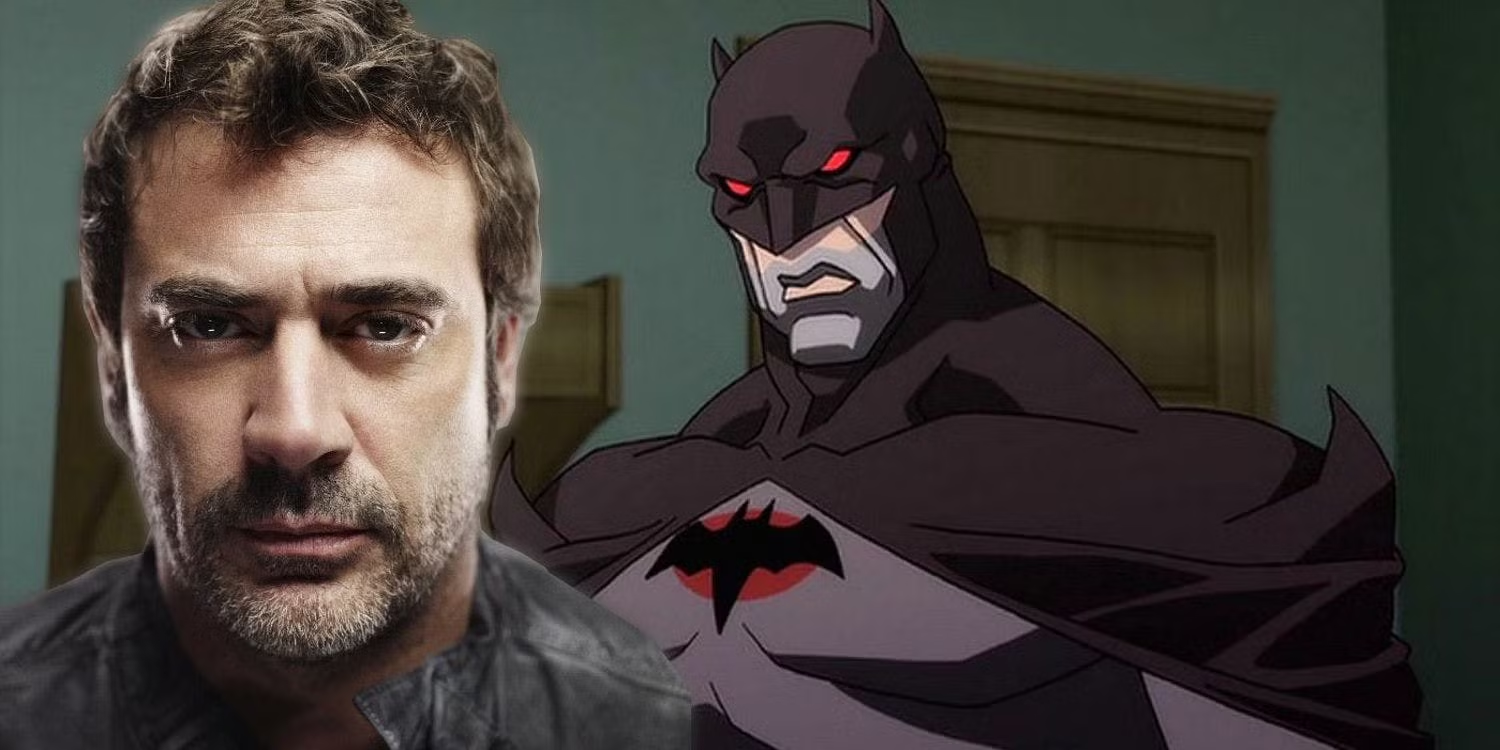
Jeffrey Dean Morgan as the Knight of Vengeance
One of the most persistent “what-ifs” in modern cinema is the casting of Jeffrey Dean Morgan as the Flashpoint version of Batman. In this alternate timeline, where Bruce Wayne dies in Crime Alley, his father, Thomas Wayne, takes up the mantle of the Bat. Morgan’s portrayal was set to offer a darker, more ruthless iteration of the character that would have stood in stark contrast to the heroes established in previous entries. Even in 2026, fans still view this as the “lost performance” of the decade, as the emotional weight of a father seeking vengeance for his son would have perfectly grounded such a complex multiversal narrative.
The SnyderVerse Blueprint: What We Lost
The Flashpoint vision was deeply integrated into a larger, interconnected plan. Beyond the immediate impact on the Justice League, the roadmap included several key pillars that were ultimately left on the cutting room floor:
- The Flash Trilogy: A dedicated arc exploring Barry Allen’s mastery over time and the physical toll of chronokinesis.
- Ben Affleck’s Batman Solo Film: A dark, noir-inspired detective story focusing on the psychological toll of the cowl.
- Justice League 2: The direct continuation of the conflict against the forces of Apokolips and Darkseid.
- Justice League 3: The grand, operatic finale of the 10-year narrative arc, resolving the Anti-Life Equation conflict.
- Cyborg Solo Feature: A deep dive into Victor Stone’s origins, his integration with Mother Box technology, and his evolution into a digital consciousness.
- Deathstroke Origin Film: A high-octane thriller exploring Slade Wilson’s rise as the world’s deadliest mercenary.
- The Atom Feature: A science-fiction heavy exploration of the Microverse and Ryan Choi’s scientific discovery.
- Green Lantern Corps: A space-faring epic expanding the reach of the DC universe to the farthest reaches of the galaxy.
The 2026 Perspective: Why This Still Matters
Today, as we analyze the evolution of blockbuster filmmaking, the scrapped Flashpoint concept serves as a fascinating case study in creative intent. While the industry has seen a rise in innovative digital entertainment trends, the emotional connection fans maintain to the “SnyderVerse” remains incredibly potent. The ambition behind Snyder’s plan was to create a cohesive, high-stakes universe where every action had a permanent, ripple-effect consequence. Whether audiences prefer the current creative direction or the original vision, the “What If” factor surrounding these projects continues to drive engagement across the global fan community, much like the curiosity surrounding new series casting developments in other major superhero franchises.
Specifications Table: The Flashpoint Concept
| Feature | Details |
|---|---|
| Director | Zack Snyder |
| Key Character | Thomas Wayne (Batman) |
| Planned Actor | Jeffrey Dean Morgan |
| Core Concept | Multiverse Reset / Timeline Alteration |
| Primary Goal | Narrative bridge for Justice League 2 & 3 |
Pros and Cons of the Scrapped Vision
Pros
- Emotional Depth: The Thomas Wayne arc offered a unique, tragedy-driven narrative that elevated the stakes of the Batman mythos.
- Strategic Cohesion: Flashpoint would have provided a logical, earned bridge for the entire 10-year roadmap.
- High Stakes: The multiversal threat would have raised the bar for what audiences expect from superhero cinema.
Cons
- Complexity: The narrative density of a multi-film reset might have overwhelmed casual viewers not invested in the lore.
- Production Scale: The budget required for a project of this magnitude was immense, posing a significant financial risk for the studio.
- Studio Alignment: The vision required absolute creative consistency across a decade of releases, which proved difficult to maintain.
Conclusion
Zack Snyder’s vision for Flashpoint remains a testament to the scale of his ambition. While we may never see this version come to fruition, the discourse around these plans proves that the story resonated with audiences on a level few other projects have achieved. In the landscape of 2026, it serves as a reminder that the most compelling cinematic stories are often the ones that dare to challenge the status quo of their own universe.