A routine patrol shift at Freshwater West beach transformed into a high-stakes emergency response requiring rapid intervention across multiple active zones. RNLI lifeguards successfully rescued four individuals, including a father and son trapped in a rip current and a spearfisher pinned underwater by an entanglement. This detailed chronological breakdown of the rescue operation examines the specialized equipment and tactical decisions that prevented multiple fatalities.
- Anatomy of a High-Stakes Coastal Emergency
- Understanding the Hazards of Freshwater West
- The Timeline of September 5
- The Rip Current Extraction Protocol
- Intercepting the Father and Son
- Rip Current Mechanics and Survival Tactics
- Underwater Intervention and the Trapped Spearfisher
- Responding to the Overturned Kayak
- Resolving the Line Entanglement
- The Critical Role of Specialized Rescue Equipment
- Comparative Analysis of Lifeguard Gear
- Supervisory Praise and Seasonal Safety Protocols
- Recognition from RNLI Management
- Essential Coastal Safety and Survival Protocols
- Frequently Asked Questions
- Where did the multi-stage rescue take place?
- How many people were rescued by the RNLI team?
- How was the trapped spearfisher freed from the reef?
- What safety advice does the RNLI provide for beachgoers?
Anatomy of a High-Stakes Coastal Emergency
Understanding the Hazards of Freshwater West
Pembrokeshire, Wales, features a rugged coastline exposed to heavy weather systems originating in the Atlantic Ocean. Freshwater West beach stands out among these locations due to its geographic exposure and bottom topography. Large Atlantic swells consistently drive powerful waves toward the shore, creating dynamic and volatile surf conditions. Unpredictable rip currents form rapidly across the sandy bays, pulling water and unsuspecting swimmers away from the safety of the shallows.
These natural hazards escalate significantly during the final weekend of full-time seasonal patrols. Increased visitor numbers combined with turbulent autumn swells produce a volatile mix. Lifeguards stationed at these high-energy beaches must maintain constant vigilance, as conditions can deteriorate within minutes and trap even experienced water sports enthusiasts.
The Timeline of September 5
The sequence of events on Saturday, September 5, tested the endurance and adaptability of the on-duty RNLI crew. At 1:15 p.m., an emergency alert shattered the afternoon calm when spotters identified a father and son swept seaward by a powerful offshore drift. Lifeguards deployed immediately, pivoting seamlessly between a surface rescue and a secondary submerged crisis.
While the first extraction was underway, spotters tracked an unattended kayak bobbing in heavy coastal chop 200 meters south of the red and yellow flags. This sighting led to the discovery of a spearfisher trapped beneath the surface. Coordination between shore spotters, rescue board operators, and rescue watercraft helms ensured that every victim received prompt medical attention.
The Rip Current Extraction Protocol
Intercepting the Father and Son
Lifeguards Jed and Fin recognized the initial drift toward deep water before the situation turned catastrophic. Fin acted immediately, deploying a rescue board directly into the heavy surf to secure the younger swimmer. Operating a rescue board in breaking waves requires precise timing and upper body strength to punch through white water.
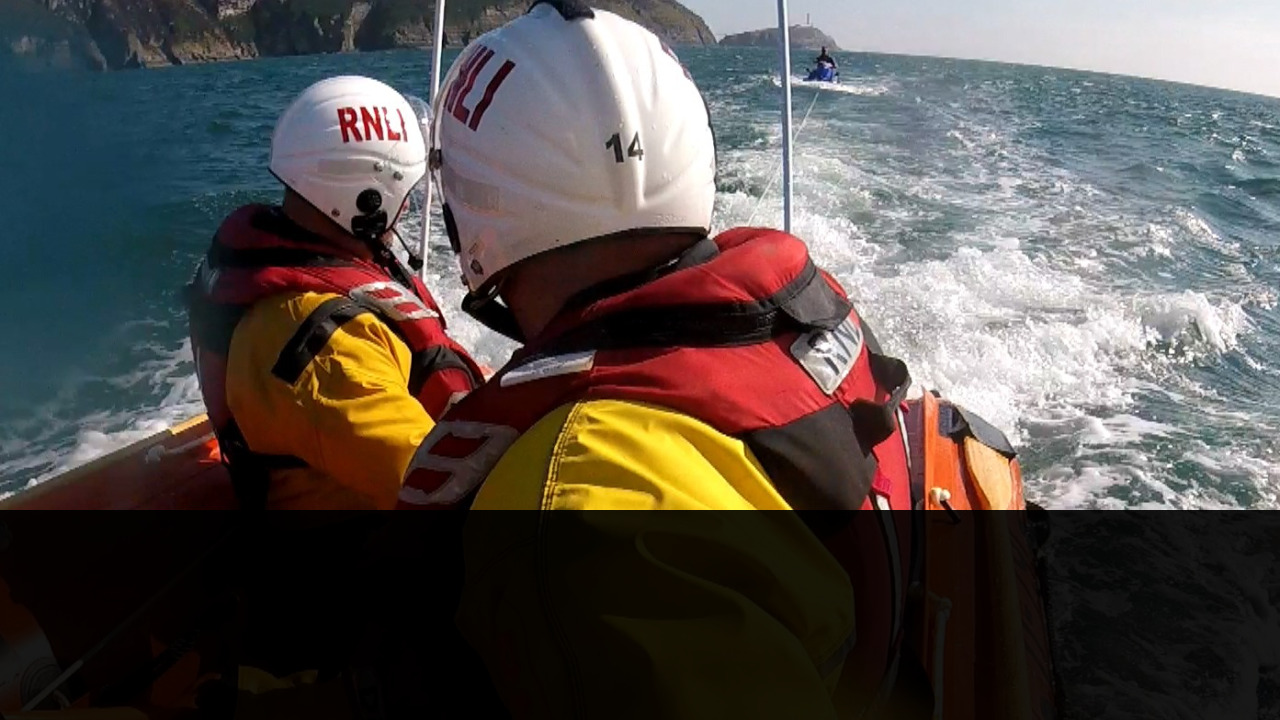
Simultaneously, Senior Beach Lifeguard Oly and off-duty lifeguard Willem launched the rescue watercraft to extract the adult male. Maneuvering the motorized craft through heavy shore breaks demands advanced helm skills. The team reached the exhausted father just as fatigue threatened his ability to stay afloat, securing him safely aboard the vessel.
Rip Current Mechanics and Survival Tactics
Rip currents form when breaking waves push water toward the shore, creating a volume of trapped water that seeks the easiest path back out to sea. These fast-moving narrow channels act like underwater rivers, pulling unsuspecting beachgoers hundreds of meters offshore in seconds. Fighting against this current leads to rapid exhaustion and increases the risk of drowning.
Physiological challenges multiply quickly in heavy surf. Cold water temperatures induce thermal shock and reduce muscle efficiency. Standard coastal survival guidelines dictate that swimmers caught in an offshore drift should swim parallel to the shore until escaping the current, or float calmly to conserve energy until rescue arrives.
Underwater Intervention and the Trapped Spearfisher
Responding to the Overturned Kayak
Immediately following the rip current extraction, Oly navigated the rescue watercraft 200 meters south of the designated swimming zone. An unattended kayak bobbed erratically in the heavy coastal chop. This anomalous sight signaled a potential secondary emergency, prompting the lifeguard to investigate the area immediately.
Upon closing the distance, Oly identified a far more critical situation unfolding beneath the surface. A local spearfisher was caught in a life-threatening underwater predicament. The dynamic surf conditions and submerged hazards had turned a standard diving trip into a desperate struggle for survival.
Resolving the Line Entanglement
The danger stemmed from a spear line snagged firmly on an underlying reef. As incoming waves surged over the reef, the taut cordage wrapped tightly around the victim’s wrist, dragging them downward and preventing them from reaching the surface for air. Every passing second reduced the casualty’s chance of survival.
Oly entered the turbulent water directly from the rescue watercraft to reach the pinned casualty. Utilizing an onboard blunt-ended rescue knife, the senior lifeguard severed the taut cordage cleanly without injuring the victim or puncturing safety gear. He then hauled the exhausted casualty onto the rescue watercraft sled and transported them ashore for emergency medical care.
The Critical Role of Specialized Rescue Equipment
Comparative Analysis of Lifeguard Gear
Modern coastal rescue operations rely heavily on specialized equipment designed for specific marine environments. Traditional paddle boards offer high maneuverability and rapid entry for single-person adolescent pickups in shallow breaks. However, they have clear operational limits when confronted with massive surf and long-distance offshore drift.
Rescue watercraft bridge this gap by providing motorized power, rescue sled attachments, and exceptional stability in heavy swells. These craft carry vital tools such as specialized cutting devices. These instruments prove indispensable when lifeguards encounter submerged netting, fishing lines, or tangled spear cords.
| Equipment Type | Primary Deployment Condition | Operational Advantage |
|---|---|---|
| Rescue Board | Rip currents, shallow breaks, nearshore assists | High maneuverability, rapid entry, excellent for single-person adolescent pickups. |
| Rescue Watercraft (RWC) | Heavy swells, offshore incidents, multi-victim events | Motorized power, rescue sled attachment, ability to carry specialized cutting tools. |
| Blunt-Ended Rescue Knife | Entanglements, fishing lines, netting hazards | Prevents accidental puncture of safety gear or injury to the casualty underwater. |
Supervisory Praise and Seasonal Safety Protocols
Recognition from RNLI Management
Carl Amos, RNLI lifeguard supervisor, commended the team following the incident. He emphasized that the operation highlighted the rigorous training standards required of modern coastal rescue personnel. The ability of the team to pivot from a surface rescue to an underwater entanglement showcased exceptional professionalism under extreme pressure.
The rescue occurred during the final weekend of full-time seasonal lifeguard patrols in Wales. As summer crowds dissipate, local authorities remind the public that unguarded beaches present heightened risks for unauthorized or unattended water activities. Professional presence remains a vital buffer against coastal tragedies.
Essential Coastal Safety and Survival Protocols
Visitors heading to coastal regions must take personal responsibility for marine safety. Understanding local oceanography and emergency self-rescue techniques saves lives when professional help is minutes away.
- Check local conditions, tide times, and surf forecasts before entering the marine environment.
- Remain within designated red and yellow flagged swim zones monitored by professionals.
- Practice the Float to Live technique if caught in an unexpected rip current.
- Never swim alone, and ensure someone on shore can monitor your activities.
- Call 999 or 112 immediately to alert the Coastguard if you spot someone in trouble.
Frequently Asked Questions
Where did the multi-stage rescue take place?
The emergency occurred at Freshwater West beach in Pembrokeshire, Wales, which is well-known for its challenging Atlantic surf and powerful rip currents.
How many people were rescued by the RNLI team?
Lifeguards successfully brought four individuals to safety during the operation: a father, a son, an unidentified kayaker, and a trapped spearfisher.
How was the trapped spearfisher freed from the reef?
Senior Beach Lifeguard Oly entered the water from a rescue watercraft and used a specialized blunt-ended knife to cut through a spear line that had wrapped around the victim’s wrist and snagged on an underwater reef.
What safety advice does the RNLI provide for beachgoers?
Visitors should check local conditions, swim only near lifeguarded flags, avoid swimming alone, and use the Float to Live method if they encounter trouble in open water.