Meta CEO Mark Zuckerberg revealed a new hardware category during the Meta Connect keynote on September 23, 2026. The device, called the Meta Muse Charm, functions as a dedicated handheld gadget for the company proprietary Muse artificial intelligence network. By blending portable form factors with advanced conversational models, this release establishes a fresh benchmark for ambient personal technology.
- Hardware Architecture and Form Factor
- Integration With the Muse AI Agent Network
- Muse Secure VM Architecture
- Muse Spark Foundational Model
- Cross-Platform Interaction Models
- Security, Privacy, and Financial Transactions
- Muse Confidential VM
- Financial Transactions and Integration
- Market Positioning and Production Outlook
- Frequently Asked Questions
- What is the Meta Muse Charm?
- How do you activate the Muse Charm?
- What foundational model powers the device?
- When will the Muse Charm be available?
Resembling a modern, interactive take on classic virtual pets, the compact device measures small enough to fit on a standard keychain. It features an integrated visual display and houses a full real-time voice and avatar software stack. Zuckerberg demonstrated the unit live on stage, positioning it as an immediate bridge between ambient computing and portable hardware.
Hardware Architecture and Form Factor
The engineering behind the Meta Muse Charm focuses on reducing latency and eliminating friction in human-computer interaction. Instead of requiring users to unlock a smartphone, launch an application, or don facial hardware, the keychain device remains instantly accessible for everyday queries and automated background tasks.
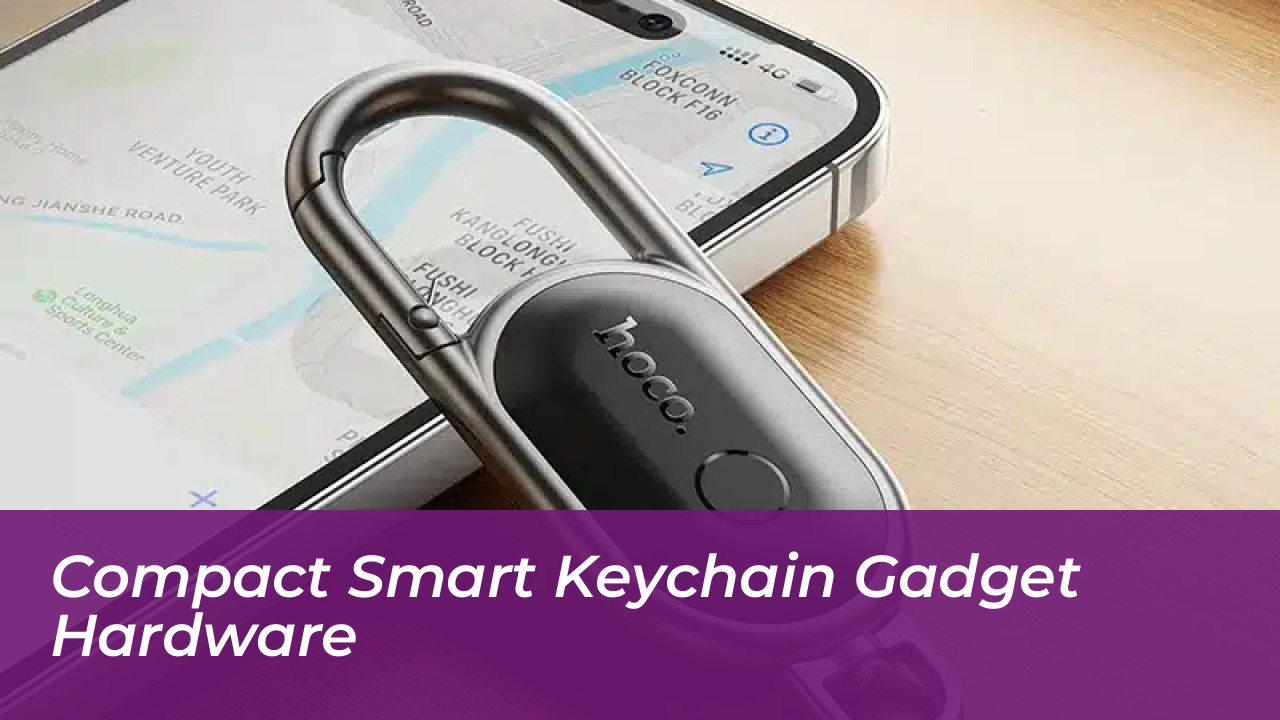
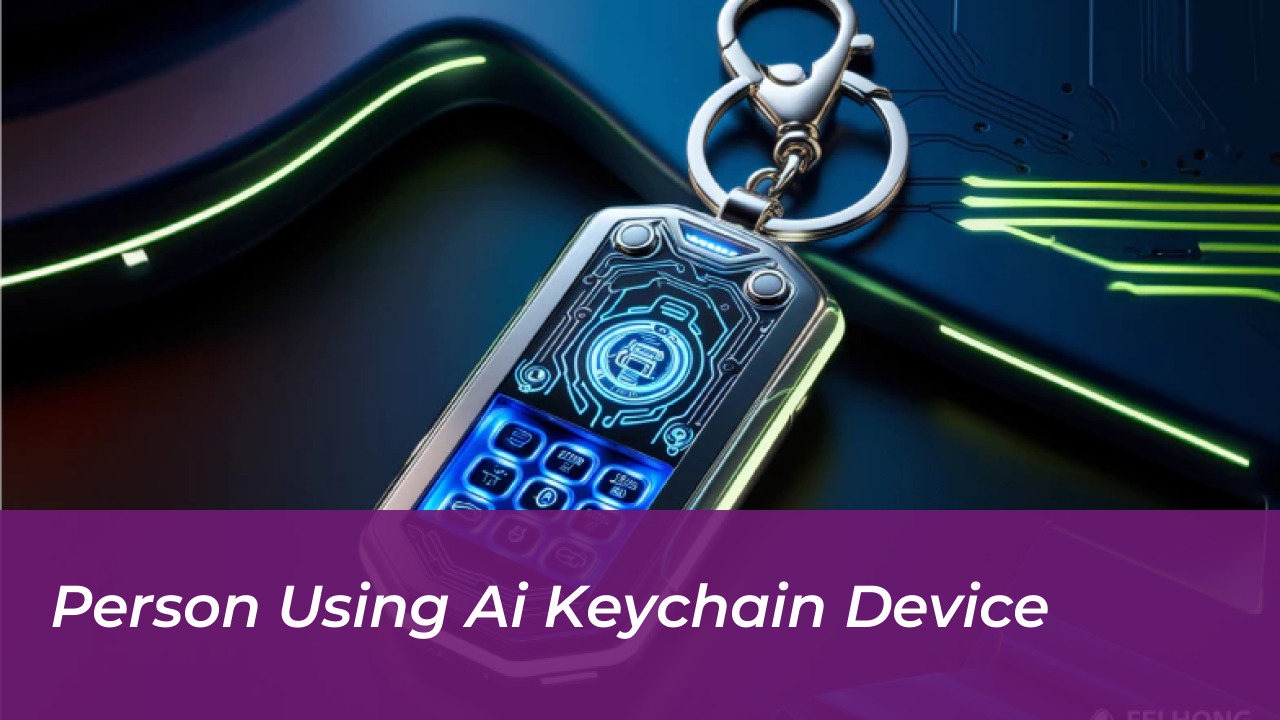
A biometric fingerprint sensor sits on the corner of the chassis. Users tap this sensor to awaken the artificial intelligence and begin speaking immediately. The front-facing screen displays a small, animated avatar that provides visual feedback during conversations. Meta built the device to handle real-time voice processing locally or via secure cloud links, ensuring fluid conversational pacing.
During the keynote demonstration, Zuckerberg gave his personal Muse the name Agrippa. The prototype hardware used on stage represented an early build, as Meta continues refining finishing materials and component layouts ahead of a planned holiday release window. Internal tests show remarkable battery efficiency during active voice sessions.
Engineers utilized custom silicon to manage thermal output inside the tiny shell. This prevents overheating during prolonged voice queries or complex background reasoning routines. Users can clip the lightweight device to backpacks, belt loops, or standard keys without feeling any noticeable weight burden during daily movement.
Integration With the Muse AI Agent Network
Hardware is only one component of the broader release strategy. The Meta Muse Charm operates as a physical node for the overarching Muse artificial intelligence agent, which Meta introduced on September 8, 2026. This setup unifies multiple consumer touchpoints into a single cohesive conversational intelligence platform.
The agent runs on a dedicated virtual architecture known as Muse Secure VM, an environment designed to isolate user data from external interference. Meanwhile, the system relies on Muse Spark, which serves as the most capable foundational model in the Meta portfolio.
Muse Secure VM Architecture
Data isolation remains a vital priority for the platform. The Muse Secure VM ensures that individual conversational streams and personal preferences remain protected within a sandboxed virtual environment, preventing cross contamination of user profiles.
This virtual machine design allows the hardware to execute complex background requests safely without exposing raw system memory to potential network vulnerabilities. Security researchers audited the codebase prior to the public unveiling.
Muse Spark Foundational Model
Powering the experience is Muse Spark, an advanced foundational model built specifically for low-latency multimodal reasoning. It handles rapid context switching, complex conversational threads, and multi-turn memory without missing a beat.
This foundational architecture enables the avatar on your keychain to respond with human-like timing and contextual awareness. Developers optimized the model parameters to run efficiently across low-power edge devices.
Cross-Platform Interaction Models
- Keychain Device: Offers rapid voice access for users who prefer not to wear smart glasses or carry larger devices.
- Mobile and Web: Operates natively inside iOS, Android, and the web platform via muse.ai, with messaging integration similar to WhatsApp.
- Smart Glasses: Upgrades existing wearable interfaces with multi-turn conversational memory, advanced voice customization, and background task execution.
- Virtual Reality Hardware: Integrates directly into the operating system of new VR headsets to replace traditional menu navigation with multimodal inputs.
Security, Privacy, and Financial Transactions
As personal artificial intelligence agents take on autonomous tasks, security architecture remains a primary consideration for enterprise and consumer adoption. Meta designed the infrastructure with strict data boundaries to protect sensitive personal workflows.
Muse Confidential VM
Later in 2026, the company plans to roll out Muse Confidential VM. This system encrypts the entire virtual machine using encryption keys held exclusively by the end user, blocking unauthorized access even from Meta itself.
By keeping encryption keys out of centralized server storage, users retain absolute ownership over their personal intelligence data and conversational history. This zero-trust model sets a new standard for consumer electronics.
Financial Transactions and Integration
The agent handles complex real-world workflows, such as checking calendars, scheduling meetings, drafting emails, and coordinating with design studios. For financial transactions, the platform integrates Stripe technology.
Link by Stripe generates a one-time-use virtual card for agent-driven purchases. This mechanism hides real credit card details from merchants and external systems. Support for Shop Pay and 1Password integration will follow in subsequent software updates.
Market Positioning and Production Outlook
Meta aims to capture holiday shoppers by pushing the Meta Muse Charm into production rapidly. While the device debuted as a functional prototype with limited unit availability, the company intends to finalize manufacturing specifications soon.
By pairing standalone ambient hardware with deeply integrated personal agents, Meta challenges existing wearable paradigms dominated by smartphones and standard smartwatches. Consumers now have a viable alternative that prioritizes instant access and pocket-sized convenience.
Retail pricing details remain unconfirmed, but industry analysts anticipate a competitive entry point designed to drive mass adoption. Supply chain partners are currently ramping up component manufacturing across several global facilities.
Frequently Asked Questions
What is the Meta Muse Charm?
The Meta Muse Charm is a compact, Tamagotchi-inspired keychain device equipped with an interactive screen and biometric sensor. It houses Meta real-time voice and avatar AI stack for hands-free conversations.
How do you activate the Muse Charm?
Users activate the device by pressing a fingerprint sensor located on the corner of the hardware, allowing instant voice communication without unlocking a phone.
What foundational model powers the device?
The hardware connects to the Muse AI agent, which runs on Muse Spark and operates within a secure virtual machine environment called Muse Secure VM.
When will the Muse Charm be available?
Mark Zuckerberg announced during the September 2026 Connect event that Meta plans to ship the device in time for the holiday season.